Custom Wood Finishes: Perfect Your Heirloom Furniture

A lot of shoppers reach the same point at the dining table display. They love the shape, they like the chair style, they can already picture family dinners around it, then they stop at the finish samples and hesitate. Warm brown or lighter natural tone. Smooth satin or lower-sheen look. Clean and refined, or gently distressed so the piece feels like it has already belonged in the home for years.
That hesitation makes sense. A solid wood table, bed, or sideboard isn't a casual purchase. It's a piece people expect to live with for a long time, and the finish affects far more than color. It changes how the wood feels under the hand, how it handles moisture and wear, how much upkeep it asks for, and how well it fits daily life in Ann Arbor and across Southeast Michigan.
For families who have been shopping local since 1957, that's where good guidance matters. The best custom wood finishes don't just match a wall color or flooring sample. They match the rhythm of the household. In-stock is often only the starting point. The true opportunity is creating a bespoke, made-to-order piece that looks right, wears well, and still feels like a smart investment years from now.
Table of Contents
- Beyond the Showroom Floor An Introduction
- The Canvas How Wood Species Affects Your Finish
- Decoding Your Finish Options From Stains to Distressing
- Matching a Finish to Your Lifestyle and Home
- The Tyner Bespoke Process Crafting Your Vision
- Protecting Your Investment Long-Term Care and Repair
- Your Next Step Toward Heirloom Quality
Beyond the Showroom Floor An Introduction
A familiar scene plays out in the South State St. showroom. A couple finds a solid cherry dining table with the right scale and the right weight. They run a hand across the top, admire the grain, and then the finish board comes out. Suddenly the easy part is over.
One stain makes the grain feel deeper and richer. Another keeps the look lighter and more Scandinavian. A distressed edge adds age and softness. A cleaner finish feels more refined. None of those choices are wrong. They just suit different homes, different light, and different habits.
Practical rule: The right finish is the one that still makes sense after the first holiday meal, the first spilled drink, and the first year of everyday use.
That's why custom wood finishes are worth slowing down for. They're not a decorative extra added at the end. They're part of the piece's identity. On hand-crafted, solid wood furniture, the finish works with the character of the material itself. On mass-produced furniture, the surface often does most of the visual work because the underlying construction has less depth and integrity.
For many households, furniture shopping can feel crowded with decisions. Bedroom storage, dining seating, a home office desk, a recliner that fits the body properly, even outdoor spaces that need to hold up through changing weather. The helpful part is this. Shoppers don't have to settle for what happens to be sitting on the floor that day.
The strongest value often comes from moving beyond “good enough” and toward a made-to-order solution. That might mean a Canadel dining set with a more precise finish and edge profile. It might mean pairing a hand-crafted Amish bedroom piece with the right wood species from the start. It might even mean coordinating wood tones with fabrics or the buttery feel of top-grain leather on nearby seating, including ergonomic options from Stressless. Customization isn't complication when it's handled well. It's how a room starts to feel intentional, sustainable, and built for the long haul.
The Canvas How Wood Species Affects Your Finish
The finish gets most of the attention, but wood species makes the first decision for the room. Stain and sheen never land on a blank slate. They land on a living material with its own color, grain pattern, and density.
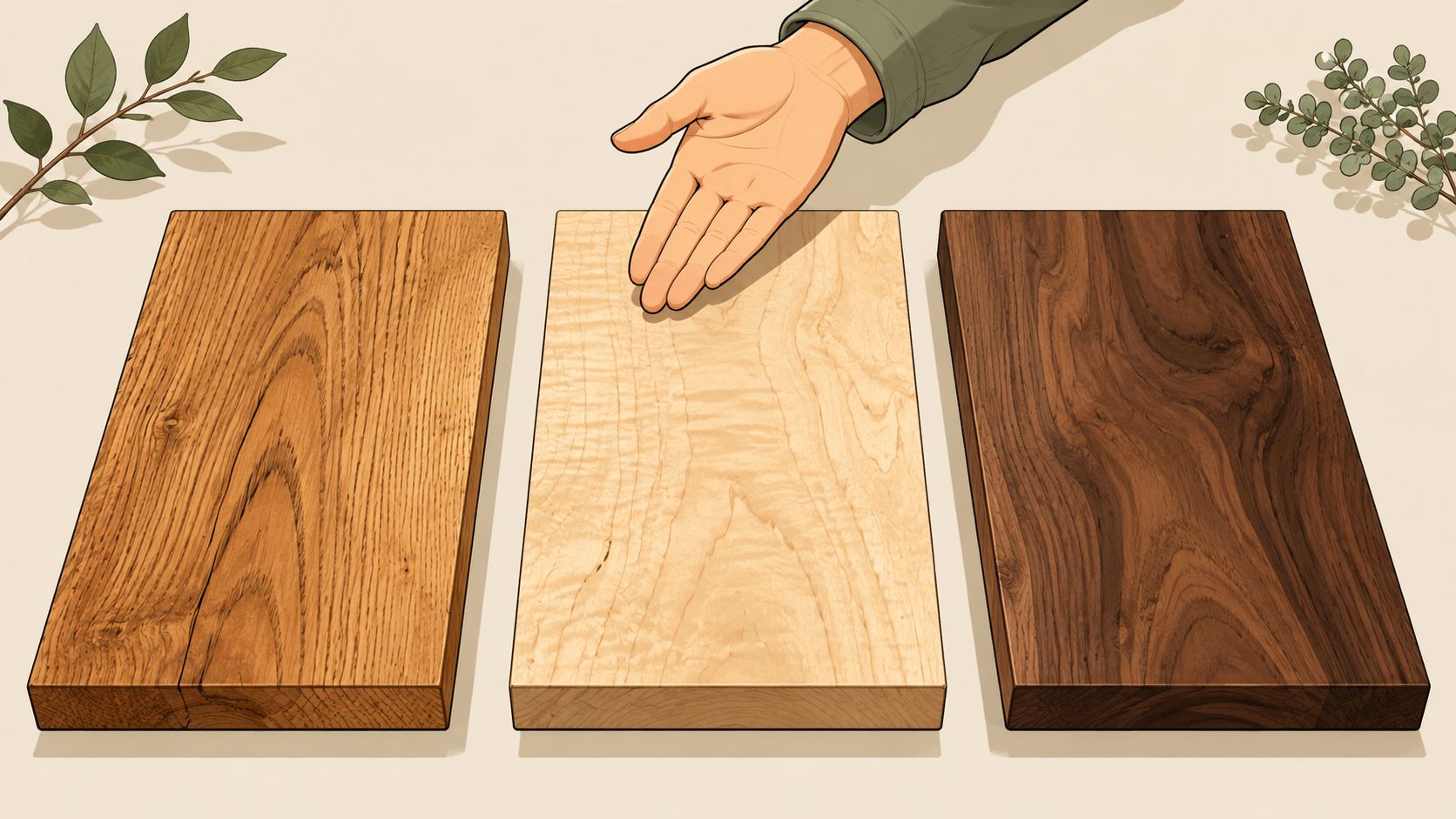
Why cherry, oak, and maple never take stain the same way
Cherry has warmth built into it. Even before a stain goes on, it carries reddish and amber undertones that can make a dining room feel settled and elegant. In a solid cherry table, the finish usually deepens what's already there instead of fighting to create character.
Oak behaves differently. Its grain is bolder and more visible, which means the finish often looks more dramatic. A medium stain on oak can read textured, architectural, and classic. People who want to see the wood clearly tend to respond to oak because it doesn't hide what it is.
Maple is smoother and more restrained. It offers a cleaner, more uniform appearance that works well in contemporary interiors, but that same subtle grain means the finish can look quieter and more controlled. In a bedroom, that can be a real advantage if the goal is calm rather than visual texture.
A finish sample only tells part of the story. The species underneath decides whether that same color will look deep, striped, soft, or almost velvety.
For shoppers comparing hardwoods, this guide to top woods for kitchen cabinets is useful because it shows how species choice changes both appearance and practicality in daily-use spaces.
What to notice before choosing color
The first thing to look for is grain visibility. According to the Canadian Wood Council's guidance on finish selection, selection of the correct finish type (opaque vs. semi-transparent) determines the visibility of natural wood features; opaque coatings completely hide surface texture to block sunlight damage, while semi-transparent stains allow grain to show while offering variable moisture protection. That distinction matters even indoors when the goal is either to celebrate the wood or create a more uniform, specified surface.
A shopper choosing a solid wood dining set should also pay attention to undertone. Brown isn't just brown. On cherry, it can read warm and glowing. On oak, it can pull earthy and pronounced. On maple, it may appear cleaner and more muted.
A helpful next read is this overview on choosing the right hardwood for longevity and style. It gives the wood itself the attention it deserves before finish decisions even begin.
For bedroom and dining furniture, the distinction between hand-crafted Amish construction and mass veneer pieces becomes evident. Real joinery, real board variation, and the weight of solid wood create a canvas worth finishing well.
Decoding Your Finish Options From Stains to Distressing
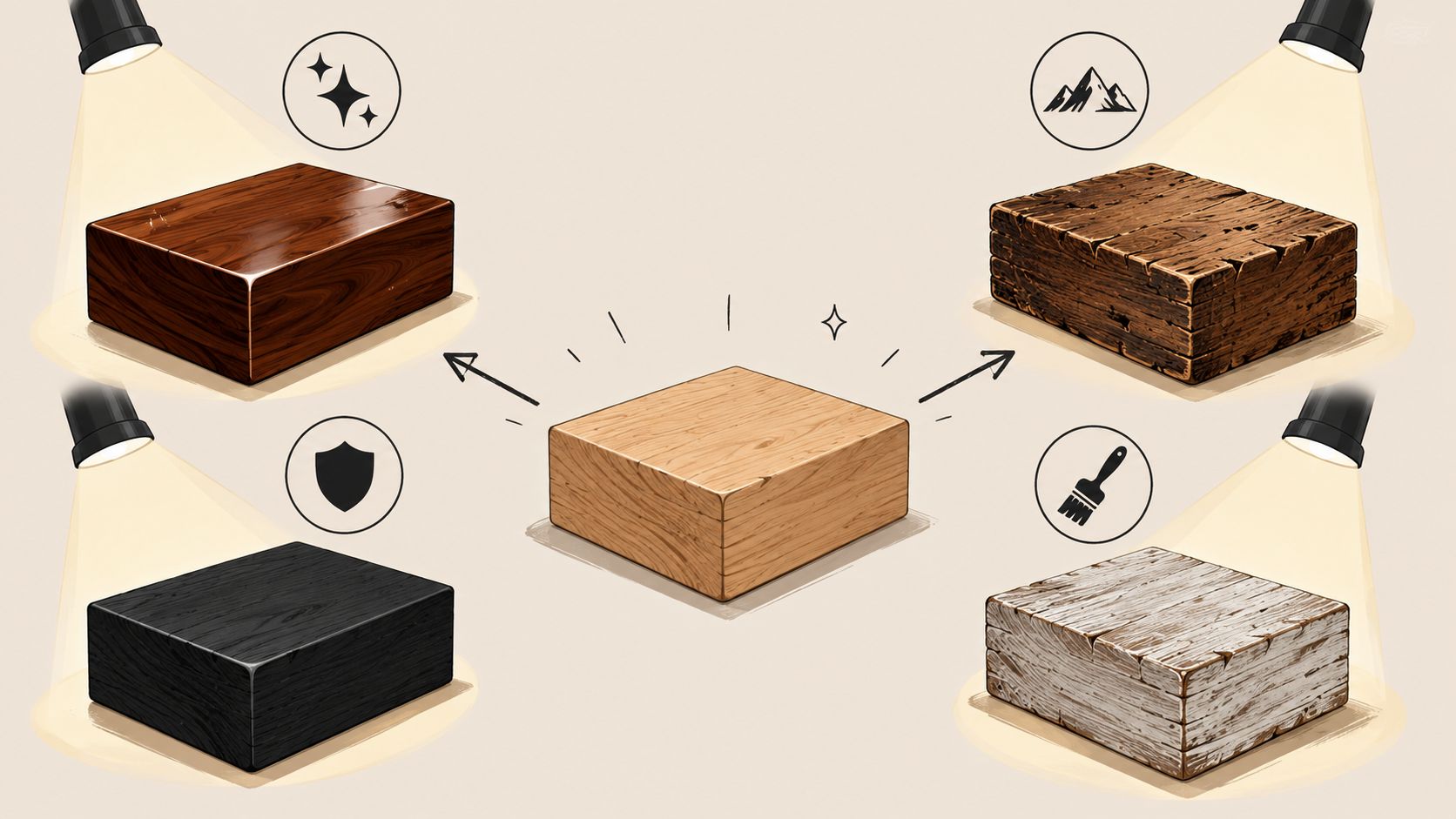
Finish language can sound more complicated than it really is. Most choices fall into a few practical families, and each family changes three things: how the wood looks, how the surface feels, and how much protection sits between the wood and daily life.
Penetrating finishes and film-forming finishes
A simple way to think about it is this. Penetrating finishes soak into the wood. Film-forming finishes sit over it.
Penetrating oil finishes tend to preserve that direct, in-the-wood feeling people love on heirloom pieces. The grain feels present. The surface doesn't usually have that heavier coated look. They're especially appealing when the point is to feel the material, not just see it.
Film-forming finishes behave more like a protective shell. Lacquer, polyurethane, varnish, and epoxy all fall into that general category, though with different performance and appearance. They add separation between hand and wood, but that trade-off often buys more protection.
The prep work matters, especially with oils. According to Tip Top Furniture's explanation of progressive sanding, expert woodworkers perform progressive sanding from 120 to 220 grit to enhance the infiltration of penetrating oil finishes into wood pores by approximately 25%, creating a stronger bond and a tactile experience that highlights the natural grain. That's one reason a properly finished hand-crafted piece feels different from furniture that simply looks stained on the surface.
For shoppers trying to understand how sheen changes the final impression, this Newline Painting's guide to paint sheens is a helpful visual companion. The material is different, but the core idea carries over. More sheen reflects more light, and that changes how texture and color are perceived.
A practical look at the main finish families
Stains
- What they do: Add color while allowing more or less of the grain to remain visible.
- Where they shine: Dining tables, bedroom suites, and case pieces where matching existing interior design matters.
- Trade-off: Stain alone isn't usually the whole protection story. It's often part of a larger finish system.
Oils
- Best feature: Natural feel. They let the hand sense the wood instead of a heavy film.
- Good fit: Accent pieces, heirloom furniture, and households that appreciate a more organic appearance.
- Trade-off: They ask more from the owner over time, especially in active rooms.
Lacquer and polyurethane
- Best feature: Smoother barrier protection and a more controlled final look.
- Good fit: Dining and bedroom pieces that need regular cleaning and dependable wear resistance.
- Trade-off: Damage can be harder to blend invisibly than with an oil finish.
Distressing and specialty effects
- What they change: Not just color, but personality. Distressing can soften a formal silhouette and make a new piece feel more relaxed.
- Good fit: Farmhouse, transitional, and collected interiors where perfection would look too stiff.
- Trade-off: The effect has to suit the architecture and mood of the room, or it can feel forced.
The wrong finish isn't always ugly. Sometimes it's simply mismatched to how the piece will be used.
For readers comparing specific stain directions, this look at how to match wood stains can make sample boards easier to read.
A final note on tougher finishes. Epoxy resin is described as a highly durable option that's “bomb-proof” for heavy-use restaurant and conference tables in this video reference on durable wood finishes. That doesn't make it the right answer for every dining room, but it's a useful reminder that durability and natural feel often move in opposite directions.
Matching a Finish to Your Lifestyle and Home
The best custom wood finishes are chosen with honest answers, not just good taste. A finish that looks perfect under showroom lighting can become frustrating if it demands more care than the household is willing to give.
The questions that prevent regret
Start with use. Is this table a showpiece that comes out for holidays, or is it where homework, takeout containers, coffee mugs, and laptop cords land every day? A decorative console and a family dining table don't need the same finish personality.
Then look at location. Kitchens, breakfast nooks, and sunny dining spaces place more stress on wood than a quieter guest room does. Moisture, heat, and repeated wiping all affect the finish.
The third question is the one many buyers skip. How much maintenance tolerance does the household really have? That point is frequently underestimated. According to Bespoke Finish's article on custom finishing decisions, 65% of buyers underestimate the upkeep needs for natural-looking penetrating finishes, which often leads to premature wear from dirt, moisture, or UV exposure.
Pro-Tip durability has a daily-life spectrum
Pro-Tip: Choose the finish for the life the piece will live, not the life people wish they had time to maintain.
A practical self-check helps:
- Busy family table: Lean toward a more protective finish that can handle frequent cleaning and repeated contact.
- Low-use accent cabinet: A more natural, character-rich finish may be worth the added care.
- Heat and moisture exposure: Protection matters more than the romance of a rawer feel.
- Owners who enjoy upkeep: Oils and softer-looking finishes can be satisfying if regular care won't be ignored.
There's also a value question behind all this. Cost-per-year matters more than ticket price when furniture is meant to stay. A finish that lasts well in the intended room usually costs less in frustration, refinishing, and replacement over time.
For households choosing a table that will carry the weight of daily meals and special occasions, this collection of custom solid wood dining tables helps connect finish decisions to actual use cases. That's where lifestyle and craftsmanship meet.
The Tyner Bespoke Process Crafting Your Vision
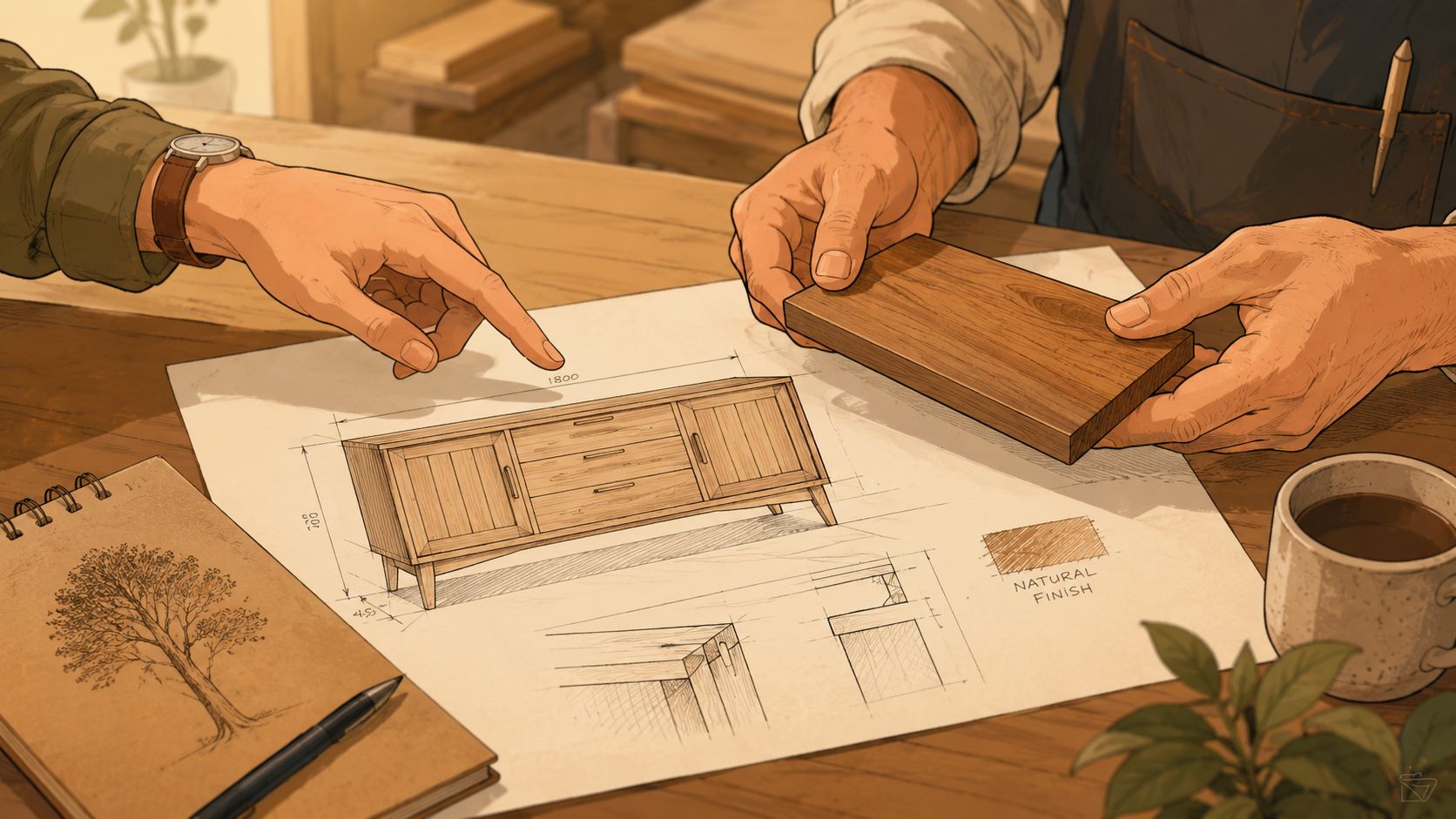
The made-to-order process feels manageable once the conversation starts with the room instead of the sample board. The better approach is to begin with the piece's job. Dining surface. Bedroom storage. Home office desk. Then move to wood species, then finish, then the finer details that shape the personality of the room.
How a made-to-order decision gets simpler
The strongest custom projects don't start with endless options. They start with a few grounded choices.
- Choose the wood first: Cherry, oak, and maple each tell the finish what it can become.
- Set the room's tone: Formal, relaxed, rustic, custom, or somewhere in between.
- Match the maintenance level: The right finish has to suit real habits.
- Coordinate the whole space: Wood finish, fabric, leather, and layout should support each other.
Programs built around customization become especially useful. Canadel gives shoppers a wide range of dining combinations, including finish direction and distressing options. Stressless approaches customization from a different angle, with ergonomic sizing and comfort fit that support the body more precisely. In-stock is still valuable, but it's only the beginning when the room needs a closer fit.
For solid wood buyers, custom Amish furniture is one path that connects hand-crafted joinery, North American hardwoods, and made-to-order finishing in a single process.
Why customization has become the new normal
This shift toward personalization isn't just anecdotal. The custom furniture market outlook from Coherent Market Insights projects the global custom furniture market at USD 38.78 billion in 2026 and USD 66.49 billion by 2033, with 62% of consumers preferring personalized designs over standard options. That lines up with what many shoppers already feel when they walk a showroom floor. They don't want to settle for almost right.
Tyner Furniture offers that process in Ann Arbor with options that reach beyond dining and bedroom into living room seating, home office pieces, mattresses, entertainment furniture, and outdoor spaces. For buyers planning a larger project, Special Financing and the Low Price Promise can make a hand-crafted, bespoke choice easier to fit into a real household budget without reducing the focus on durability and long-term value.
Protecting Your Investment Long-Term Care and Repair
A good finish doesn't end the conversation. It changes the care routine. The piece still needs habits that respect the material, especially if it's expected to stay in the family for years.
Simple care habits that protect the finish
Daily care should be boring and consistent. Dust with a soft cloth. Wipe spills promptly. Don't leave standing moisture under glasses, planters, or serving pieces. Avoid treating every wood surface the same, because an oiled finish and a heavier protective topcoat don't respond the same way.
The build quality underneath the visible finish matters too. According to WoodWorks guidance on architectural finishes, applying a protective undercoat to all six sides of a wood component is an industry standard that limits moisture absorption by up to 40% and maximizes the performance of subsequent finish coats, preventing cracking, peeling, or blistering. That's one reason well-made furniture tends to age more gracefully. Protection isn't only what people see from the top.
Keep wood furniture away from repeated wet exposure and trapped humidity. Most finish failures begin with moisture stress long before they become visible damage.
For broader prevention habits, this guide to protecting wood furniture from scratches and stains gives a practical maintenance baseline.
If water damage is ever part of the concern, especially after a household leak, this essential guide for Phoenix homeowners is useful for understanding how water moves through materials and why quick response matters.
What can be touched up and what needs a pro
Oil finishes are often more forgiving for small spot repairs. A worn patch or minor surface issue can sometimes be refreshed without redoing the entire piece. That repairability is part of their charm.
Film-forming finishes are different. They protect well, but scratches that break the surface can require more careful blending. If the damage is deep or sits in a highly visible area like the center of a dining top, professional repair is often the cleaner path.
The key is to treat furniture like an investment, not a disposable object. Heirloom pieces reward that mindset.
Your Next Step Toward Heirloom Quality
A custom finish works best when three things line up. The wood species has to suit the look. The finish type has to suit the use. The maintenance level has to suit the people living with it. When those pieces fit together, the furniture doesn't just look good in the room. It stays satisfying to own.
That's the part many shoppers appreciate once the process becomes clearer. Custom wood finishes aren't about adding complexity for its own sake. They're about creating a hand-crafted piece that feels right in the hand, looks right in the light, and performs well through ordinary life. That's true whether the project is a dining table, bedroom suite, home office desk, entertainment piece, or furniture for outdoor spaces.
There's also a deeper kind of value in choosing carefully. Solid wood, made-to-order furniture asks for more thought upfront, but it often delivers better cost-per-year, stronger repair potential, and a more sustainable relationship with the home. The weight of solid cherry wood, the visible grain of oak, the smoother quiet of maple, those things don't go out of style because they were never just style to begin with. They were material integrity.
Since 1957, Southeast Michigan families have relied on local guidance when they wanted furniture to last longer than a trend cycle. That's still the right approach today. A shopper doesn't need to know every finish term before walking in. It helps more to know how the piece will live, how much upkeep feels realistic, and what kind of room is being built.
Visit Tyner Furniture in Ann Arbor on South State St. for a sit test, a closer look at solid wood grain and finish samples, or browse the online Quick Specs for special orders if a made-to-order piece is the better fit.