Latex Mattress Benefits You Need to Know for Better Sleep


A lot of mattress shoppers in Ann Arbor and across Southeast Michigan are in the same spot right now. They've read page after page of reviews, compared foam to springs to hybrids, and still don't feel any closer to a confident decision. One mattress promises cloud-like softness. Another promises orthopedic support. A third claims to sleep cool, last forever, and solve every ache by morning.
That kind of research spiral wears people out before they even get to the store.
A latex mattress often stands apart because it answers the questions that matter most in plain terms. How does it feel night after night. Will it stay supportive. Is it cleaner for sensitive sleepers. Does the higher upfront price make sense over time. For households building a forever home, furnishing a guest suite, or upgrading a primary bedroom with the same care they'd bring to hand-crafted dining, home office, or even outdoor spaces, those questions matter more than flashy claims.
The local shopping experience matters too. A mattress is tactile. It's like the weight of solid cherry wood in a hand-crafted bedroom set or the buttery feel of top-grain leather in a recliner. Shoppers need to feel the difference, not just read about it. For broader sleep habits beyond the mattress itself, this Wesley Chapel guide to natural rest offers useful ideas on creating better nightly routines, and this mattress shopping guide helps clarify what to test before buying.
A trusted local legacy helps cut through the noise. Since 1957, Tyner has served Southeast Michigan with a neighborly, educational approach that treats furniture as a long-term investment, not a temporary fix. That same mindset applies to sleep.
Table of Contents
- An End to Restless Nights and Overwhelming Research
- Understanding What Makes a Latex Mattress Unique
- The Health Benefits of a Natural Latex Mattress
- An Investment in Durability The Long-Term Value
- How Latex Compares to Other Mattress Types
- Find Your Perfect Sleep at Tyner Furniture in Ann Arbor
- Caring for Your Heirloom Mattress to Ensure Decades of Comfort
An End to Restless Nights and Overwhelming Research
Most restless-night stories don't start at bedtime. They start weeks earlier, with a laptop open, too many tabs, and a growing suspicion that every mattress description sounds the same.
One model says “pressure relief.” Another says “responsive comfort.” Another says “luxury support.” Shoppers trying to sort through those terms often end up comparing marketing language instead of materials. That's where latex begins to make sense. It isn't just another comfort layer. It's a distinct material with a distinct feel, and understanding that difference helps people shop with far more confidence.
For many households, the goal isn't finding the trendiest mattress. It's finding something that supports sleep, fits the body well, and holds up long enough to justify the investment. That's especially important in a market where plenty of products are built for short replacement cycles, while better-made options are built more like heirloom pieces.
Why shoppers get stuck
A mattress is one of the few furniture purchases people use every single day, yet it's one of the hardest to judge online. Photos don't show support. Product names don't explain feel. Even firmness labels can confuse people because one company's “medium” may feel very different from another's.
A good mattress decision gets easier when the shopper stops asking, “Which ad sounds best?” and starts asking, “Which material behaves the way the body needs it to?”
Latex earns attention because it speaks to practical concerns.
- Support that feels active: It doesn't create the deep, swallowed sensation some sleepers dislike.
- A focus on long-term value: It's often considered by shoppers who care about durability and cost-per-year.
- A cleaner sleep environment: Many people start looking at latex when allergies, overheating, or back discomfort push them to replace an older bed.
A more grounded way to shop
In a long-standing local showroom environment, the best guidance usually sounds less like a pitch and more like education. That's been part of the Tyner approach since 1957. The same place that helps shoppers customize Canadel dining, explore Stressless ergonomic sizing, and choose hand-crafted solid wood with lasting joinery can also help them slow down and judge a mattress by comfort, construction, and value instead of hype.
That matters in Ann Arbor, where many shoppers want furniture and sleep products that feel intentional, sustainable, and made to last.
Understanding What Makes a Latex Mattress Unique
A lot of mattress confusion starts with one simple mistake. Shoppers hear the word “foam” and assume latex will feel like every other foam bed they have tried. In real life, it usually does not.
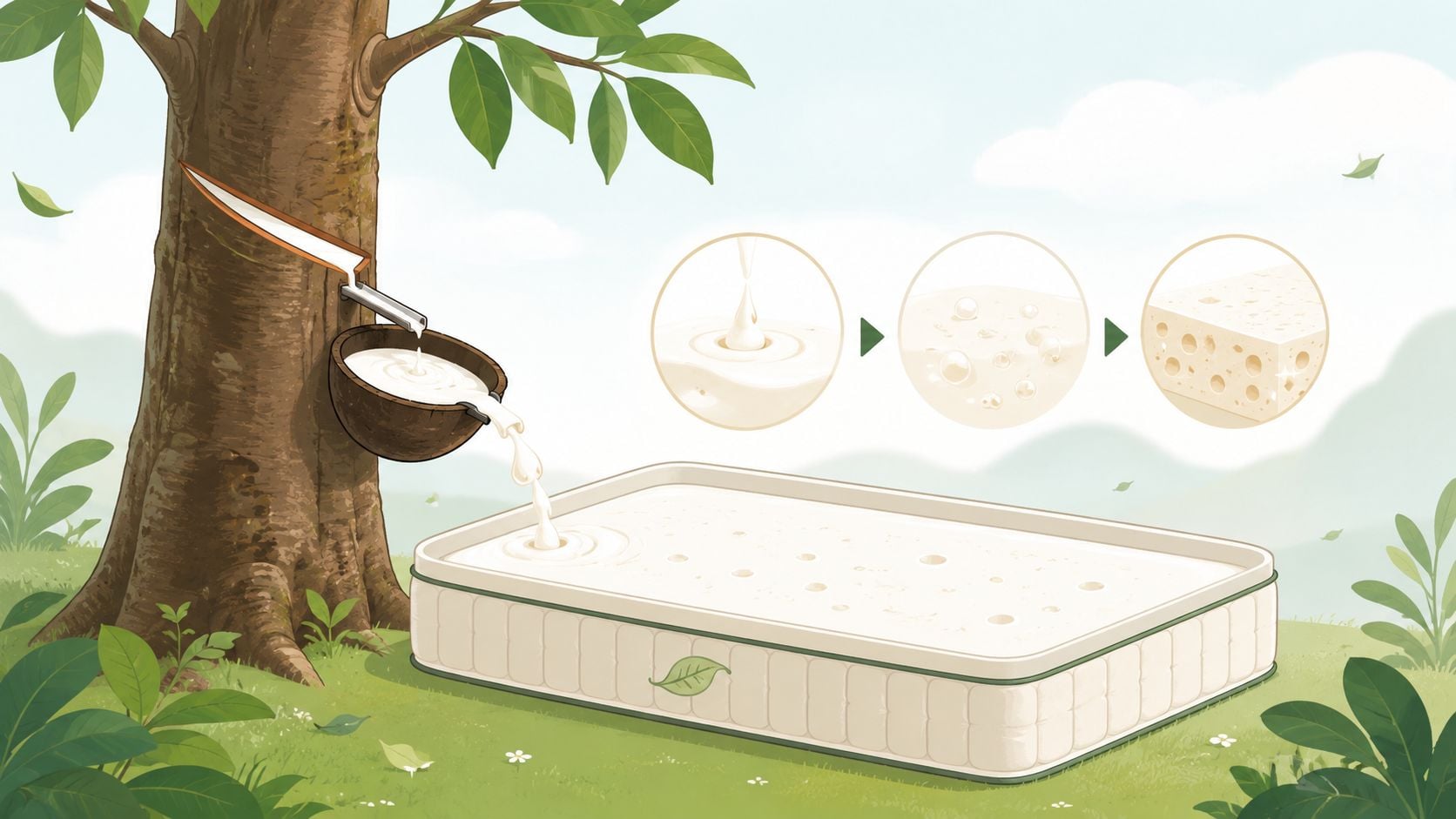
Natural latex starts with the rubber tree
Natural latex comes from the sap of rubber trees, which helps explain its character. It has a springy, elastic response instead of the slower, denser feel many shoppers associate with other foams. Shoppers who want a simple primer can read this BEDHEAD on what is latex foam, which gives a clear basic explanation of the material itself.
The easiest way to understand the feel is to picture what happens when you lie down. Your shoulder settles in a bit. Your hips are cushioned. The mattress responds right away, then adjusts again as soon as you move. It behaves more like a supportive suspension system than a surface that lets you sink and wait to recover.
That quick response matters for people who change positions during the night.
The feel is contouring, but not clingy
Latex works a little like a buoyant sponge. It compresses under weight, but it also has a gentle upward push. That is why experienced mattress shoppers often describe it as conforming yet buoyant.
For many sleepers, that translates into an easier, more natural kind of comfort. You get pressure relief without the swallowed sensation some beds create. If someone has ever said, “I want cushioning, but I do not want to fight the mattress every time I roll over,” latex is often the material worth trying first.
This is also where an in-person test matters. In the Tyner Furniture showroom in Ann Arbor, people can usually feel the difference within a few minutes because latex has a distinct response the body notices faster than a spec sheet can explain.
Not all latex is built the same
“Latex” is a broad category, not a single formula. That point gets missed all the time online, and it can lead shoppers to compare mattresses that share a label but behave very differently.
Here is the practical breakdown:
- 100% natural latex: Often preferred by shoppers focused on material purity, resilience, and a more intentional long-term purchase.
- Synthetic or blended latex: Can lower the starting price, but the feel and long-term performance may differ.
- Construction method: Dunlop and Talalay can each create a different comfort profile, so shoppers should not assume every latex mattress will feel alike.
That distinction matters for shoppers who care about longevity, off-gassing, and overall material integrity. It is similar to shopping for dining furniture. Two tables may look alike across a room, but solid wood and veneer do not age the same way, and the difference becomes obvious after years of daily use.
Why careful shoppers keep coming back to latex
Latex tends to appeal to people who ask deeper questions. They want to know what is inside the mattress, how it will feel after years of use, and whether it can be customized to fit both the room and the sleeper.
At Tyner, that conversation is more hands-on than abstract. A shopper can lie on different constructions, compare support levels, and talk through concerns like alignment, mobility, or pressure points. Someone dealing with discomfort may also want to read our guide on choosing the right mattress to help with back pain before coming into the showroom.
That local experience is part of what makes latex stand out. It is a material with differences you can feel, and Tyner's customization options and financing can help turn that trial-and-error process into a confident, long-term purchase. For many Ann Arbor families, that is the beginning of an heirloom mindset, not just another mattress transaction.
The Health Benefits of a Natural Latex Mattress
A mattress affects health in ordinary, nightly ways. It influences whether your shoulders feel pinched, whether your lower back feels supported, and whether the sleep surface stays comfortable for sensitive sleepers over time. That does not make a mattress medical care. It does make materials worth examining carefully.
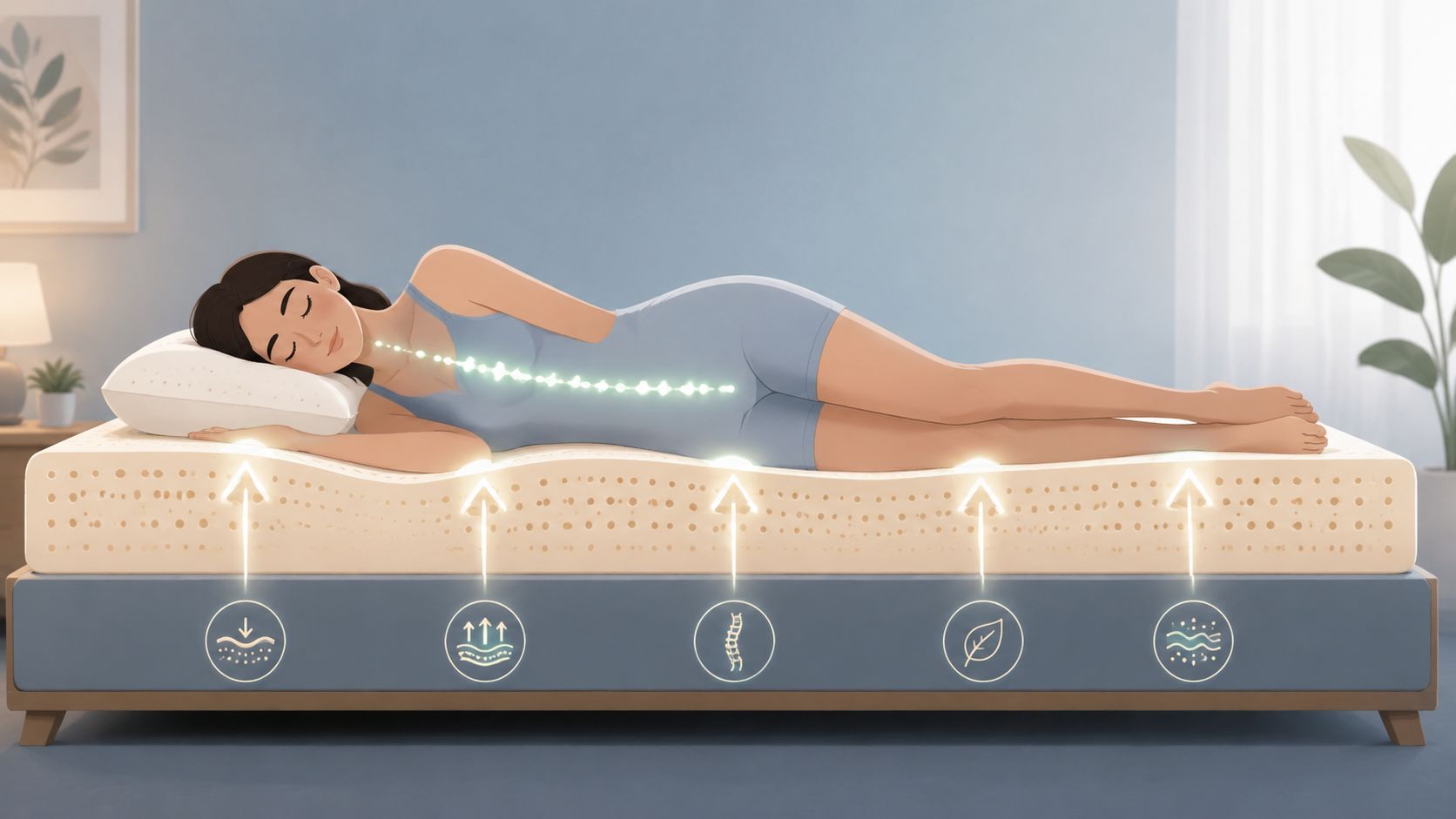
Pressure relief that your body notices by morning
One of the clearest benefits of natural latex is how it spreads out body weight across the mattress surface. In a peer-reviewed study on mattress materials and pressure distribution, researchers found lower peak pressure on key contact areas with latex, along with more low-pressure regions than polyurethane foam. The practical meaning is simple. Less force gets concentrated in a few sore spots.
For side sleepers, that often shows up at the shoulder and hip. For back sleepers, it can create a steadier feel through the midsection. For anyone who keeps rolling from one position to another trying to escape pressure, latex often feels less harsh and more evenly supportive.
A good comparison is a well-built upholstered chair versus one with thin, flattened padding. Both let you sit down, but one spreads your weight more comfortably and stays pleasant longer.
Support that helps the spine stay in a healthier position
Pressure relief alone is not enough. A mattress also needs to keep the body from dipping too far out of line.
Natural latex is springy in a controlled way. It compresses where the body is heavier, then pushes back instead of letting those areas sink excessively. That balanced response is one reason many shoppers with aches and stiffness ask to try latex in our Ann Arbor showroom. They can feel the difference more clearly by lying still for several minutes, then turning once or twice, instead of making a decision in a quick sit-down test.
If you are sorting through options for discomfort or alignment concerns, our guide to choosing the right mattress for back pain can help you focus on support, posture, and pressure relief in a more practical way.
A cleaner sleep surface for allergy-conscious households
Natural latex also appeals to sleepers who care about the bedroom environment itself. The same research source noted that latex is naturally hypoallergenic and resistant to mold, dust mites, and bacteria. In a place like southeast Michigan, where homes cycle through humid summers, dry winter heat, and long stretches with the windows closed, that can be a meaningful comfort advantage.
This matters for families, guest rooms, and older adults especially. Better rest is often one part of a broader wellness picture, and resources on helping older adults cope with stress can complement that bigger conversation.
What shoppers often feel at Tyner
In the showroom, the health side of latex usually does not announce itself in the first thirty seconds. It becomes clearer after a few quiet minutes on the bed.
- Less concentrated pressure: Shoulders, hips, and lower back often feel less jammed into the surface.
- More stable support: The mattress contours without the stuck feeling some sleepers dislike.
- A fresher overall feel: Sensitive sleepers often prefer materials that are less likely to hold onto the stale, dusty character of an aging mattress.
That hands-on trial matters. Latex is one of those materials that makes more sense once you feel how it supports your body, not just once you read about it. At Tyner Furniture, that is where the conversation becomes useful. You can compare comfort levels, ask about customization, and decide whether this is the kind of long-term, heirloom-quality sleep investment that fits your home and budget.
An Investment in Durability The Long-Term Value
The sticker price of a natural latex mattress can make some shoppers pause. That's reasonable. Better materials usually cost more upfront. The smarter way to judge value, though, is cost-per-year, not opening price alone.
A mattress used every night is a long-term household tool. When shoppers frame the purchase that way, latex starts to look less like a splurge and more like craftsmanship.
Cost-per-year changes the conversation
According to Sleeping Organic's durability guide, a 100% natural latex mattress lasts 15 to 25 years with proper care, compared with 7 to 10 years for memory foam and 5 to 8 years for a traditional innerspring.
That difference matters because replacement cycles are expensive and disruptive. A mattress that loses comfort early doesn't just waste money. It also forces the shopper back into the same exhausting research process far sooner than expected.
A higher initial investment can make more sense when it serves a household for much longer.
An heirloom mindset isn't limited to dining tables and bedroom chests. It also applies to anything used daily and expected to hold its shape, support, and comfort over time.
Durability is part material, part construction
Natural latex has a reputation for resilience because it springs back after compression instead of taking a lasting body impression as quickly as lower-grade alternatives. That's why it appeals to buyers who already appreciate durable build quality in other parts of the home.
The same customer who values Amish hand-crafted solid wood, careful joinery, and material integrity in a bedroom set will often appreciate a mattress built with the same long-view thinking. It's the opposite of a replace-it-soon purchase.
That's also where the vocabulary of investment, craftsmanship, and sustainable value fits best. A mattress with a longer useful life reduces the churn of repeated replacement and supports a more intentional home.
Why value-conscious shoppers still consider premium latex
This category often attracts people who are careful with money, not careless with it. They're measuring value in a broader way.
- Longevity matters: Fewer replacement cycles can mean less waste and less hassle.
- Comfort consistency matters: A bed that holds up well is worth more than one that feels good briefly.
- Planning options matter: Special Financing and a Low Price Promise can make a high-quality purchase easier to fit into a household budget without lowering standards.
In a local legacy business that has served Southeast Michigan since 1957, that way of thinking is familiar. Whether the shopper is choosing a made-to-order Canadel dining set, finding the right Stressless fit, or selecting a mattress, in-stock is often just the starting point. Long-term value comes from choosing the right build once.
How Latex Compares to Other Mattress Types
Comparison helps when it's honest. Not every sleeper needs the same feel, and not every mattress category solves the same problem. The key is to compare materials by behavior, not by slogans.
One important distinction deserves special attention. Many guides blur the line between natural and synthetic latex, but that shortcut can mislead shoppers who care about durability and cleaner materials. As explained in this guide to the benefits of sleeping on natural latex, only 100% natural latex is chemical-free, hypoallergenic, and biodegradable, while synthetic latex, often blended with polyurethane, can still off-gas petroleum-based compounds and lacks the extreme durability of natural latex.
Mattress Type Comparison
| Feature | Natural Latex | Memory Foam | Innerspring |
|---|---|---|---|
| Feel | Buoyant, responsive, lightly conforming | Deeper contouring, slower response | More surface bounce, less contouring |
| Pressure relief | Strong pressure distribution with active support | Often good initial contouring | Varies widely, often depends on top layers |
| Temperature feel | Breathable feel due to open structure | Some sleepers report more heat retention | Airflow can feel better, but comfort layers vary |
| Movement | Easy to reposition on | Can feel harder to move on for some sleepers | Usually easy to move on |
| Material purity options | Best in 100% natural versions | Usually synthetic foam-based | Coil core with varying comfort materials |
| Long-term value | Often favored by shoppers focused on durability | Can soften sooner depending on build | Support can change as comfort layers wear |
This broader guide to mattress types and their pros and cons can also help shoppers sort through categories before narrowing in on a specific feel.
Where natural latex stands out
Natural latex usually appeals to a shopper who wants several things at once. Pressure relief, easier movement, a cleaner material story, and long-term resilience.
Memory foam may appeal more to someone who wants a deeper body-hugging sensation. Innerspring designs may feel familiar and supportive at first contact, especially for shoppers used to traditional beds. But neither category quite replicates the buoyant, elastic support that draws people to latex.
Where shoppers need to slow down
The confusing part isn't always latex versus memory foam. It's natural latex versus latex blends.
A product labeled “latex” may still include synthetic material or polyurethane content. That doesn't make it automatically wrong for every buyer, but it does change the conversation. The shopper should ask what kind of latex is inside, how much of it is natural, and what the intended tradeoff is.
A label can say “latex” and still leave out the information that matters most. Material transparency is part of value.
That's similar to furniture shopping in other categories. “Wood” can mean veneer over engineered material, or it can mean solid cherry, oak, or maple with hand-crafted joinery. The wording sounds similar. The ownership experience is not.
The practical takeaway
For buyers in Ann Arbor and Southeast Michigan who care about sustainable design, interior design cohesion, and furniture that doesn't feel temporary, natural latex often matches the same values they use elsewhere in the home. It's responsive, ergonomic, and worth considering as part of a bedroom plan built for the long haul.
Find Your Perfect Sleep at Tyner Furniture in Ann Arbor
Online research helps narrow the field. It doesn't replace the lie-down test.
A mattress is one of the few purchases where the body usually knows more than the spec sheet. The shopper may read all the right descriptions, compare materials carefully, and still need ten quiet minutes on the mattress to understand whether the support feels balanced or off.

Why the showroom still matters
At the South State St. showroom in Ann Arbor, shoppers can feel details that don't translate well online. Latex support isn't just firmness. It's how the mattress responds under the shoulder, whether the hips settle too far, and how easy it feels to roll from one position to another.
That tactile process is familiar to anyone who has ever compared premium furniture in person. The weight of solid wood, the texture of a hand-finished surface, the way top-grain leather softens under the hand, and the way a mattress supports the spine all belong to the same category of decision. They need real-world contact.
For a practical starting point before a visit, this guide to choosing a mattress by sleeping style helps shoppers connect sleeping position to what they should test in the store.
What a useful mattress test looks like
Many people sit on the edge, bounce twice, and make a snap judgment. That rarely tells them enough.
A better in-store test is simple:
- Lie in the usual sleep position: Side, back, or a combination.
- Stay there for several minutes: Initial softness can be misleading.
- Notice pressure points: Shoulders, hips, and lower back usually reveal the truth.
- Change positions naturally: A good fit should make movement feel easy, not awkward.
How Tyner fits the local shopping experience
Since 1957, Tyner has built trust in Southeast Michigan by helping people buy with confidence, not pressure. That shows up across the store, from Home Office to Outdoor Spaces, and it matters just as much in the mattress department as it does in hand-crafted dining or living room seating.
The broader Tyner difference also supports a higher-value mattress purchase:
- Customization matters: In-stock is just the beginning. The same made-to-order mindset shoppers use with Canadel finishes and configurations or Stressless ergonomic sizing carries into the search for the right sleep setup.
- Craftsmanship matters: Shoppers who value solid wood integrity and Amish hand-crafted joinery often want the same lasting logic in the bedroom.
- Purchase ease matters: Special Financing and the Low Price Promise help remove hesitation when the right mattress costs more upfront but offers better long-term value.
The best showroom visit leaves the shopper feeling informed, not rushed. That's how a complex purchase becomes manageable.
For local households furnishing a primary suite, refreshing a guest room, or coordinating a whole-home interior design plan, the Ann Arbor showroom gives them something the internet can't. A chance to feel the difference and judge it with their own body.
Caring for Your Heirloom Mattress to Ensure Decades of Comfort
A well-made latex mattress rewards simple, consistent care. It doesn't need complicated maintenance, but it does benefit from a few good habits.
The first priority is support underneath. A proper foundation or base helps the mattress perform as intended and protects the investment from uneven wear. The second is rotation. Most latex mattresses should be rotated, not flipped, so wear stays more even from head to foot.
This mattress maintenance and cleaning guide is a good reference for keeping the sleep surface in strong condition over time.
Simple care habits that matter
- Use a proper base: Good support underneath helps preserve comfort and structure.
- Rotate on a regular schedule: This helps balance everyday wear.
- Keep it clean with gentle methods: A breathable protector and spot cleaning are usually the safest approach.
- Let the mattress breathe: Good airflow supports a fresher sleep environment.
A latex mattress fits best with an heirloom mindset. That means protecting it the same way a household would protect hand-crafted solid wood, bespoke upholstery, or any other made-to-order piece chosen for the long run. In a community that values local legacy, sustainable choices, and durable craftsmanship, that kind of care makes sense.
For shoppers ready to turn research into a confident decision, Tyner Furniture offers the next best step. Visit the Ann Arbor showroom on South State St. for a real sit test and lie-down test, or browse the online Quick Specs for special orders. Since 1957, Tyner has helped Southeast Michigan households choose lasting comfort with neighborly guidance, special financing options, and a Low Price Promise that supports better value over time.