Custom Solid Wood Dining Tables: The 2026 Buying Guide

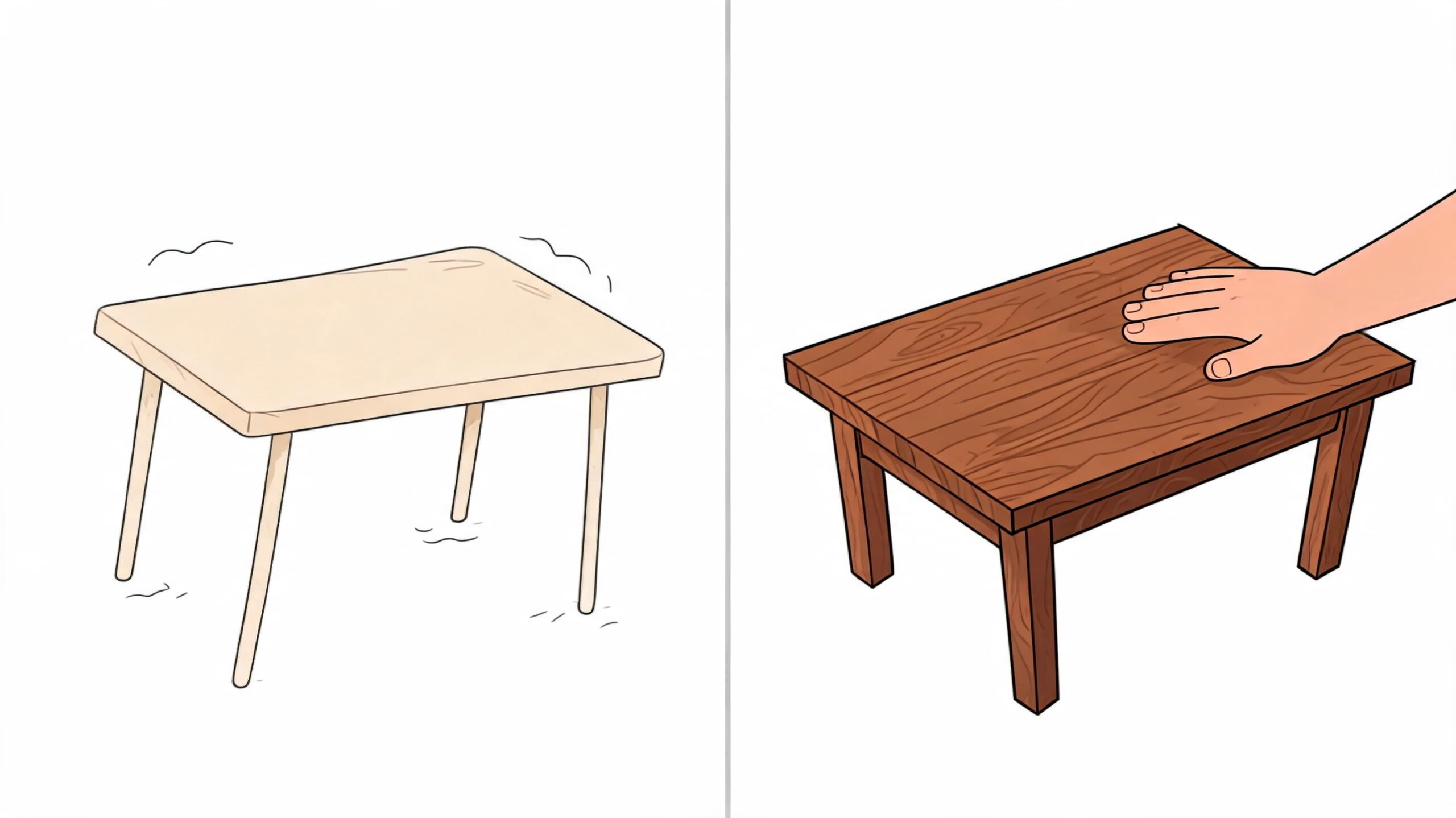
You might be reading this while staring at a dining table that already tells you what went wrong. Maybe it rocks on one corner. Maybe the finish has gone cloudy from a forgotten mug. Maybe the top looked good in a photo, but after a few seasons of Southeast Michigan humidity and heat, the seams, scratches, and wobble started to show.
That's usually when custom solid wood dining tables stop feeling like a luxury idea and start feeling like a practical one. A dining table isn't just a surface. It's where weeknight dinners happen, where kids spread out homework, where holidays run long, and where a house starts to feel settled. If you're furnishing a forever home in Ann Arbor or upgrading a piece that never quite fit your space, the right table can change the whole rhythm of a room.
Since 1957, local shoppers have turned to Tyner Furniture for guidance on pieces meant to last, not just get by. And because this is often a first major furniture investment, it helps to slow the process down and look at what really matters: value over time, solid wood integrity, thoughtful customization, and a buying process that doesn't force you to compromise.
Table of Contents
- Why Invest in a Solid Wood Table for Your Home
- Choosing the Right Size and Shape for Your Space
- Selecting Your Wood Species and Finish
- Understanding Heirloom-Quality Craftsmanship
- The Customization Process at Tyner Furniture
- Financing and Delivery for Your Investment
- Long-Term Care for a Lifetime of Memories
Why Invest in a Solid Wood Table for Your Home
The biggest mistake shoppers make is judging a dining table only by purchase price. That's understandable. A dining table is a meaningful purchase, and the upfront number matters. But if you stop there, you miss the part that usually decides whether you feel pleased or frustrated five years from now.
Why cost per year matters more than sticker price
A better question is this: what will this table cost you over the years you live with it?
A 2025 Consumer Reports analysis summarized here says solid wood custom tables last 50+ years, with an annual cost of $15 to $25 for a $3,000 table. The same analysis notes that veneered furniture often needs replacement every 7 to 10 years, pushing long-term annual cost to over $40, and that custom Amish pieces can retain 60% to 80% of their value for resale.
That changes the conversation. A table that lasts through school years, holidays, moves, and redesigns often costs less in the long run than a piece you replace again and again.
Practical rule: If a dining table is central to daily life, judge it by cost per year, not by the checkout total.
For many Southeast Michigan households, that's the difference between buying furniture and making a home investment. The table becomes part of the house's story. It holds wear naturally, can often be refreshed, and doesn't ask to be replaced the moment life gets busy.
What you're really buying
When you choose solid wood, you're buying more than a tabletop and four legs. You're buying weight, repairability, and material honesty. You can feel that difference in the hand and hear it in the room. Solid cherry has a quiet density to it. Oak has a grounded, confident grain. Maple feels smoother and cleaner visually, especially in brighter kitchens and open-plan homes.
If you want a closer look at how American-built hardwood furniture differs from mass-market construction, this guide to American-made solid wood furniture is a helpful starting point.
A hand-crafted table also gives your room permanence. That matters in Ann Arbor homes where dining rooms do real work, not just holiday duty. The right piece can anchor everything around it, from upholstered host chairs to cabinetry tones to flooring.
And there's a personal side to this that people don't always say out loud. Buying one good table often feels calmer than cycling through pieces that almost work.
Choosing the Right Size and Shape for Your Space
You find a table you love. Then the practical questions show up fast. Will chairs scrape the wall? Will people have to turn sideways to get through? Will it feel generous on Thanksgiving but oversized the other 350 days of the year?
That is why size comes before style details. A dining table works like a good kitchen layout. If the spacing is right, daily life feels easy. If the spacing is off, even a beautiful piece can become a frustration.
Start with the room, not the table
A solid wood table has visual weight and physical presence, so the room around it matters just as much as the tabletop itself. The safest starting point is clearance. Leave enough space for chairs to pull out comfortably and for people to walk behind them without feeling squeezed.
A simple rule helps. Measure your room first, then subtract the space needed for movement on the sides that stay active. That gives you a realistic table footprint, not an optimistic one.
Here's a practical way to do it:
- Measure the full room length and width. Include nearby walkways, heat vents, and door swings.
- Decide which sides need regular traffic flow. A wall side may need less room than a side near the kitchen.
- Mark the possible table size on the floor with painter's tape. This step catches mistakes quickly.
- Test it with actual chairs if you can. Pull them out, walk around them, and notice where the room tightens.
That last step matters more than shoppers expect.
On paper, a table can look perfect. In real life, chair backs, serving dishes, school backpacks, and traffic between the sink and the dining area all compete for the same few feet. In many Southeast Michigan homes, especially open-concept layouts, the dining space has to serve everyday family motion first and holiday hosting second.
If you want more visual examples, our guide to dining table shapes and seating arrangements for different room layouts can help you compare options.
How shape changes the room
Shape affects more than appearance. It changes how people move, how the room feels, and how many seats are comfortable.
Rectangular tables are usually the easiest fit in longer rooms. They create a familiar layout, leave clear serving space, and make sense for families who host a mix of weeknight dinners and larger gatherings. They also pair well with extension leaves, which matters if you want a table that stays proportional most of the year but grows when needed.
Round tables create a different experience. They soften a room, keep conversation easy, and remove the “end seat” feeling. In smaller dining rooms or breakfast areas, that can make the whole space feel more relaxed. You do give up some linear serving space, so round works best when connection matters more than maximum place settings.
Oval tables sit in the middle. They offer the longer footprint of a rectangle with gentler corners and easier movement around the edges. For families with children or tighter walkways, that softer outline can make a real difference.
Match the table to real life
This is the part many first-time buyers miss. The right size is not the largest table the room can hold. It is the table that supports your normal routine well, then stretches for special occasions in a sensible way.
For some households, that means a fixed rectangular Amish-built table with generous everyday seating. For others, it means a Canadel design with specific dimensions, pedestal or leg options, and extension features that suit the room instead of forcing the room to suit the table. The value equation matters here. A piece that fits your home properly, serves daily meals comfortably, and adapts for gatherings is far more likely to stay with your family for decades.
That is especially important if you are thinking like a long-term buyer, not a trend shopper. Southeast Michigan families often want three things at once: craftsmanship that lasts, options that fit the house correctly, and financing that makes a better table possible now instead of years from now. When those pieces come together, the purchase stops feeling like a decorating expense and starts looking more like a family asset that earns its place year after year.
Selecting Your Wood Species and Finish
This is the part shoppers usually enjoy most. Once the size is settled, the table starts to feel personal. Wood species changes the mood of the room just as much as shape does. So does the finish.
How each wood feels in real life
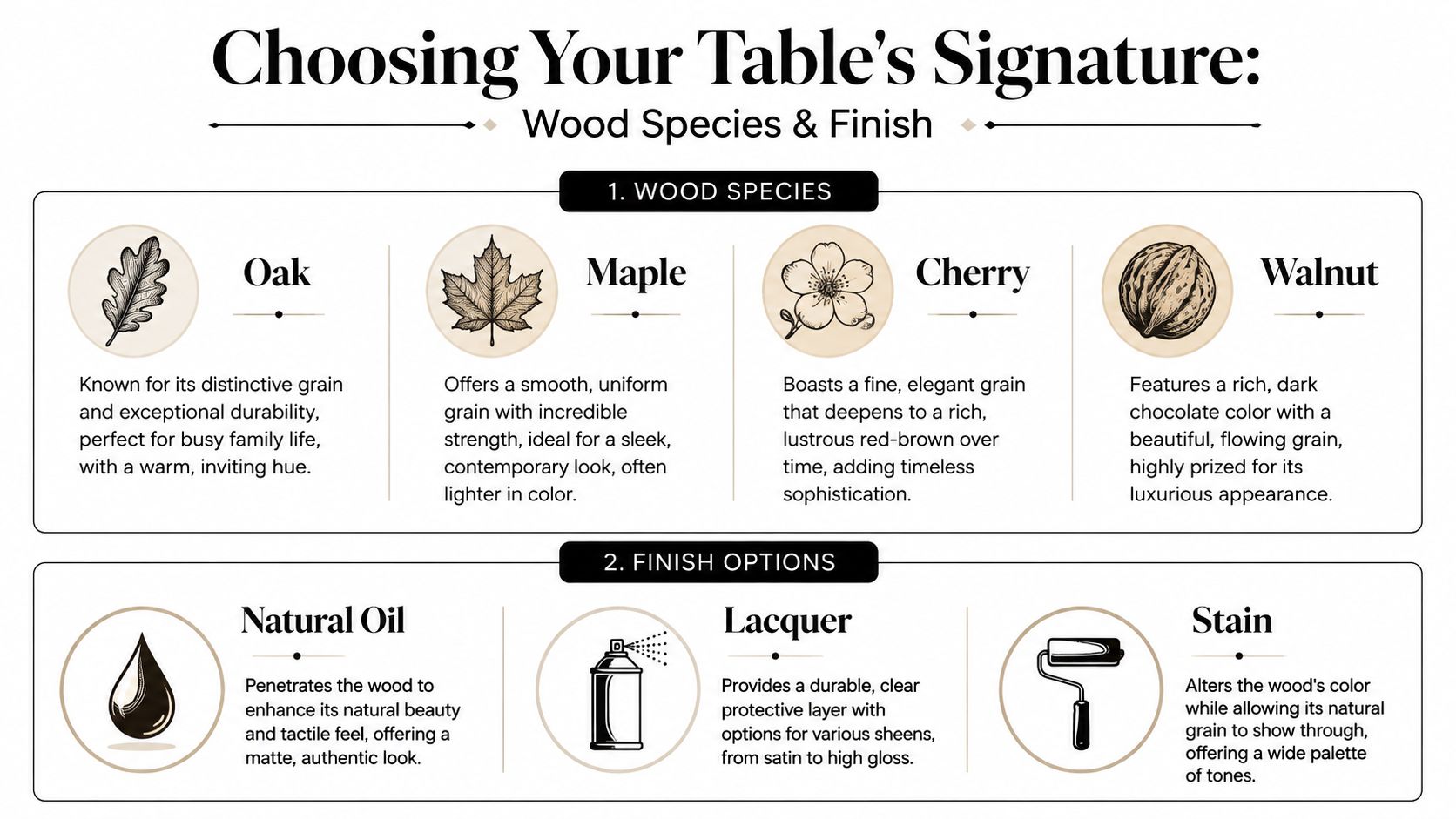
Oak is often the most familiar. It has visible grain, a sturdy visual rhythm, and a welcoming warmth that works beautifully in traditional, transitional, and farmhouse-inspired interiors. If you want a table that looks grounded and forgiving in a busy family setting, oak often feels right.
Maple is quieter. Its grain is smoother and more subtle, so it reads cleaner and a bit more refined. In homes with lighter cabinetry, painted trim, or contemporary lines, maple often creates a calm backdrop rather than demanding attention.
Cherry has elegance built in. It starts warmer and develops richer character over time, which is part of why so many people think of it as heirloom wood. The weight of solid cherry wood in person is especially convincing. It has presence without looking heavy.
Walnut tends to feel dressier. The color naturally leans deeper, and the grain can look flowing and luxurious. In the right room, walnut can make a dining area feel architectural.
If you'd like more guidance on matching species to style and long-term wear, this article on choosing the right hardwood for longevity and style gives a useful overview.
Solid Hardwood Comparison for Your Dining Table
| Wood Species | Janka Hardness (Durability) | Grain Pattern | Natural Color | Best For |
|---|---|---|---|---|
| Oak | Qualitatively durable and dependable | Pronounced, visible grain | Warm, natural brown tones | Busy family dining rooms and classic interiors |
| Maple | Qualitatively strong and clean-looking | Fine, uniform grain | Light, creamy tones | Contemporary spaces and lighter finishes |
| Cherry | Qualitatively durable with aging character | Fine, elegant grain | Warm reddish-brown that deepens over time | Heirloom-minded buyers and traditional rooms |
| Walnut | Qualitatively durable with a refined look | Flowing, rich grain | Deep brown tones | Formal dining spaces and dramatic design palettes |
How finishes change both look and upkeep
Finish is partly style and partly protection. Some buyers focus only on color, but sheen and feel matter just as much.
A natural-looking finish lets you appreciate the wood itself. You see more grain variation, and the table feels less coated. Stained finishes shift the mood toward lighter, darker, cooler, or warmer tones while still letting the grain show through. Higher-sheen finishes can feel more formal. Lower-sheen finishes often feel softer and more relaxed.
A good finish choice should answer three questions:
- What do you want the room to feel like? Formal, casual, rustic, modern, or somewhere in between.
- How much daily wear will the table see? Homework, takeout containers, holiday serving dishes, and craft projects all matter.
- What other wood tones already live in the room? Floors, cabinets, and nearby casegoods should complement rather than compete.
The beauty of custom solid wood dining tables is that you don't have to settle for “close enough.” You can tune both wood and finish until the piece feels like it belongs in your home.
Understanding Heirloom-Quality Craftsmanship
A table can look beautiful on day one and still be poorly built. That's why craftsmanship matters more than surface appearance. If you want a table that stays level, resists stress, and ages well, the construction underneath has to be right.
What joinery tells you about lifespan
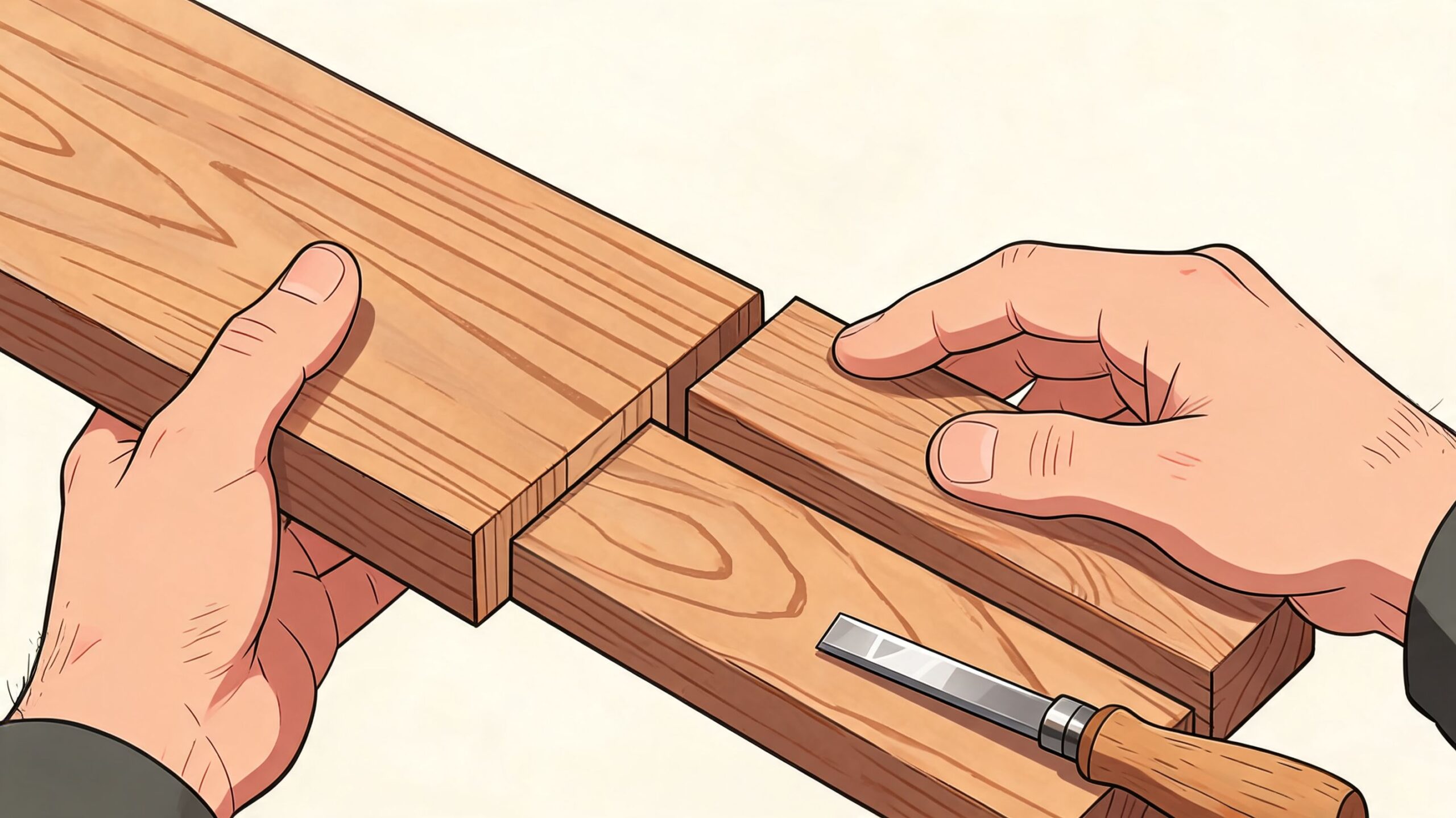
Good furniture makers pay close attention to joinery because that's where daily strain shows up first. Chairs get pushed in sideways. People lean on table edges. The top expands and contracts slightly with the seasons. A weak connection loosens under that kind of use. A well-made joint holds steady.
Time-honored joinery such as mortise-and-tenon matters because it locks parts together in a more structural way than simple surface fastening. In plain language, it's built to work with force, not just survive it. That's one reason Amish hand-crafted furniture has such a strong reputation among buyers who care about longevity.
Mass-produced tables often look neat from the outside but hide shortcuts underneath. If a piece relies heavily on basic hardware and minimal material thickness, it may look fine in a showroom and disappoint at home. Once wobble starts, it rarely improves with age.
The underside of a dining table often tells you more than the top.
That's also why an in-person visit helps. When you stand beside a real solid wood table, you notice its weight, its steadiness, and the way the base meets the top. Those details don't show well in a thumbnail.
Why kiln-drying matters in Michigan homes
Material preparation is just as important as joinery. According to Spiritcraft Furniture's explanation of round table construction, kiln-drying hardwoods to 6% to 8% moisture content is essential, because untreated wood can expand or contract up to 12% across its width with humidity changes. The same source notes that kiln-dried tables can retain structural integrity 3 to 5 times longer than air-dried alternatives.
That point matters a great deal in Southeast Michigan. Homes here move through damp summers and dry, heated winters. Wood responds to those changes. Proper kiln-drying helps reduce the risk of cupping, cracking, and long-term joint stress.
Look for these craftsmanship signals when you shop:
- Joinery that does real structural work rather than acting as cosmetic assembly.
- Solid hardwood construction instead of thin surfaces over engineered cores.
- A stable base design that keeps the table balanced through daily use.
- Finish work with an even feel so the table is protected as well as attractive.
When buyers understand these details, they stop asking only, “What does it look like?” and start asking the better question. “How was it built?”
The Customization Process at Tyner Furniture
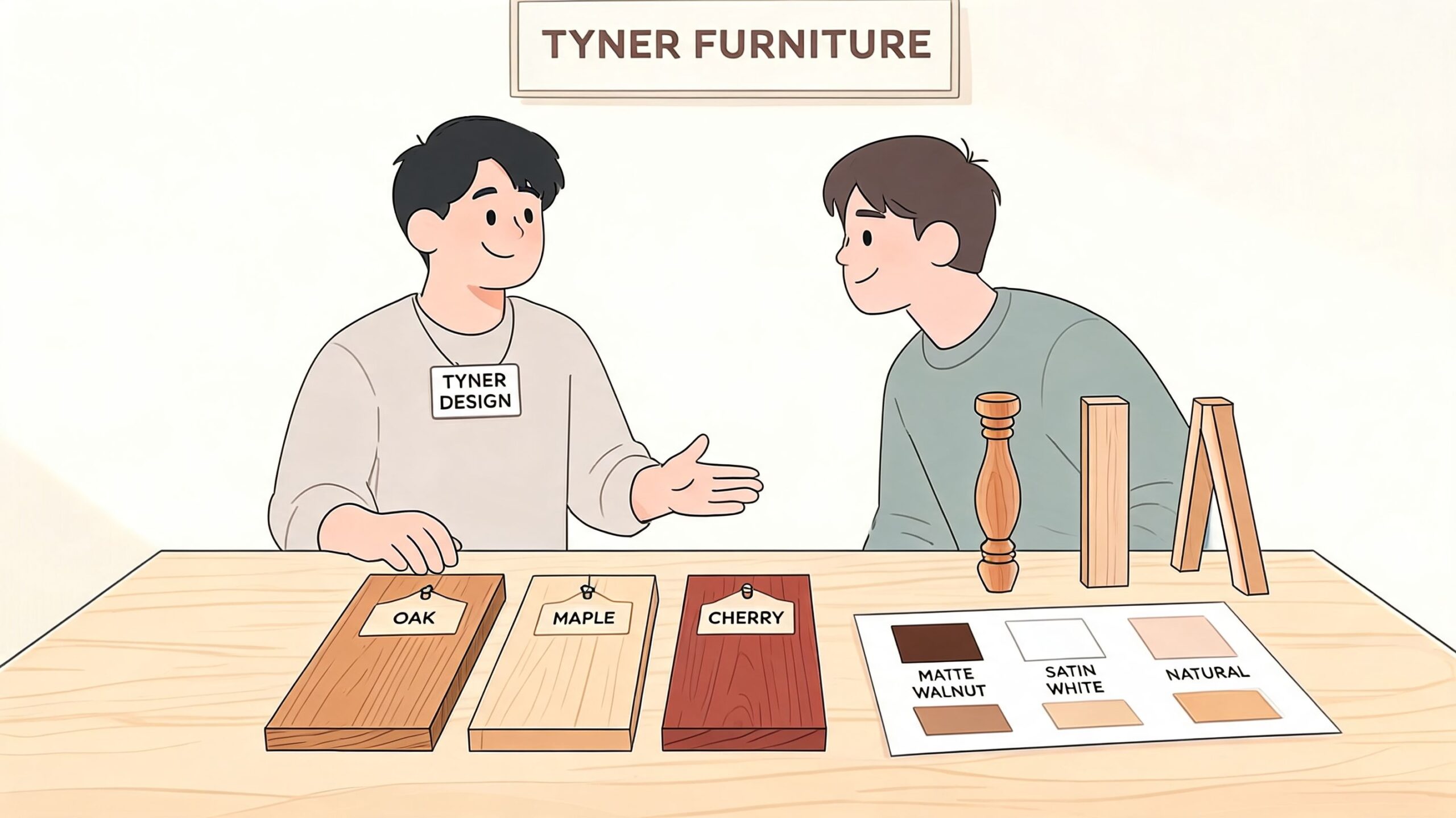
Custom doesn't have to mean complicated. For most shoppers, it means you're not forced into a showroom sample that's almost right. You can adjust the piece so it works for your room, your family, and your style.
The appetite for that kind of personalization is strong. The U.S. custom furniture market was valued at $36.2 billion in 2024, and dining tables are one of the leading categories because buyers want made-to-order pieces that fit real homes rather than generic floor plans.
Two paths to a made-to-order table
One route is a highly configurable collection. Canadel is a good example. It allows shoppers to mix and match table shapes, base styles, edge details, finishes, and coordinating chair options. That's useful for people who want a polished process with many visual choices.
The other route is a more traditional bespoke approach through Amish hand-crafted solid wood pieces. In that path, the focus is often on selecting species, stain, dimensions, and the small design details that make the table feel perfectly suited without becoming fussy.
For readers who want a practical overview before visiting, this guide on getting started with a custom order can help organize your thoughts.
What to decide before you order
It helps to walk in with a few priorities already sorted. Not every answer has to be final, but clarity on the basics makes the process easier.
Consider these decisions:
Daily function
Is this your one and only dining surface, or a more formal space used less often?Household habits
Do you need a finish and species that feel forgiving around children, entertaining, or frequent projects?Visual direction
Are you matching existing wood tones, or creating a fresh focal point?Chair pairing
A table rarely lives alone. Side chairs, host chairs, and even nearby storage pieces change the final look.
Tyner Furniture offers both in-stock and made-to-order options, including Canadel dining customization and Amish solid wood furniture, so shoppers can compare a finished floor model against more bespoke choices in one setting.
One more helpful reminder. A furniture store that can guide dining, upholstery, ergonomic seating like Stressless, home office, bedroom, and outdoor spaces can often help you make a better table decision because they see the room as a whole, not as a single isolated purchase.
Financing and Delivery for Your Investment
Even buyers who value craftsmanship can hesitate at the final step. That's normal. A solid wood dining table is a meaningful purchase, and most households want to make room for it carefully.
Using financing as a planning tool
Special financing can be useful when it helps you buy the right piece now instead of settling for one you already suspect you'll outgrow. Framed that way, financing isn't about making a luxury impulse feel easier. It's about aligning a long-lived purchase with your monthly budget.
For homeowners tackling broader home updates at the same time, it can also help to look at how professionals think about project budgeting across categories. This expert guide for homeowners in South Jersey offers a practical way to think through financing decisions, even if your current focus is furniture rather than cabinetry.
A Low Price Promise can also lower the emotional friction for careful shoppers. You want to feel confident that you're buying lasting value, not overpaying for the word “custom.”
Delivery that protects the piece
Delivery matters more with solid wood than many people expect. A hand-crafted table isn't something you want dragged through a doorway, loosely wrapped, or assembled in a rush.
White-glove delivery adds value because it protects the finish, handles the weight properly, and helps the table arrive level and ready to live with. That final step is part of the investment. If a piece is built well, it deserves to be delivered well too.
For Southeast Michigan households, that kind of support is especially reassuring when the table is large, heavy, or fully customized.
Long-Term Care for a Lifetime of Memories
A solid wood table doesn't ask for complicated care. It asks for steady care. That's good news for busy households, because a few simple habits do most of the work.
Managing seasonal humidity
The biggest long-term issue in this region is movement caused by changing indoor air. According to The Lumber Shack's custom wood table guidance, solid hardwoods like oak and maple can expand or contract up to 0.5% for every 10% change in relative humidity, and maintaining indoor humidity between 40% and 60% helps prevent cracks and joint stress.
That matters in Southeast Michigan because homes often shift from muggy summers to very dry winter heating. Even a well-built table benefits from a stable indoor environment.
A few simple habits help:
- Use a humidifier in dry winter months if your air becomes noticeably parched.
- Avoid placing the table close to heat vents or radiators where rapid drying can stress the wood.
- Keep the room reasonably consistent rather than allowing big swings in indoor conditions.
Wood is stable when the home around it is stable.
Simple habits that preserve the finish
Day to day, care is mostly about protection and prompt cleanup. Use placemats, trivets, and coasters so heat and moisture don't sit directly on the finish. Wipe spills quickly. Choose soft cloths over abrasive scrubbers.
If you do end up with a ring or mark from moisture, a careful household resource like this DIY guide to removing water stains can help you understand safe first steps before you try anything aggressive.
For broader prevention, this guide to protecting wood furniture from scratches and stains is a useful companion.
A simple care routine looks like this:
- Dust with a soft, dry cloth so grit doesn't grind into the finish.
- Clean gently with products appropriate for finished wood surfaces.
- Use barriers for heat and moisture during daily meals and entertaining.
- Address small issues early before they become finish damage or discoloration.
A well-made table should show life, not neglect. Small signs of use can add character. Deep damage usually comes from repeated stress that could've been prevented.
The good news is that custom solid wood dining tables are built for real households. They're meant to host birthdays, pizza nights, homework, and holidays. With sensible care, they keep doing that for a very long time.
If you'd like to compare wood species in person, test chair comfort, or feel the difference in a solid top and hand-crafted base, visit Tyner Furniture on South State St. in Ann Arbor for a sit test and a closer look at made-to-order dining. If you're still narrowing options, browse the online Quick Specs and start building a table that fits your room, your routine, and the kind of home you plan to keep for years.