Table Leg Styles: A Complete Guide to Choosing Bases

Standing in a showroom with a dining table in front of them, many shoppers focus on the top first. Then the legs start to matter, because the room suddenly feels fuller, the chairs need to fit, and the whole piece has to live with daily family meals, laptops, and holiday trays. In Ann Arbor and across Southeast Michigan, that's usually the moment when table leg styles stop being a design detail and start becoming a practical decision.
The right base changes how a table looks, how many people can sit comfortably, and how confidently it will hold up over time. It also helps tell the story of a piece, because leg profiles often point back to a design era, from early 18th-century cabriole forms to mid-century hairpin silhouettes (Mallery Hall, SoloRety). For shoppers who want heirloom value, not a short-lived purchase, that mix of aesthetics, durability, and clearance is what makes the choice worth slowing down for.
Why Table Leg Styles Matter More Than You Think
A dining table can look perfect online and still feel wrong in a room. The top may be beautiful, but the legs decide whether chairs tuck in cleanly, whether knees hit the stretcher, and whether the table looks grounded or awkward once it's in place. That's why the leg style is never just an afterthought. It's part of the furniture's structure, but it also shapes the visual weight of the entire piece.
The leg profile changes the room
A slim metal base reads very differently from a solid wood corner leg. One can make a room feel lighter and more open, while the other gives the table a stronger presence. In a smaller breakfast area, that difference can be the reason a room feels welcoming instead of crowded.
There's also a historical side to this that helps people shop with more confidence. Many well-known leg forms cluster around major eras rather than appearing randomly. Cabriole legs are tied to the early 1700s, Marlborough legs were prominent in the mid-1700s, and Adam-style furniture was produced between 1760 and 1792 (Mallery Hall). Those profiles still matter today because they help collectors, designers, and appraisers identify period influence.
Practical rule: if the leg style looks too heavy for the room, the whole table can feel larger than its footprint.
The same idea works in reverse. A narrow leg can make a large top seem less grounded, especially if the table needs to support family dining every day. Good shoppers usually start by asking a simple question. Does the base support the way the room is used, or does it only look nice in a photo?
For homeowners comparing options in the Ann Arbor showroom, that question usually leads to a better long-term buy. It also shifts the conversation from price alone to cost-per-year, which is the measure of value for furniture that's expected to last.
Common Table Leg Styles and Their Design Roots
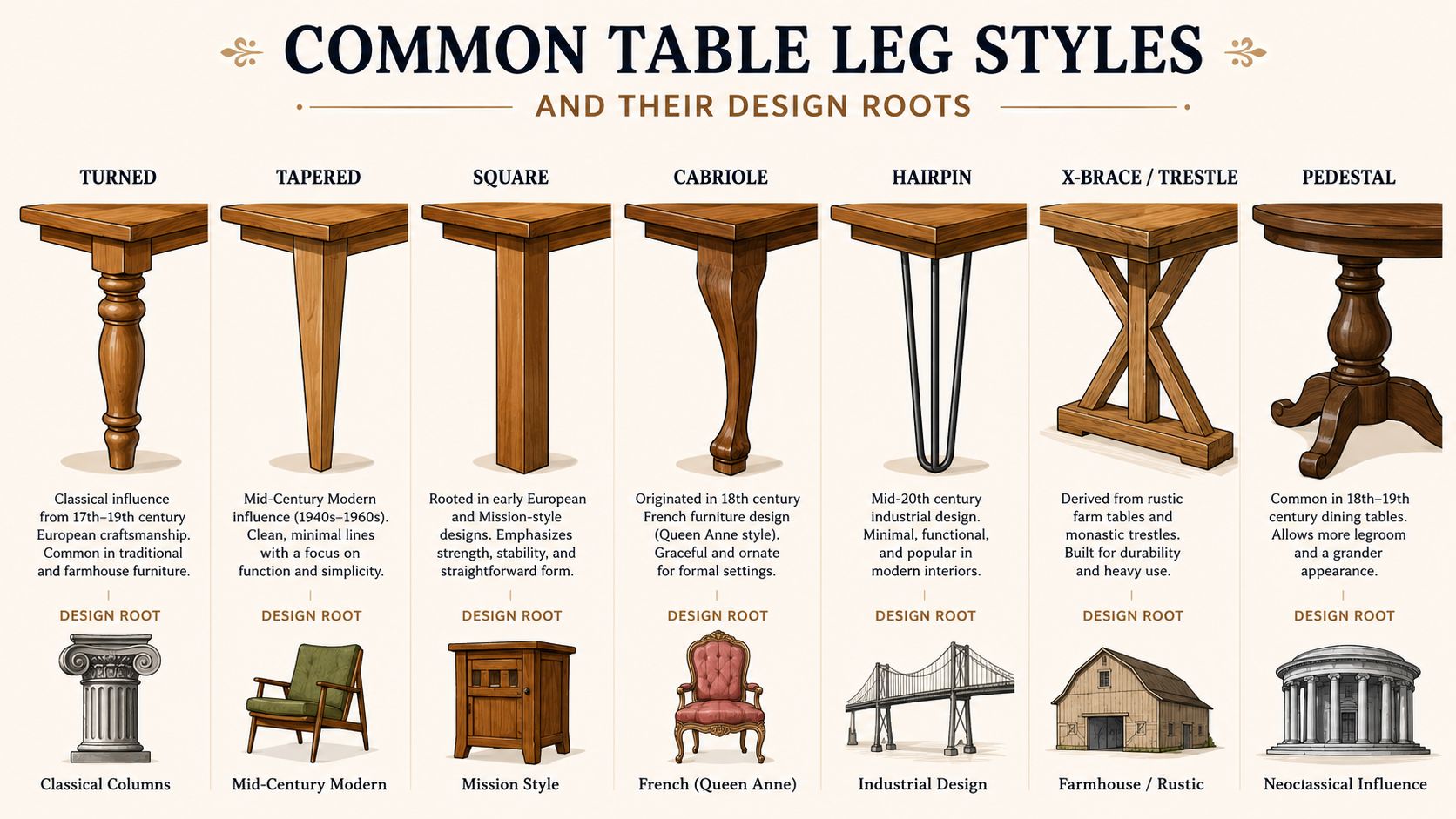
The quickest way to sort through table leg styles is to look at the shape first, then the material, then the feeling it creates in the room. A leg that disappears under the top can make a table feel lighter, while a leg with more visual weight can make the same tabletop seem grounded and substantial. That difference matters in a dining room, because the base has to look right and leave enough room for chairs, knees, and daily traffic.
A good showroom comparison starts with the silhouette. One profile may suit a formal space, while another fits a family room where people gather, slide in and out of seats, and use the table for more than meals. The same leg style can read very differently depending on the room around it, which is why the design root is useful. It helps explain why some bases feel classic, some feel airy, and some feel built for everyday use.
Traditional wood profiles
A turned leg has a lathe-shaped rhythm, with rounded sections and small changes in diameter that give it a handmade feel. It often works well in classic dining rooms because the profile feels familiar and steady. A tapered leg narrows gradually toward the floor, so it keeps a lighter look without losing the strength of a thicker upper section.
A cabriole leg has a graceful S-curve, bowing outward before sweeping back in. That shape is tied to the early 1700s and the Queen Anne and Chippendale periods (Mallery Hall). It still suits traditional rooms because the curve adds movement without feeling fussy. A Marlborough leg, by contrast, is straight and more architectural, often paired with cube-shaped feet and associated with mid-1700s American and English furniture (Study.com).
Lighter modern silhouettes
A reeded leg uses vertical grooves that catch the light and add texture. It became popular in the late 1700s, especially in Regency and Federal furniture (Mallery Hall). A saber leg curves outward in a gentler sweep, which gives a table a forward-leaning energy that fits transitional and early modern rooms (Study.com).
Then there's the hairpin leg, one of the clearest markers of mid-century modern taste. It emerged in the 1940s and became widely popular in the 1950s and 1960s (SoloRety). Its appeal comes from visual simplicity. The thin metal rods make the tabletop feel as if it is floating, which can help a room feel less crowded.
For shoppers who want a closer look at how support shapes affect real-world use, self-stabilising table bases are a helpful point of comparison. The base shape changes how steady a table feels, how much legroom it leaves, and how comfortably chairs tuck in around it.
Geometric modern bases
An X-base brings a stronger graphic shape and is associated with modern production methods from the 1950s, including designs developed by Charles and Ray Eames (SoloRety). It feels deliberate and sculptural, which makes it a good fit for spaces that want clean lines rather than ornament. In the showroom, that kind of base often appeals to people who want the table to read as an interior design statement without taking over the room.
Tyner Furniture's furniture legs guide helps shoppers see how these forms show up in real home furnishings rather than in abstract profiles.
Specialty Bases for Round and Farmhouse Tables
A round table can make a dining area feel easier to use, especially in a room where every inch counts. The challenge is choosing a base that keeps that open feeling around the edge instead of crowding the seats. A pedestal base does that well because one central column supports the top, which opens up knee space and makes it easier for chairs to slide in from different angles. For a closer look at how round-table support shapes affect everyday use, this round dining table base guide is a useful reference before you make a final choice.
Why pedestal bases work so well
A center support keeps the focus on seating flexibility. No one has to work around a corner leg, and guests can shift their chairs without getting locked into one spot. That makes pedestal tables a practical fit for round breakfast nooks, smaller dining rooms, and rooms where the table also pulls double duty as a homework or puzzle surface.
A trestle base works differently. It uses two side supports joined by a beam underneath, which gives the table a grounded, sturdy look and often suits farmhouse styling. The beam also gives a long table a strong visual line, so the eye reads the piece as stable and intentional.
A well-placed base does more than shape the look of the table. It decides whether the table feels easy to live with every day.
That matters in real homes because dining areas rarely stay limited to one task. A table may need to leave room for knees, bags, serving dishes, and extension leaves, all while still feeling open enough for people to move around it comfortably. A base that looks right in a showroom can still feel awkward at home if it blocks the spaces people use most.
For homeowners comparing round options, when a camp table with sink is a helpful reminder that function often shapes the base before style does. In utility tables and similar setups, clear support, open access, and steady footing all work together, and the same logic applies when choosing a dining table base for daily use.
How Leg Geometry Affects Stability and Seating Comfort
A table leg does more than hold weight. Its geometry shapes how the table stands, how the frame carries stress, and how easily people can sit down without brushing a knee against wood or metal. In a showroom, that difference can be subtle at first, then obvious the moment chairs start sliding in around the table.
Load and stance work together
The profile of a leg changes how force moves through the table. A standard residential furniture leg with a 50 × 50 mm square section, 2 mm wall thickness, and 150 mm height is rated at ≥ 200 kg per leg, while a solid beech leg of similar size, 45 × 45 mm at 150 mm height, can exceed 250 kg compressive capacity (Veitop Hardware). A common 12 mm rod, three-pin hairpin leg is typically rated at ≥ 100 kg per leg at 200 to 300 mm height, so a four-leg table can be engineered for about 400 kg total static load.
That contrast is easy to read. Block-style and solid-wood legs usually leave more room for static compression, while thin wire forms suit lighter tables and rooms that call for a lighter visual footprint. A homeowner does not choose between strength and style in the abstract. The better choice depends on how the table will be used, whether that means family meals, guests, homework, or everyday clutter.
Clearance is part of comfort
Leg geometry also decides whether the table feels comfortable at the edge. Technical guidance for bespoke tables recommends 10 to 12 degree side-member angles for A-frame or splayed assemblies, and placing the stretcher at least 9 inches back from the knees to avoid seating interference (Homestyler). A 7 to 10 degree taper is commonly used for tapered legs to keep the silhouette light while preserving section depth near the top joint.
A helpful test is simple. If the leg or stretcher gets in the way before the chair is fully tucked under the top, the design is working against the room.
That is why straight and tapered corner legs often make the best use of the seating perimeter, while X-, V-, and A-frame styles need careful placement so knees do not collide with the base. A family table and a formal entertaining table do not ask for the same geometry, and the base should match the way people will sit, serve, and move around it. For households comparing table height and base shape, this dining table height guide is useful for connecting comfort, clearance, and proportion.
| Table Leg Load Capacity and Clearance Guidelines | |||
|---|---|---|---|
| Leg Style | Typical Load Rating Per Leg | Best For | Clearance Notes |
| Square residential leg | ≥ 200 kg per leg (Veitop Hardware) | Everyday dining and heavier tops | Strong static support, good for corner seating |
| Solid beech leg | Exceeds 250 kg compressive capacity | Heirloom-style solid wood tables | Works well where strength and material integrity matter |
| Hairpin leg | ≥ 100 kg per leg | Light tables and minimalist rooms | Needs careful matching to tabletop weight and use |
For shoppers comparing seating height with base choice, this dining table height guide helps connect comfort, clearance, and proportion, especially where daily use matters as much as appearance.
Matching Leg Styles to Room Aesthetics and Table Types
A table base should look like it belongs in the room, not just sit in it. In a showroom, the right leg style usually shows itself by how well it echoes the room's materials, lighting, and chairs. Traditional spaces often welcome more sculpted profiles, while contemporary rooms usually look better with cleaner lines and lighter visual weight.
Pairing form with setting
Turned and cabriole legs suit traditional and transitional dining rooms because they bring warmth and movement. Their curves soften a space that already uses wood tones, upholstery, and framed art. Tapered and hairpin legs fit mid-century modern and contemporary rooms more naturally, especially when the rest of the space favors open sight lines and simple upholstery.
Chunky trestle bases fit rustic and farmhouse rooms, where the table should feel solid, communal, and unfussy. Marlborough legs work well on formal rectangular tables because the straight lines echo the shape of the top and keep the piece visually disciplined. Pedestal bases are a strong choice for round breakfast nook tables, since the center support leaves more room around the perimeter and makes seating easier in tight spaces. For homeowners comparing how a table will sit in a compact eating area, breakfast nook design inspiration for 2026 can help frame how shape, light, and seating flow affect the base you choose.
Customizing the look without losing function
Made-to-order furniture helps when stock pieces come close but miss the mark. Matching the leg profile, wood species, and finish to the room makes the table feel planned from the start, instead of adjusted after the fact. In the South State St. showroom, that often means choosing the visual weight that fits nearby cabinetry, flooring, and seating. For shoppers who want that level of fit, custom solid wood dining tables give more room to align style with day-to-day use.
The sensory part matters too. A finish can make oak feel more grounded, cherry feel richer, or maple feel cleaner and brighter. Those choices change how the table lives with the rest of the home, not just how it looks on delivery day.
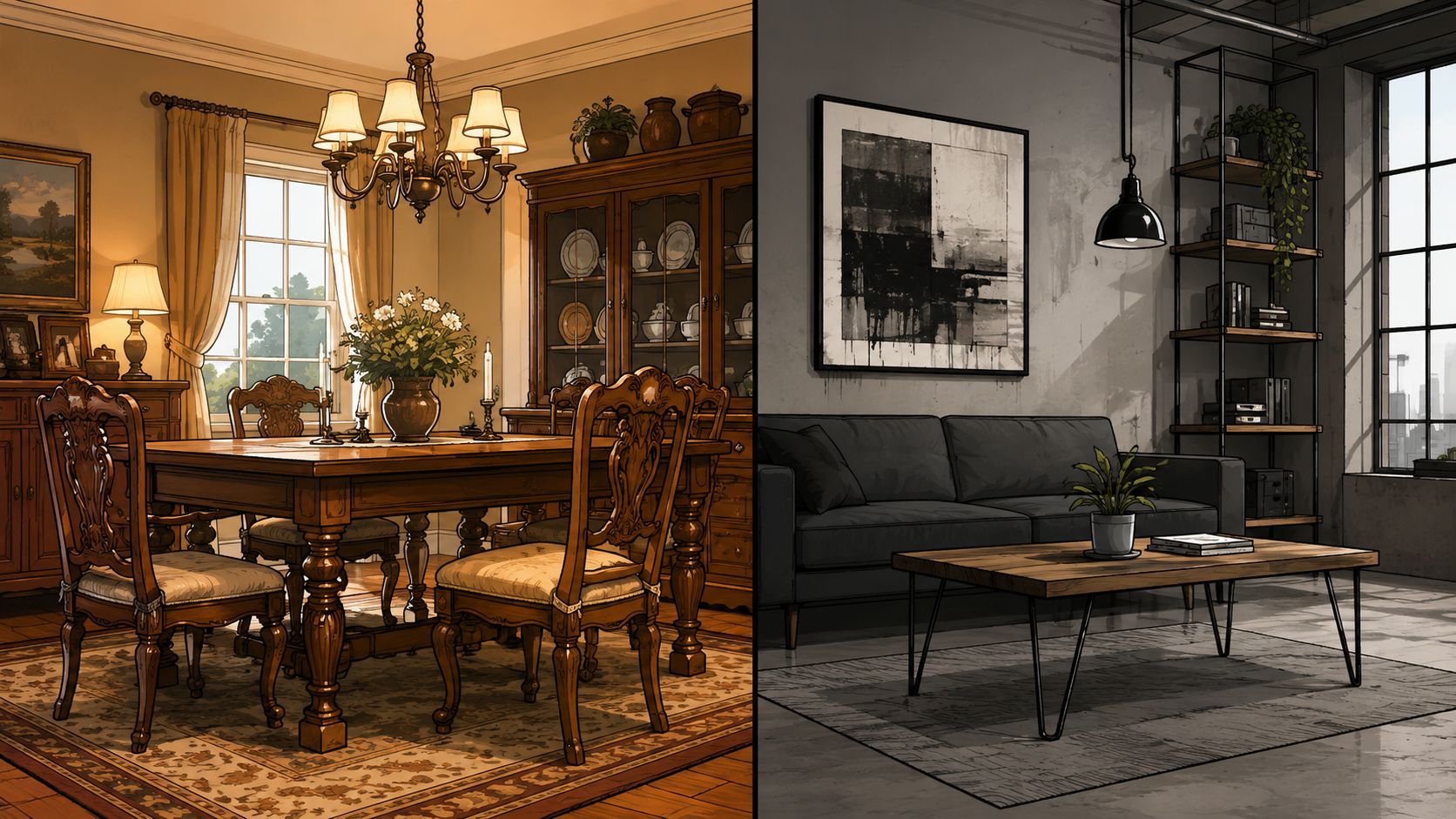
That kind of matching is part design and part practicality. A homeowner choosing between a formal dining piece and a more relaxed family table often finds the answer in the legs before the top. The base signals what kind of use the table should expect, and it also affects how comfortably people can sit and move around it.
Customization and Craftsmanship in Made-to-Order Table Legs
A made-to-order table can solve the problem that stock furniture often creates, which is settling for a style that almost fits. When the leg profile, wood species, and finish all work together, the table feels intentional from the start. That's especially important for shoppers who want an heirloom piece rather than something that only works for a few years.
What craftsmanship changes
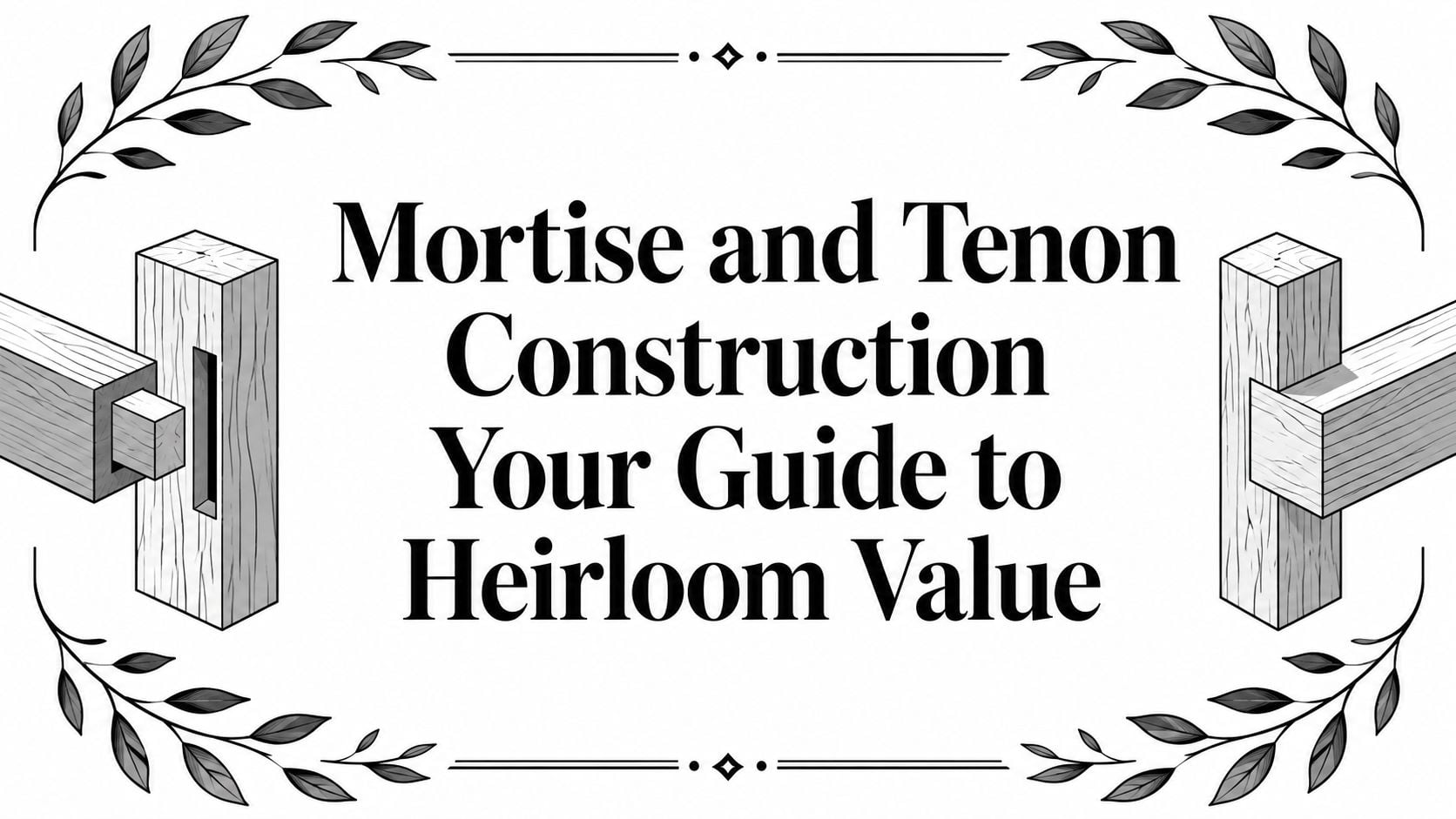
Amish hand-crafted solid wood furniture is usually built with time-honored joinery such as mortise-and-tenon, which gives the piece structural integrity that mass-produced alternatives often can't match. The value isn't only in appearance. Strong joinery helps the table stay steady through daily use, seasonal changes, and repeated chair movement.
That's why solid wood matters so much in dining furniture. Cherry, oak, and maple each bring a different feel in the showroom, from the weight of the grain to the way the finish catches light. A good shopper notices those differences right away because they change how the room feels under real use.
Good custom work starts with the room, not the catalog. The leg style should support how the table will be used, cleaned around, and lived with.
How to make customization practical
Canadel's bespoke dining program lets customers choose from thousands of combinations, including leg styles, table edges, finishes, and distress levels. That kind of flexibility matters because it lets the table match the rest of the home instead of forcing a compromise. For families who want a specific room feel, that's often the difference between a piece that fits and a piece that belongs.
The same custom mindset is available through Tyner's custom solid wood dining tables, where the focus stays on fit, finish, and long-term use. In practical terms, that means the table can be built around the room's proportions, the family's seating needs, and the desired design style.
For Southeast Michigan homes, the best choice usually comes down to durability, craftsmanship, and cost-per-year. A well-built table that stays useful for generations often proves more sensible than replacing a lighter piece sooner. That's the quiet advantage of choosing materials and joinery with the long view in mind.
Practical Selection Tips for Southeast Michigan Homeowners
Michigan homes deal with seasonal humidity swings, so solid wood tables deserve a little care. Stable indoor conditions help finishes stay looking even, and simple habits like using coasters and avoiding standing water on the surface protect the investment. The goal is to keep the table handsome and stable through ordinary daily use, not to baby it.
What to check before buying
- Joinery quality: Look underneath and along the apron for clean, tight construction.
- Stability: Push lightly at the corners to feel for wobble or flex.
- Knee clearance: Sit in a chair and check whether the stretcher, leg angle, or base shape interferes.
- Room flow: Make sure the base still leaves comfortable movement around the table.
- Finish match: Compare the wood tone to flooring, cabinets, and nearby furniture.
Those checks matter just as much as the tabletop finish. A leg style that looks beautiful in the showroom can still be the wrong fit if it blocks seating or makes the room feel cramped.
For shoppers comparing American-made dining pieces, this guide to American made dining tables is a useful starting point before a visit to the Ann Arbor floor. It helps frame the conversation around material integrity, build quality, and long-term value.
Tyner Furniture has served Southeast Michigan since 1957, and that local legacy still matters when a shopper wants a lasting piece and a straightforward buying process. The showroom covers everything from the Home Office to Outdoor Spaces, so table decisions can be made alongside the rest of the home without guesswork. Special Financing and the Low Price Promise can also make a higher-quality table easier to plan for, especially when the goal is to buy once and keep it for years.
Tyner Furniture in Ann Arbor offers made-to-order dining options, including tables that can be customized by leg style, finish, and configuration. For a table that fits the room, supports daily life, and feels right in person, visit Tyner Furniture on South State St. for a sit test, or browse the online Quick Specs for special orders.