Solid Wood vs Engineered Wood for Furniture: A Buyer’s Guide

You're standing in a showroom with one hand on a dining table that feels like it could outlast the house and the other on a lighter piece that looks easier to live with. That's the solid wood vs engineered wood decision, not a decorating preference, but a choice about how long a piece should work, how much care it will accept, and whether the price makes sense over years of use.
For buyers in Ann Arbor and Southeast Michigan, that question matters because homes here aren't staged for a season. They're lived in through dry winters, humid summers, family dinners, pets, guests, and the occasional scraped chair leg. A piece that looks good only on delivery day is the wrong purchase. A piece that fits the room, the climate, and the life being built around it is the one that earns its keep.
| Criterion | Solid Wood | Engineered Wood |
|---|---|---|
| Core build | Single piece of lumber | Real-wood veneer over bonded layers |
| Long-term service | Strong heirloom candidate | Practical, stable workhorse |
| Refinishing potential | More forgiving over time | Depends on veneer thickness |
| Moisture behavior | Less stable in changing conditions | Better dimensional stability |
| Best use case | Dining, bedroom, heirloom case goods | Larger panels, variable conditions, some installed applications |
The Furniture Decision Most Shoppers Get Wrong
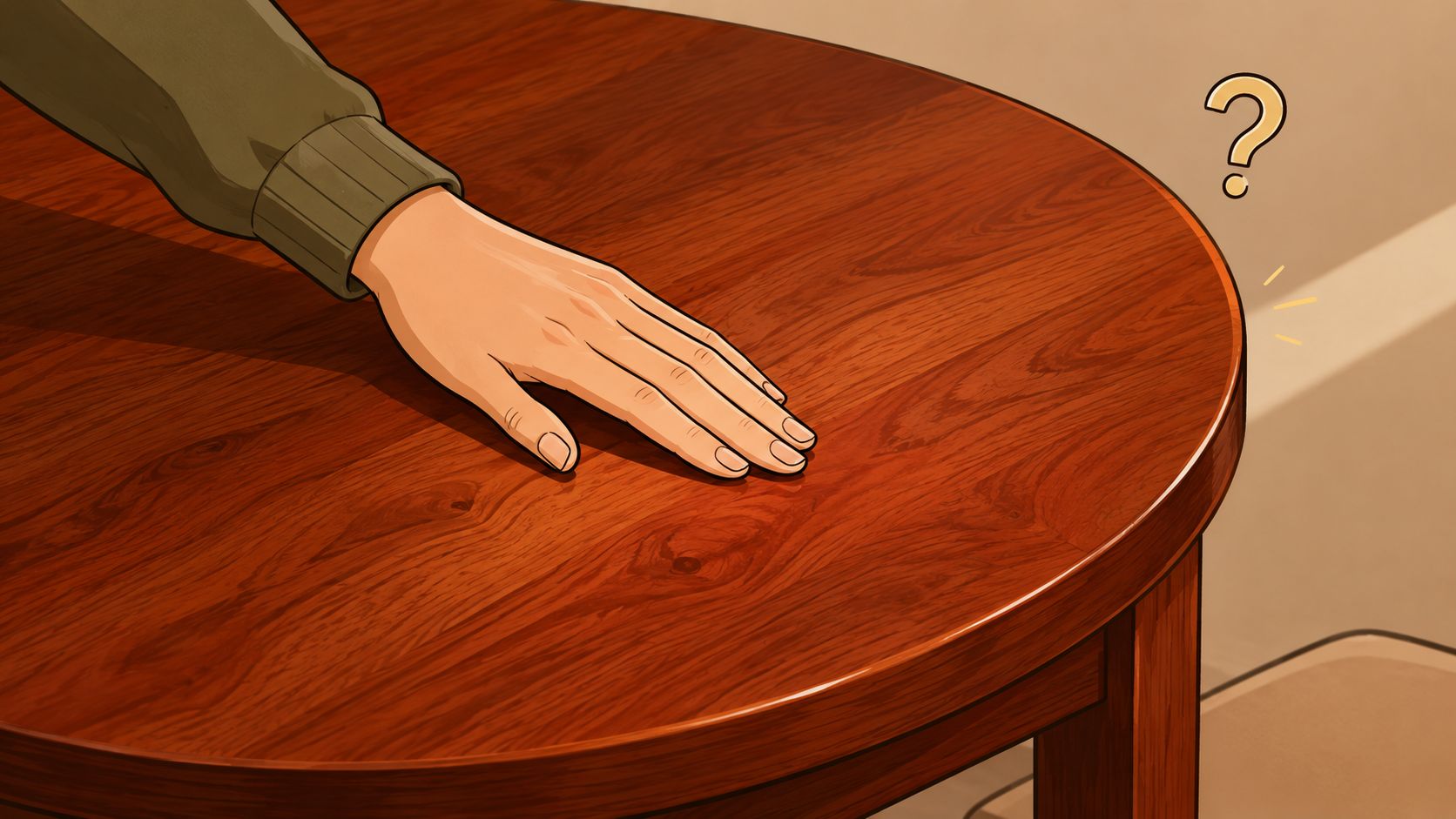
A shopper runs a hand across a cherry table and asks the right question without realizing it. Is it the kind of piece that becomes part of the family, or the kind that gets replaced when the finish looks tired and the joints start to complain?
That question usually gets reduced to sticker price. It shouldn't. A furniture purchase is a long game, and in a market like Ann Arbor, where buyers often settle into a home and keep upgrading around it, the better measure is cost per year. A table, dresser, or cabinet that lasts and still looks dignified after years of use is doing a different job than a piece bought to bridge a short season.
Practical rule: if the room gets daily use, the purchase should be judged like an investment, not a temporary fill-in.
That's why the material choice matters so much. Solid wood gives a buyer a different ceiling for longevity and repairability. Engineered wood gives a buyer flexibility, better stability in certain settings, and a way to bring real wood into more spaces without asking the home to behave like a climate-controlled museum.
The showroom floor makes that difference obvious fast. A solid cherry top has weight, depth, and a sense of permanence. A layered piece can still look handsome and feel refined, but it's built for a different kind of math. The smart move is matching the material to the job, then deciding whether a custom-order Amish piece is worth waiting for because the room needs heirloom behavior.
What Solid Wood and Engineered Wood Actually Are
Solid wood is exactly what it sounds like. The piece is milled from a single board or plank of lumber, so the material runs through the full thickness of the furniture component. In a cherry dining table or bedroom chest, that construction gives the piece the familiar heft people notice right away, the weight of real material doing real work.
Engineered wood is built differently. It uses a real-wood veneer on the surface, bonded over multiple layers, usually plywood or fiberboard. That layered build changes how the piece behaves. The top still looks like wood, because it is wood on the surface, but the core is there to add stability and control movement.
That difference matters in a Michigan home. Solid wood responds more directly to seasonal changes, which is part of its charm and part of its burden. Engineered wood is designed to resist that kind of movement better, so it can be the more forgiving option when a room sees changing humidity or temperature.
A hand can feel the contrast before a buyer ever gets technical. Solid wood feels dense and continuous. Engineered surfaces can feel cooler and more controlled, with the visual character sitting on top of a built structure rather than running through the whole piece.
For a plain-language breakdown of species, finishes, and construction details, Tyner's wood furniture guide is a useful companion to this decision, especially for shoppers comparing species and joinery in one place: wood furniture explained and hardwood longevity.
Real wood on the surface is not the same thing as solid wood through the full thickness, and that difference shows up later in repair, wear, and resale value.
Durability, Refinishing, and Cost Side by Side
The cleanest way to compare the two is to put the facts on the same page. That's where the decision gets honest.
| Solid Wood vs Engineered Wood at a Glance | Solid Wood | Engineered Wood |
|---|---|---|
| Expected lifespan | Up to 100 years in one industry comparison, with proper care | Commonly 25 to 40 years |
| Refinishing potential | Usually 4 to 6 times, depending on thickness | Usually 0 to 2 times, depending on veneer thickness |
| Moisture stability | More reactive to expansion and contraction | More dimensionally stable because of cross-layer construction |
| Upfront cost | About $5 to $28 per square foot | About $4.50 to $16 per square foot |
| Best-fit rooms | Dining rooms, bedrooms, heirloom pieces | Moisture-variable areas, concrete-adjacent installs, wide-format needs |
Those numbers are from flooring comparisons, but the logic carries over to furniture. Solid wood is the more serviceable material when long ownership matters. Engineered wood is the more controlled build when stability and initial spend matter more. The basic rule from Ocodile wood furniture safety is simple enough for shoppers to remember, construction changes what a piece can handle over time.
The refinishing question is the one buyers often miss. A piece with a thicker wear layer can be restored more often than a thin one, which means engineered wood isn't one fixed category. The veneer thickness decides whether a piece gets a second life or just careful cleaning. That makes the specification sheet more important than the label.
For shoppers protecting a purchase from day one, the finish and daily care matter too. Tyner's guide on keeping wood surfaces in shape is a smart follow-up if scratches and stains are part of the reality of the room: protecting wood furniture from scratches and stains.
Bottom line: the higher number up front only matters if the piece runs out of useful life quickly. If it keeps working for decades, the cost story changes completely.
Where Each Material Earns Its Place in Your Home
Dining rooms are where solid wood usually makes the strongest case. Tabletops take hot plates, elbows, spills, homework, and holiday traffic. A solid wood table can be sanded, refinished, and lived with long enough to collect the kind of patina people like seeing. That's exactly where Tyner's Amish hand-crafted solid wood pieces fit naturally, because they're built for the long haul instead of the showroom moment.
Bedroom furniture is another strong fit for solid wood. Dressers, nightstands, and beds get opened, leaned on, and moved. A sturdy case good with sound joinery keeps its shape and keeps looking intentional after years of use. The material integrity shows in the feel of the drawers, the steadiness of the frame, and the way the whole piece settles into the room.
Engineered wood earns its place elsewhere. Large wall units, certain accent pieces, and installs over concrete or radiant heat systems benefit from its dimensional stability. In those conditions, the layered build is the feature, not the compromise. A piece that stays flatter and more predictable can be the right answer even when the buyer wants a real-wood look.
For some furniture, the decision barely changes the outcome. A small side chair that gets light use isn't making the same demand as a family dining table. In those cases, the better choice usually comes down to construction quality, joinery, and finish rather than a hard material rule.
- Choose solid wood for pieces you expect to keep, refinish, and hand down.
- Choose engineered wood for spaces with more movement, more moisture risk, or a need for broader panel formats.
- Look at the job first, then pick the material that matches it.
The Real Cost Question Is Cost Per Year
Sticker price is a lousy decision tool by itself. A solid wood piece that serves for decades can end up costing less per year of use than a lower-priced item that gets replaced sooner, even if the first number on the tag feels heavier.
That's the right way to think about value. If a dining table lasts, gets refinished when needed, and still belongs in the home twenty or thirty years later, the original spend gets spread out over a much longer life. If a piece can't be repaired easily and loses usefulness early, the lower purchase price starts looking expensive in hindsight.
Solid wood also lines up better with the sustainability instinct many buyers already have. Fewer replacements mean fewer pieces leaving the house over time, and that matters whether the buyer is furnishing a first home or upgrading a long-established one. Longevity is its own kind of sustainability, especially when the piece is built to stay in service rather than cycle out.
Tyner's 1957 founding matters here because the business was built around that older, saner way of thinking about furniture. The focus is still on pieces that hold up, not on pieces that only look current for a season. That local legacy is part of the value proposition for Ann Arbor shoppers who want furniture to feel like an investment rather than a recurring chore.
For buyers who want the American-made side of that equation, this collection page is worth a look: American-made solid wood furniture.
Why Custom Order and Amish Craftsmanship Change the Math
A buyer who wants solid wood but doesn't want a generic big-box look usually needs one thing, a made-to-order path. That's where Amish hand-crafted furniture changes the conversation. Solid North American hardwoods, traditional joinery like dovetail and mortise-and-tenon, and custom finishes give a piece a level of integrity that mass-produced alternatives rarely match.
That craftsmanship matters because the joints are doing real work. A drawer that slides cleanly, a table that stays true, and a case piece that feels planted instead of hollow all come from construction choices that favor longevity. The look is more grounded too, with the grain, stain, and proportions landing in a way that feels made for the room instead of copied into it.
Tyner's showroom also gives buyers other made-to-order routes for those who want flexibility without giving up quality. Canadel lets shoppers build dining pieces through countless combinations of shape, edge, finish, and detail. Stressless brings ergonomic sizing into the mix, so seating can be matched to the body instead of guessed at. In-stock is just the starting point.
If the barrier is cost, financing changes the timing without changing the standard. Tyner offers Special Financing and a Low Price Promise, subject to credit approval, which helps move an heirloom piece from someday into this season without forcing a compromise on material or craftsmanship. That matters for households making a serious furnishing decision in Ann Arbor, especially when the goal is one purchase that solves a room properly.
For a closer look at that made-to-order path, custom Amish furniture is the relevant place to start.
Your Pre-Showroom Decision Checklist
A good furniture decision gets easier when the questions are direct. Before heading to the South State St. showroom, the buyer should know what job the piece has to do and how hard it has to work.
- Which room gets the piece? Dining and bedroom furniture usually justify a stronger solid wood case. Moisture-variable or concrete-adjacent settings often point toward engineered construction.
- How much daily use will it see? Heavy use favors stronger serviceability. Light use can open the door to either material, depending on style and budget.
- Does refinishing matter later? If the answer is yes, solid wood usually has the clearer edge.
- Will humidity or temperature swing? If the space changes a lot through the year, dimensional stability matters more than showroom appearance.
- Is the piece supposed to match existing decor? If so, a custom finish can be the difference between “close enough” and right.
- What is the lifetime budget, not just the purchase budget? That question usually points buyers toward the better long-term value.
Pro-Tips
- Touch the joinery first. A well-made frame tells more truth than a glossy finish.
- Ask how the piece is built, not just what it's called. The label alone never tells the full story.
- Measure the room twice. Tyner's measurement guide keeps avoidable mistakes out of the process: how to measure furniture correctly.
If the buyer wants a stronger feel in person, a sit test in Ann Arbor is the fastest way to separate solid construction from cosmetic appeal. If the purchase is special order, the online Quick Specs route can help narrow the field before the visit.
Common Questions Shoppers Ask After the Comparison
How many times can engineered wood be refinished? The honest answer is that it depends on veneer thickness, not just the name on the tag. Thin wear layers can leave little room for sanding, while thicker layers allow more restoration. That's why engineered wood has to be judged as a specification, not a single category.
How does each material handle Michigan humidity swings? Engineered wood is the more stable choice when a room moves between dry and humid conditions because the layered construction reduces expansion and contraction. Solid wood can still be the better furniture choice overall, but it asks for more respect from the home and from the owner.
Is solid wood really the more sustainable choice over time? Usually, yes, when the piece stays in service for decades and can be refinished instead of replaced. Longevity reduces turnover, and turnover is where a lot of waste starts. Sustainability isn't only about the raw material, it's also about how long the piece keeps doing its job.
What does a custom Amish or Canadel order look like timing-wise? It takes longer than taking something home the same day, because the piece is being made or configured to order. That wait is part of the trade-off for getting the right size, finish, and construction instead of settling for whatever happened to be in stock.
The best decision is still the one that fits the room, the climate, and the years ahead. For many Ann Arbor households, that means choosing solid wood where longevity matters most, engineered wood where stability matters most, and custom order when the standard options miss the mark.
Tyner Furniture brings solid wood, engineered options, made-to-order dining, ergonomic seating, and room-by-room guidance together under one roof in Ann Arbor. If this topic is shaping a dining room, bedroom, or living space decision, a visit to Tyner Furniture can turn the comparison into something you can feel, test, and size up properly.