Amish Furniture Cost: What Drives the Price in 2026


Solid-hardwood Amish dining tables commonly run about $1,500 to $3,000, bedroom sets about $3,000 to $8,000, and nightstands or end tables about $400 to $800. These are planning ranges, not fixed prices, because the dimensions, materials, construction, and options determine the final quote.
Furniture shopping can feel overwhelming when pieces with the same Amish label carry very different prices. A useful comparison starts with the specifications and ends with the likely years of service, not the amount on the price tag.
Typical Amish Furniture Prices by Category
The published benchmarks in this Amish furniture pricing guide put solid-hardwood dining tables around $1,500–$3,000, bedroom sets around $3,000–$8,000, and nightstands or end tables around $400–$800. Those categories provide a sensible starting budget, but they don't describe identical products.
Typical planning ranges by piece
| Piece | Typical planning range | What moves the price |
|---|---|---|
| Dining table | $1,500–$3,000 | Wood species, size, leaves, finish |
| Bedroom set | $3,000–$8,000 | Piece count, drawer construction, dimensions |
| Nightstand or end table | $400–$800 | Wood species, hardware, finish |
A dining table toward the lower end might have standard dimensions, a commonly available species, and a straightforward finish. A higher quote might include expansion leaves, an unusual size, or more involved finishing. Those are specification differences, not automatic evidence that one builder's workmanship is better.
Bedroom sets require particular care because the word set doesn't establish what's included. A dresser, bed, and nightstand shouldn't be compared directly with a configuration that also includes a chest and additional bedside storage.
Start with the room and the job
Tyner Furniture has served Southeast Michigan since 1957, and its South State St. showroom in Ann Arbor offers Amish furniture that is hand-crafted from solid wood and fully customizable. Each made-to-order quote should therefore identify the actual build, rather than leave the shopper guessing from a display price.
For dining purchases, the table-cost planning guide offers another useful starting point. Comfort deserves attention alongside cost: Amseatec's cross-legged seating advice provides a separate resource for households considering how everyday sitting habits affect seating choices.
- Define the purchase: List the pieces needed rather than relying on a collection name.
- Check the footprint: Include room for drawers to open, chairs to move, and people to pass.
- Separate essentials from preferences: Storage capacity may be essential; an elaborate edge profile may not be.
Budgeting checkpoint: A category range establishes the starting budget. A complete specification establishes whether a particular quote represents good value.
Solid wood alone doesn't settle the question. Structural support, drawer operation, finish care, and warranty coverage still deserve inspection before a household commits to the purchase.
Why Solid Hardwood Sets the Baseline Price
A solid-hardwood furniture price begins with lumber that must be selected, dried, milled, matched, assembled, and finished. The buyer isn't paying only for the visible tabletop. The builder also has to account for material selection and the work needed to turn rough boards into stable furniture components.
A USDA Forest Service study of the Holmes County, Ohio, furniture cluster estimated annual wood consumption at approximately 44 million board feet, about 11% of all hardwood lumber produced in Ohio. The historical figures describe a substantial regional manufacturing system, not a current retail-price formula.
What the material contributes
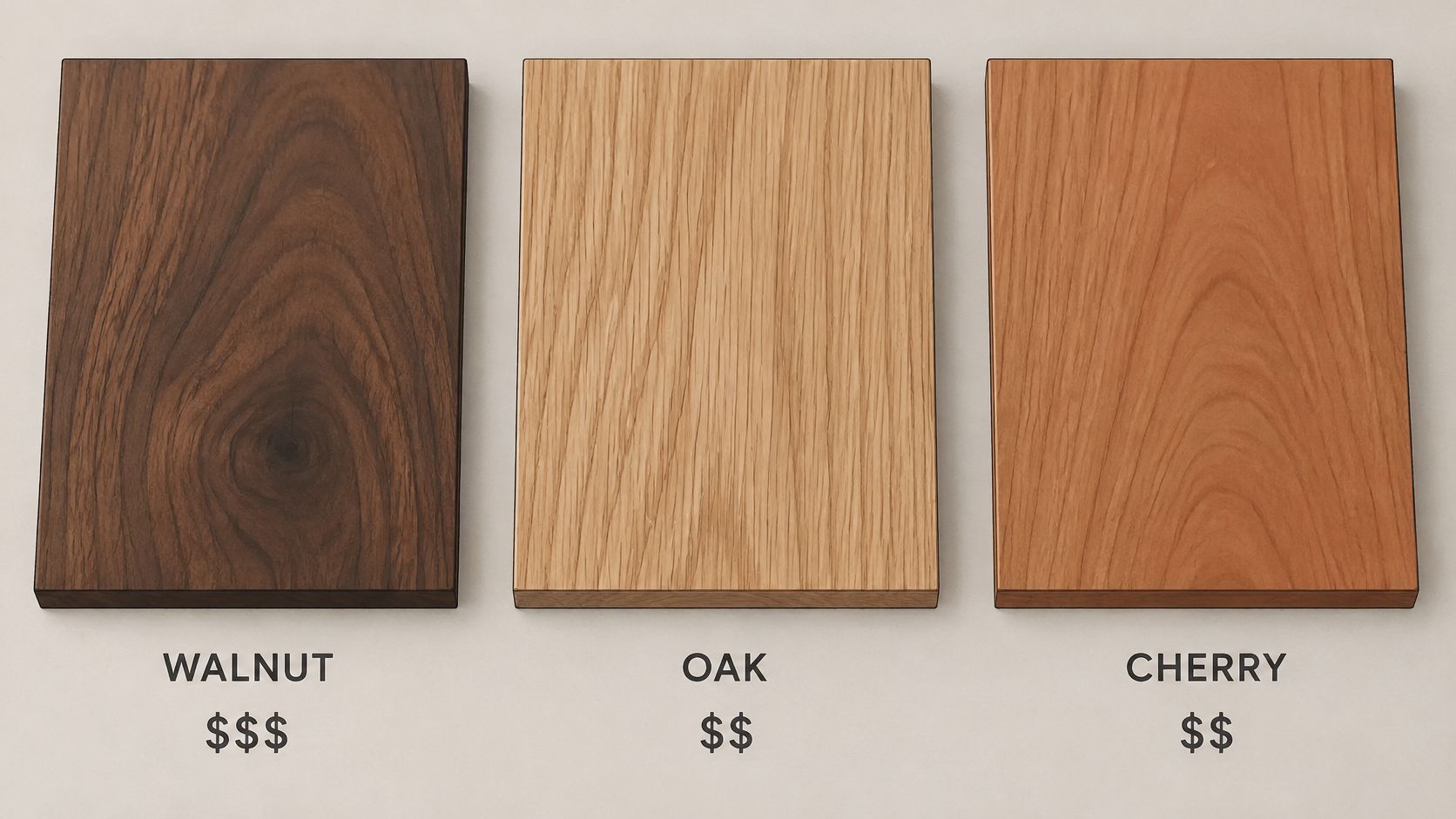
In a showroom, the differences become easier to understand. Cherry has a warm visual character, oak displays pronounced grain, and maple can offer a quieter, more uniform appearance. The weight of a solid cherry tabletop and the grain running across a drawer front make the material choice tangible.
The North American hardwoods guide can help shoppers compare those characteristics before choosing a stain. A dark finish doesn't turn one species into another, and a sample's grain matters as much as its color.
A veneered piece has a decorative wood surface over another material. Veneer isn't automatically evidence of poor construction, but it isn't the same specification as solid lumber, and the distinction should be explicit on the quote.
- Tabletop: Identify the material beneath the finish, including the edge.
- Drawer components: Distinguish the drawer front from the sides, bottom, and internal supports.
- Cabinet panels: Confirm which parts are solid lumber and which use another construction method.
The material premium is most meaningful when the buyer knows where the hardwood is used. A broad description such as wood construction doesn't provide enough information to compare competing offers.
Pro-Tip: The written quote should name the assumed species and identify whether each main component is solid wood, veneered, or engineered material.
Joinery and Craftsmanship Behind the Price
A drawer can look handsome when closed and reveal very little about its construction. Opening it exposes the joints, runners, and fit that help explain the labor behind the price.
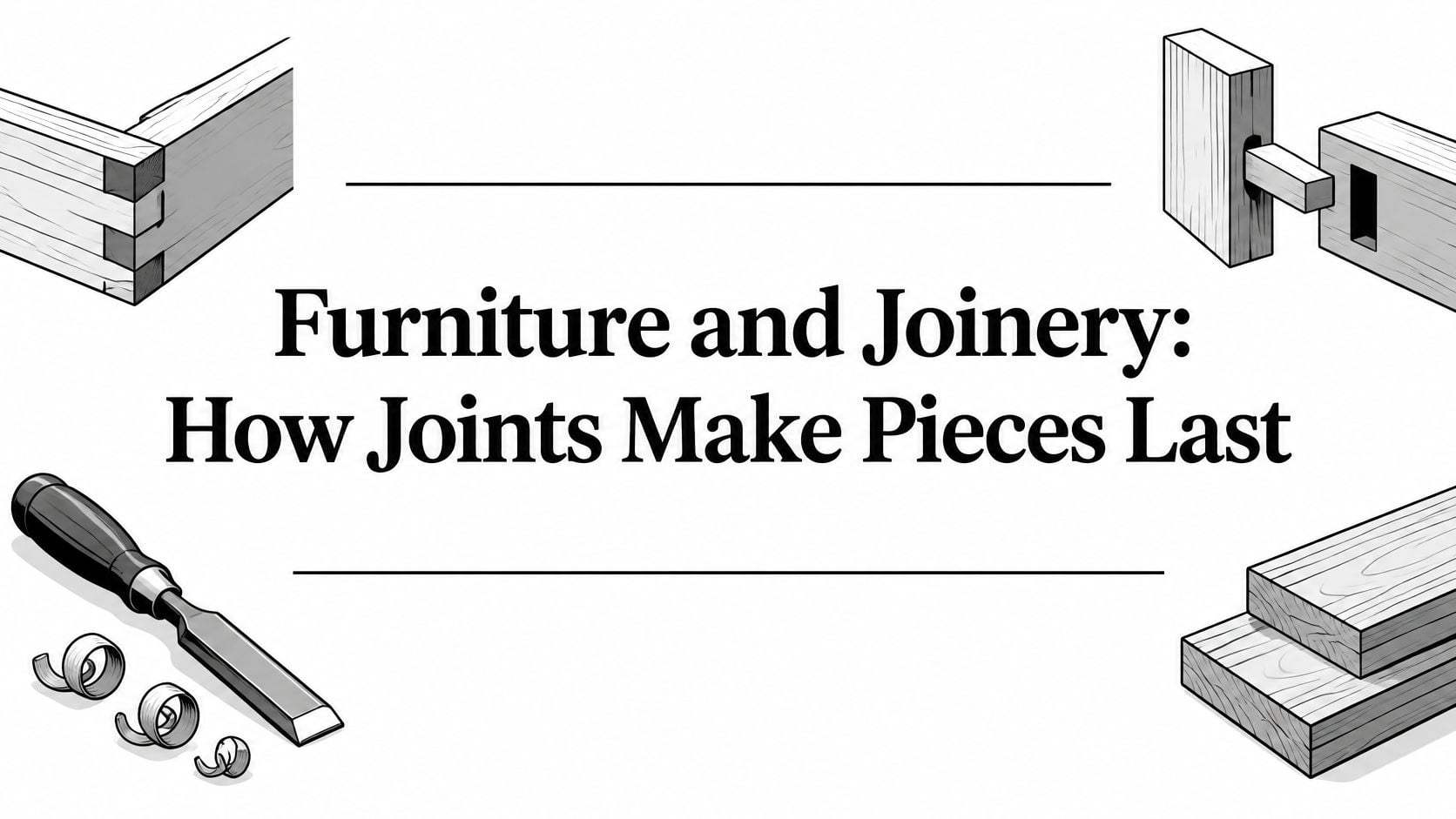
The furniture-quality guide identifies dovetail joints, mortise-and-tenon construction, and solid hardwood as meaningful details to inspect. Dovetails interlock drawer components, while mortise-and-tenon joints fit one wood member into a carefully cut opening in another.
What a showroom inspection can reveal
With a dovetailed drawer, the visible interlocking shapes should fit cleanly. Gaps, rough edges, or an uneven drawer box deserve an explanation. The presence of dovetails is useful information, but the quality of their execution still matters.
Mortise-and-tenon construction creates a broad wood-to-wood connection in suitable frame assemblies. The mortise-and-tenon construction guide explains the connection in more detail. A shopper can inspect accessible joints for a close fit and gently check a chair or table for unexpected movement without forcing it.
Drawer operation deserves its own test. A drawer should move evenly, without scraping, binding, or shifting awkwardly from side to side. The back of a case piece also warrants attention, including how the panel is attached and whether the cabinet remains square.
Repairability is part of the specification
Solid lumber provides material that can be sanded, repaired, and refinished when its condition and finish system allow. A thin decorative surface over a composite core offers less room for that work. This is a practical distinction between heirloom potential and appearance alone.
Tyner Furniture repairs or replaces a defective component rather than the entire product. That component-level approach helps buyers understand how a service issue may be handled, although the applicable coverage still needs to be clear.
Before payment, a useful construction checklist includes:
- Joint fit: Drawer corners and accessible frame joints are clean and closely fitted.
- Movement: Drawers travel smoothly, and frames don't show unexplained wobble.
- Service details: The buyer understands structural coverage, component service, and finish-care requirements.
For bedroom and dining furniture, material integrity and craftsmanship work together. Neither an attractive species nor a decorative finish can substitute for a well-built structure.
Customization Choices That Change Your Total
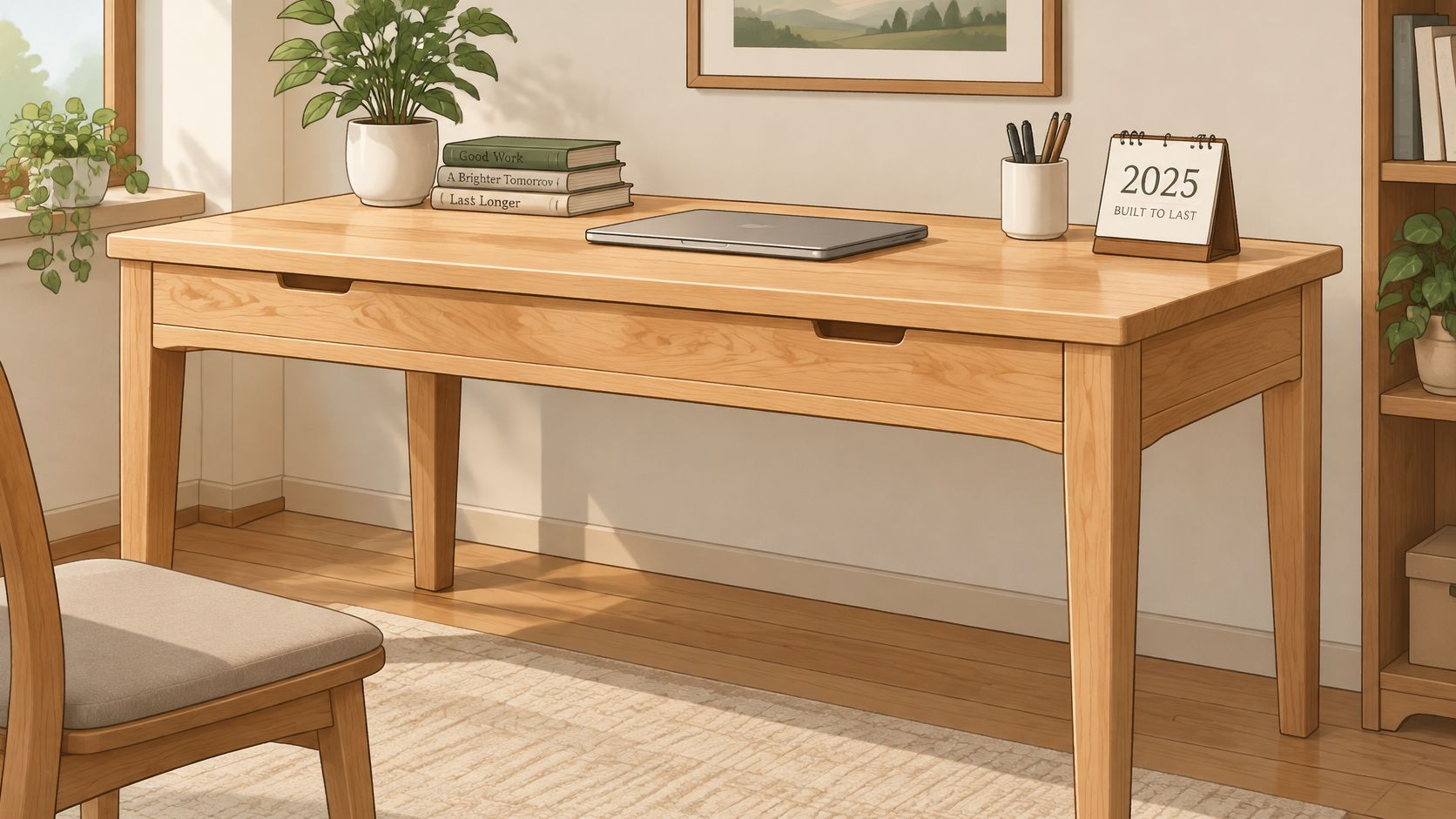
In-stock is just the beginning. A made-to-order piece can solve a real room problem, but every requested change should have a clear purpose. A custom depth that preserves a walkway may be worth more to a household than an ornamental detail.
The DutchCrafters cost guide explains that species, dimensions, joinery, finish, hardware, and customization affect pricing; it also notes that walnut generally costs more than oak or cherry because usable supply is more limited. Larger pieces require additional lumber and production work, while custom dimensions introduce setup and design labor.
Read the options in quote order
| Specification | Practical question | Trade-off |
|---|---|---|
| Wood species | Which grain and natural color suit the room? | Material preference versus budget |
| Dimensions and leaves | What size works daily and for gatherings? | Useful capacity versus added material and complexity |
| Finish | Is the finish standard or an upgrade? | Desired appearance versus additional finishing work |
| Hardware | Which runners, hinges, and pulls are included? | Function and feel versus option cost |
| Upholstery | Which fabric or leather grade is specified? | Texture, care needs, and quoted price |
| Delivery | What service is included? | Complete installed cost versus furniture-only price |
For example, a dining table may need expansion leaves for occasional gatherings, but not a custom length for everyday use. Keeping standard dimensions while adding the right expansion mechanism can be a more purposeful choice than changing every available detail.
Finish selection also deserves an actual sample. A stain that looks muted on a screen may look richer under the room's lighting. Hardware should be tested by hand, particularly on furniture that will be opened repeatedly throughout the day.
Customization beyond Amish furniture
The showroom's Custom Order option extends to other collections, without making those collections Amish-made. Canadel's bespoke dining styles offer thousands of combinations across features such as leg styles, table edges, finishes, and distress levels.
Stressless seating provides a different kind of personalization through Small, Medium, and Large sizing. That ergonomic choice concerns body fit and support, not the appearance of a recliner. Fabrics and top-grain leathers add another tactile decision, including the buttery feel of leather compared with the texture of woven upholstery.
Delivered items are assembled and set up, and packaging materials are removed. That service belongs in the comparison rather than being treated as an afterthought.
A useful comparison keeps dimensions and construction unchanged while the seller prices alternative species or finishes. The difference then has a recognizable cause.
Why Cost per Year Beats Sticker Price
Cost per year starts with the purchase price divided by realistic years of service. A fuller calculation includes known delivery, maintenance, and repair expenses in the total before dividing. It's a planning method, not a guarantee of lifespan.
A published solid-maple and MDF comparison uses a $2,697 solid-maple set over 50 years, approximately $54 annually, against an $800 MDF set over seven years, approximately $114 annually. Those assumed service lives explain the result; the arithmetic doesn't prove that every piece in either material will perform that way.
Published ownership examples
A separate sideboard lifecycle comparison uses a $1,562.99 reclaimed-wood sideboard over 40 years, about $39 annually, versus eight $400 purchases over the same period, totaling $3,200, or about $80 annually.
Cost per year for durable and short-lived furniture
| Option | Purchase cost | Expected service life | Approx. cost per year |
|---|---|---|---|
| Solid-maple furniture set | $2,697 | 50 years | about $54 |
| MDF furniture set | $800 | 7 years | about $114 |
| Reclaimed-wood sideboard | $1,562.99 | 40 years | about $39 |
| Mass-produced sideboard replaced every 5 years | $3,200 total, 8 purchases at $400 | 40 years | about $80 |
These are published illustrations before maintenance, not promised outcomes. Furniture condition, household use, care, and continued suitability all influence how long an owner keeps a piece.

Longevity must fit the household
For Ann Arbor and Southeast Michigan households, an heirloom investment makes sense only if the piece remains useful through changing rooms and routines. A substantial dining table may serve a family well, but a configuration that won't fit a likely next home deserves a more conservative ownership estimate.
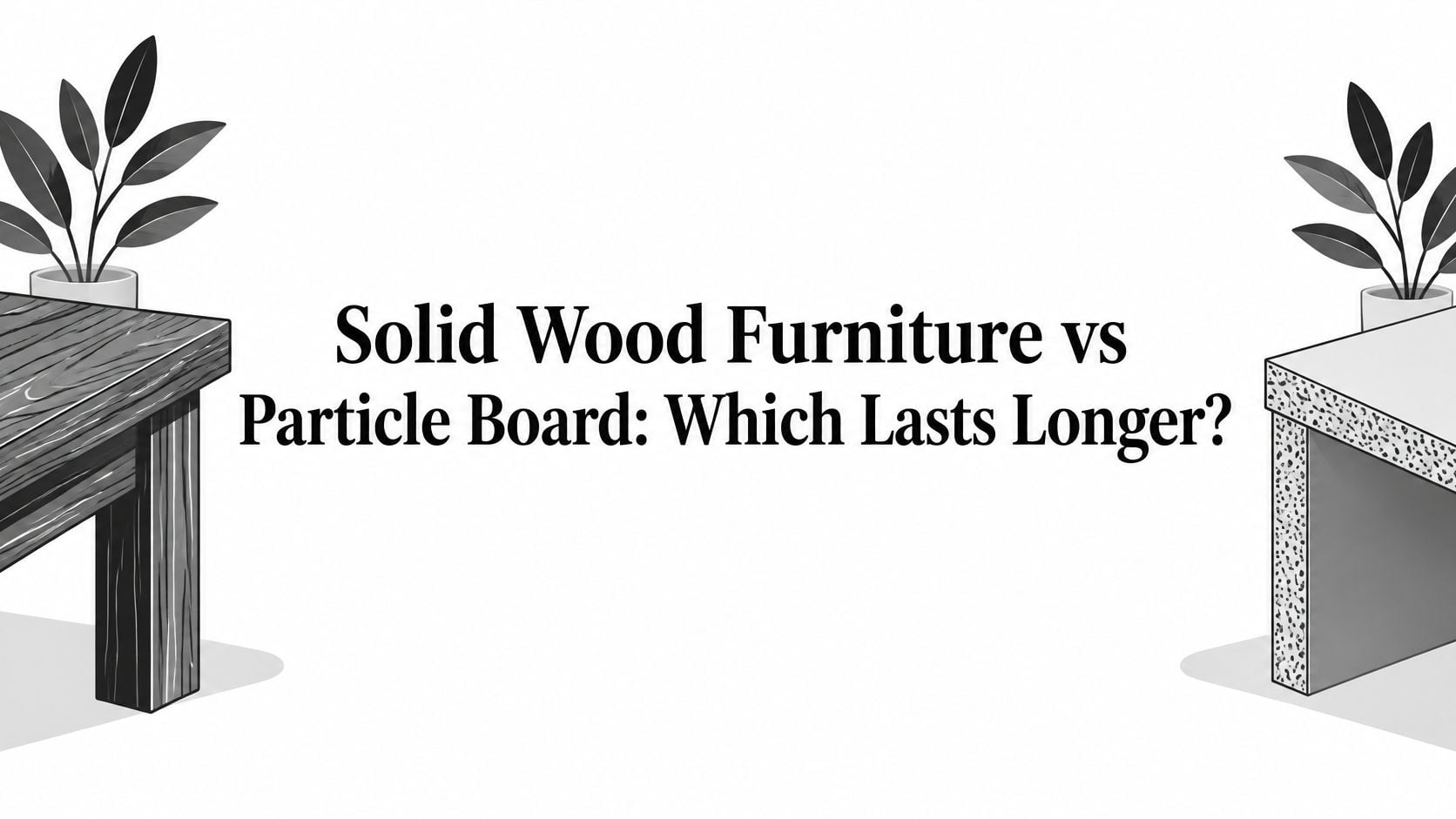
The solid wood versus particleboard comparison provides additional material context. Neither material selection nor a high price removes the need to evaluate actual construction and care.
- Use a realistic horizon: Base the estimate on likely ownership, not the longest imaginable lifespan.
- Include known expenses: Add delivery and anticipated care or repair costs consistently.
- Consider continued usefulness: Storage, proportions, and adaptability affect whether the piece stays in service.
A sustainable purchasing decision also considers whether the household can maintain and continue using the furniture. For shortlisted pieces, the most useful calculation pairs cost per year with a candid assessment of fit, care, and likely future needs.
Reading a Quote Before You Commit
Suppose a household receives different prices for what appears to be the same dining table. The lower quote leaves the finish unspecified, excludes leaves, and doesn't include delivery. The prices aren't yet comparable, even if the photographs look identical.
The bedroom-set pricing guide includes five-piece examples around $6,048–$12,550 and cites custom-order lead times often around 8–12 weeks after confirmation. These are examples and quoted guidance, not a local delivery commitment or proof that the higher-priced set is better.
A written quote audit
The furniture price, selected upgrades, and logistics should appear separately. A useful written specification includes:
- Materials: Which components are solid wood, veneered, or engineered.
- Lumber preparation: How the wood was kiln-dried and acclimated before construction.
- Configuration: Exact dimensions, included pieces, leaves, storage features, and hardware.
- Finish coverage: The finish identification, care requirements, and applicable warranty.
- Delivery scope: Charges, setup, access requirements, and any services excluded.
- Order protections: The process for damage, an incorrect specification, or a custom item that doesn't fit.
- Timing: The estimated production and delivery schedule for the confirmed order.
Room measurements belong beside the specification. Door openings, stair turns, and the route into the room can matter as much as the final furniture footprint.
A higher quote deserves scrutiny too
The most expensive proposal may contain upgrades the household doesn't need. An elaborate finish or premium species can be a valid preference without being necessary for the furniture's intended job.
For another perspective on separating scope, allowances, and exclusions, Trademaster Construction's what to check before signing offers a useful companion resource. It concerns remodeling rather than furniture, but the written-scope discipline is relevant to both purchases.
Tyner Furniture's Low Price Promise includes matching a local competitor's lower price on the same product on the spot; it also offers guaranteed lowest prices on furniture procured for design projects. The meaningful comparison is the same product and specification, with included services clearly identified.
Before signing: Each seller should receive the same written specification. Line-by-line comparison is more reliable than comparing headline totals.
Plan Your Amish Purchase at the Ann Arbor Showroom
A manageable monthly payment and good long-term value are related, but they aren't interchangeable. Financing affects the payment schedule; construction, suitability, and care affect the ownership decision.
The showroom offers Special Financing with approved credit. Its promotional financing guide explains that a genuine 0% APR offer generally charges no interest during a specified promotional window, while approval may involve credit review, income assessment, debt-to-income analysis, and lender-specific criteria.
Keep the payment terms visible
Promotional language shouldn't replace the actual agreement. Deferred-interest provisions, required payments, expiration rules, and other charges can change what the buyer owes.
- Promotional period: Establish when the offer starts and ends.
- Payment schedule: Confirm the payments required to satisfy the agreement.
- Approval conditions: Identify the requirements that apply to the specific application.
- Total repayment: Check the full amount owed and what happens if the promotional conditions aren't met.
The showroom team can confirm which financing terms apply to a selected piece or custom order. A household can then compare monthly affordability with its ownership estimate without assuming financing reduces the furniture's underlying cost.
Make the visit practical
The selection extends from Home Office to Outdoor Spaces, alongside Living Room, Bedroom, Dining Room, Entertainment, Mattresses, and Amish Furniture. That breadth helps households consider interior design across adjoining spaces rather than choose an isolated piece that doesn't suit the rest of the home.
The Ann Arbor Amish furniture guide offers a starting point before a showroom visit. Room dimensions, photographs, finish preferences, and a list of required functions help turn browsing into a focused conversation.
At the South State St. showroom, a sit test can establish whether a dining chair supports comfortable meals and whether a recliner fits its intended user. The weight of a solid tabletop, the feel of its edge, and a smooth drawer glide provide information that an online photograph can't.
Online Quick Specs for special orders can help narrow the choices before visiting. The local legacy dating to 1957 supports a patient approach: understand the room, compare the specification, and select a piece suited to the household.
Hand-crafted solid-wood Amish furniture, customizable options, and practical purchasing guidance are available at Tyner Furniture. Visit the South State St. showroom in Ann Arbor for a sit test with room measurements and a shortlist, or browse the online Quick Specs for special orders before discussing a written quote.