North American Hardwoods: A Guide to Heirloom Furniture

A lot of furniture shopping starts the same way in Ann Arbor. Someone walks into a showroom or opens a dozen browser tabs looking for a dining table, a bedroom set, or a desk for a home office, and within minutes the choices start to blur together. Oak, maple, cherry, walnut. Solid wood, veneer, engineered panels. Light stain, dark stain, natural finish. It's exciting, but it can also feel like a lot to sort through when the goal isn't just to fill a room, but to choose something that will still feel right years from now.
That's where wood matters most. The species under the finish shapes how a piece looks, how it wears, how it ages, and how it fits into daily life in Southeast Michigan. A solid dining table in a busy family home has different demands than a made-to-order desk in a quiet study, and the right hardwood helps that furniture earn its keep over time. For shoppers thinking in terms of cost-per-year, the conversation shifts away from a quick purchase and toward durability, craftsmanship, and long-term value.
A store with a local legacy since 1957 understands that difference. Furniture isn't only about what's in stock today. It's also about the heirloom piece that will host holiday dinners, hold up through moves, and still feel substantial when a hand rests on the edge of the table years later. That's the promise behind hand-crafted solid wood furniture, and it starts with learning the character of North American hardwoods.
Choosing Your Forever Furniture Starts with the Wood
A common scene plays out on South State St. A couple comes in looking for a dining set because the old one wobbles, the finish is tired, and one chair has already been repaired more times than anyone cares to admit. They don't want another short-term fix. They want something their family can grow with.
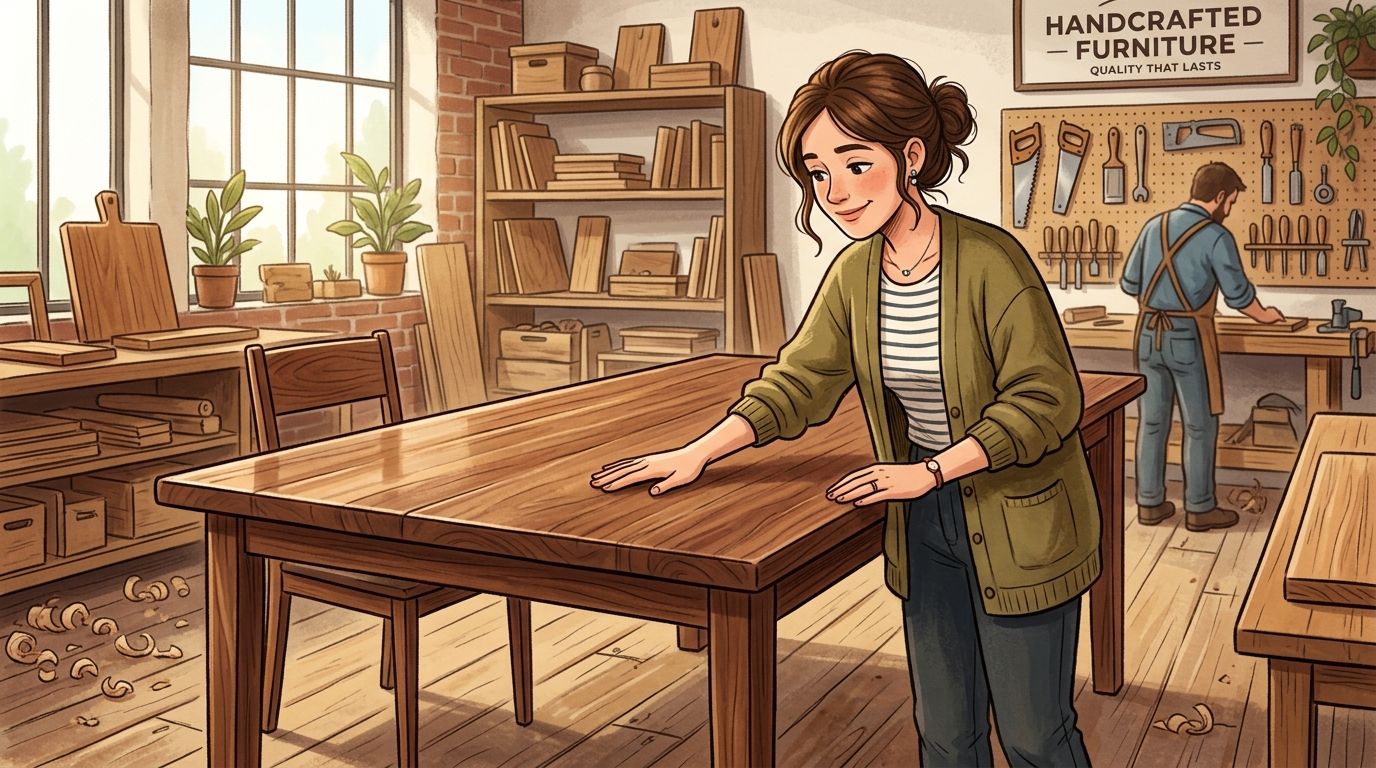
That kind of shopper usually isn't asking only, “What looks nice?” They're asking better questions. Which wood handles everyday bumps? Which finish will still feel at home after a remodel? Which table becomes part of family life instead of getting replaced after a few seasons? Those are the questions that lead to real value.
Why wood choice changes the whole purchase
A piece can have a beautiful silhouette, but if the material underneath isn't built for the long haul, the investment feels very different over time. Cost-per-year is a helpful way to think about it. A well-made solid wood table that serves faithfully for many years usually delivers more value than a lower-grade alternative that needs replacing when joints loosen, surfaces chip, or tops sag.
For homeowners comparing wood choices across rooms, practical reading from outside the furniture world can help too. Templeton Built offers thoughtful advice for homeowners on laundry cabinetry wood, and the same core lesson applies here. Different woods respond differently to wear, moisture, daily handling, and the visual demands of a room.
The first decision is rarely about style alone
Solid wood has a presence that's hard to mistake. There's the weight of a chair when it's pulled back from the table, the grounded feel of a cherry dresser drawer, and the quiet confidence of hand-crafted joinery that doesn't rack and twist under normal use.
Practical rule: If a bedroom or dining piece is meant to become an heirloom, the wood species deserves as much attention as the finish color.
Mass-produced alternatives often hide weaker cores behind a polished surface. By contrast, Amish hand-crafted furniture puts the material front and center, especially in dining and bedroom collections where solid wood integrity and honest joinery matter most. Readers wanting a broader primer can continue with this guide to choosing the right hardwood for longevity and style.
Understanding Wood Grain Hardness and Character
Most confusion starts with two terms. Grain and hardness. Once those are clear, the rest of the conversation gets much easier.
What grain actually tells a shopper
Wood grain is the visible pattern in the board. Some species have bold, obvious lines and texture. Others look smoother and more uniform. That pattern affects both appearance and feel.
Think of open grain like textured linen. It has depth, pores, movement, and a more pronounced natural pattern. Oak often gives that impression. Closed grain feels more like smooth cotton or silk. Maple and cherry tend to look calmer, finer, and more even across the surface.
That difference matters in a room. A strongly grained table announces itself. A smoother-grained dresser or desk tends to feel quieter and more refined.
Grain influences style and maintenance
- Open-grain woods often suit traditional, rustic, farmhouse, and craftsman-inspired interiors because the wood's natural figure becomes part of the design.
- Closed-grain woods usually fit modern, transitional, and formal spaces where a cleaner surface appears more refined.
- Visible variation gives a piece personality. That can be a strength when a shopper wants natural character instead of a uniform factory look.
What hardness means in everyday life
The Janka Hardness Scale is a common way woodworkers compare how resistant a wood is to denting and wear. For most shoppers, the number isn't the point. The practical takeaway is simpler. Harder woods generally stand up better to chair bumps, dropped keys, toy impacts, and the repeated traffic of daily life.
That doesn't mean the hardest wood is always the best choice. A family choosing a dining table may care most about dent resistance. Someone furnishing a formal bedroom may care more about graceful aging, color, and the way the wood takes a finish.
Hardness answers one question. Character answers another. The right furniture choice usually needs both.
Why solid wood still sets the standard
Solid wood furniture can often be refreshed, repaired, and refinished in ways that mass-produced veneer and particleboard pieces can't. That's a major reason solid wood remains the benchmark for bedroom and dining furniture meant to last. In Amish hand-crafted pieces, the value isn't only the board itself. It's also the joinery. Dovetails, mortise-and-tenon construction, and careful fitting create a structure that works with the wood instead of fighting it.
Features that matter in real ownership
- Repairability: Surface wear on solid wood can often be addressed without replacing the whole piece.
- Material integrity: The visible face and the core are the same material, which creates a more honest, durable build.
- Aging potential: Solid wood develops patina and character instead of looking worn.
- Long-term confidence: A substantial piece tends to stay useful through changing layouts, paint colors, and interior design updates.
The Enduring Strength of Oak and Hickory
Some woods are natural workhorses. In the world of North American hardwoods, oak and hickory often rise to the top when a household wants furniture that can take real use and still look grounded and handsome years later.
Oak feels familiar for good reason
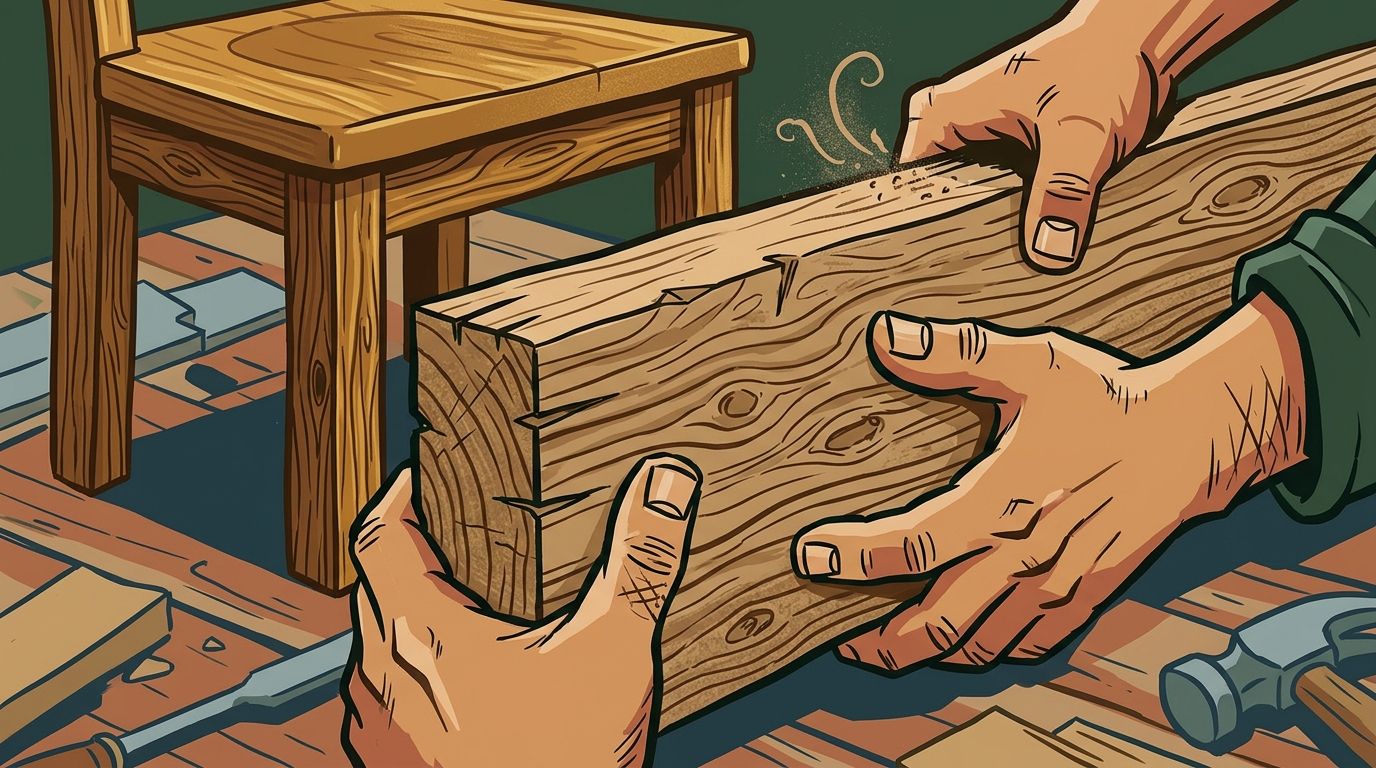
Oak has long been a favorite for dining tables, chairs, hutches, and bedroom furniture because it brings two things people recognize right away. Strength, and a visible grain that feels rooted and honest. Red oak and white oak each have their own nuances, but both carry that unmistakable texture that gives furniture a sense of structure.
In a room, oak doesn't whisper. It speaks clearly. The grain rolls across a tabletop in a way that catches light, and under the hand the surface often feels more expressive than smoother woods. That's one reason oak works so well in homes where furniture should feel lived-in, welcoming, and dependable.
For shoppers who enjoy learning how different wood species behave across interiors and finishes, Flacks Flooring offers our guide to wood species that complements the furniture perspective well.
Why oak suits busy homes
- Traditional visual strength: Oak anchors a room and pairs comfortably with many design styles found across Southeast Michigan homes.
- Good stain flexibility: It usually accepts a wide range of finish directions, from lighter natural looks to deeper, richer tones.
- Everyday resilience: It's a sensible fit for tables and chairs that see steady use.
A family dining room in Ann Arbor often asks a lot from furniture. Homework happens there. So do takeout nights, birthdays, and holiday meals. Oak fits that rhythm because it doesn't feel precious, yet it still carries unmistakable craftsmanship when shaped into hand-crafted Amish furniture.
Hickory brings muscle and movement
Hickory is often the choice for shoppers who want maximum toughness along with vivid natural character. Its grain contrast tends to be more dramatic than oak, with shifts in tone that can give a board a lively, almost rugged personality. That makes hickory especially appealing in homes that lean rustic, lodge-inspired, or want furniture with more visual motion.
The practical side matters too. Hickory has a reputation for being one of the harder North American hardwoods used in furniture, which makes it attractive for high-use pieces. Chairs slide. Kids lean back. Bags drop onto table tops. Hickory is the kind of wood that meets that activity with confidence.
A wood doesn't need to look delicate to be beautiful. Hickory proves that strength and character can live in the same board.
How these woods perform as heirloom investments
Oak and hickory both reward shoppers who think beyond the first impression in the showroom. Over years of ownership, durability becomes part of the beauty. The more substantial the use, the more that material choice matters.
Best fits for oak and hickory
- Dining tables: Strong candidates for gathering spaces that host daily meals and celebrations.
- Kitchen and dining chairs: Good choices where repeated movement and contact are constant.
- Bedroom case goods: Suitable for dressers, chests, and nightstands that should feel sturdy and substantial.
Shoppers interested in furniture built around hickory's sturdy personality can explore Hickory Craft furniture for ideas on how durability and comfort come together in living spaces. Even when in-stock options provide a strong starting point, custom finishes and made-to-order details can shift these woods from traditional to more personalized looks. That's especially useful for households balancing heritage style with updated interior design.
The Refined Beauty of Cherry and Walnut
Some hardwoods don't lead with ruggedness. They lead with depth, warmth, and a kind of quiet authority. Cherry and walnut belong in that camp. They're often the woods that turn a desk into a focal point, a bedroom into a retreat, or a dining room into a space that feels more composed the moment someone walks in.
Cherry gains richness with time
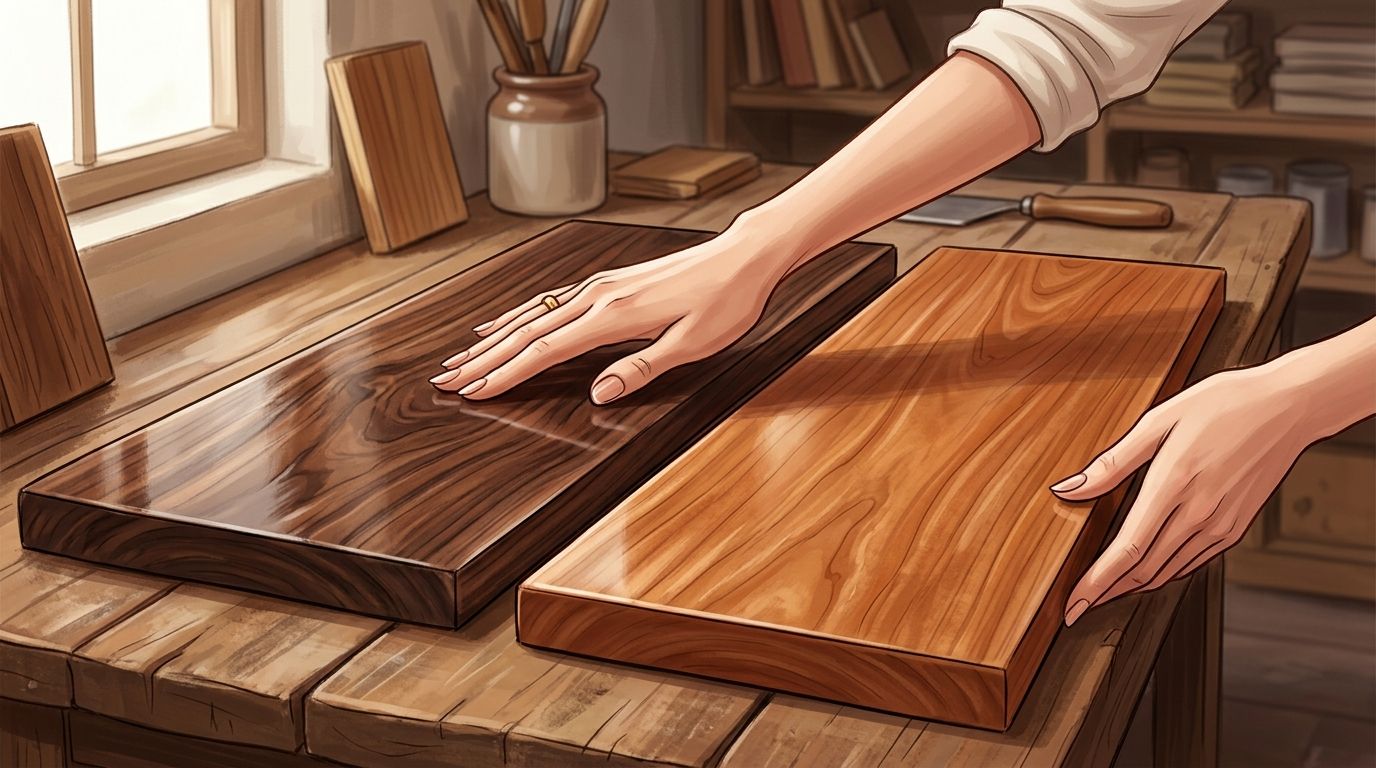
Cherry has a smooth, close grain that gives it an elegant surface from the start. Fresh cherry often carries a lighter reddish warmth, but what draws many furniture buyers to it is the way it matures. With time and light exposure, the color deepens into a more burnished, settled tone.
That aging process is one of cherry's great virtues. Instead of fighting time, cherry often seems to cooperate with it. A cherry bedroom set or dining piece can feel more personal as the years pass because the wood develops a patina that reflects lived experience. In heirloom furniture, that's not a flaw. It's part of the appeal.
Cherry often works best in these spaces
- Bedrooms: Its refined surface and warming tone create a calm, settled atmosphere.
- Formal dining rooms: Cherry supports classic styling without feeling stiff.
- Home offices: Desks and bookcases in cherry feel polished and lasting.
Walnut makes a statement without excess
Walnut occupies a different emotional register. Where cherry glows, walnut grounds. Its natural color tends toward deep brown tones, often with variation that gives the wood depth and subtle drama. In a room with lighter walls, walnut can provide the kind of contrast that instantly sharpens the whole design.
That's why walnut frequently appears in executive desks, statement dining tables, and bedroom pieces intended to anchor the room. It doesn't need much visual help. The material itself carries the design.
Homeowners considering cabinetry or coordinated room tones may also enjoy these walnut cabinet design ideas, especially when trying to picture how dark wood can warm a space rather than make it feel heavy.
Dark wood works best when the room gives it room to breathe. Walnut rewards thoughtful lighting, balanced textiles, and surrounding finishes that let the grain show.
Why shoppers choose these woods for heirloom rooms
Cherry and walnut rarely read as casual choices. They usually appeal to buyers who want furniture to do more than serve a function. They want the piece to shape the room's mood.
A cherry chest in a primary bedroom can soften a space with warmth. A walnut desk in a home office can create focus and presence. In both cases, the wood contributes to the daily experience of ownership in a way that engineered substitutes rarely can.
What makes them strong long-term investments
- Visual maturity: These woods often look better as they settle into the home.
- Distinct identity: Each species brings a recognizable character rather than a generic wood look.
- Heirloom presence: They suit furniture meant to be kept, moved, and appreciated over generations.
For households in Southeast Michigan restoring older homes or furnishing newer builds with a sense of permanence, cherry and walnut often bridge that gap between craftsmanship and interior design beautifully.
The Bright Versatility of Solid Maple
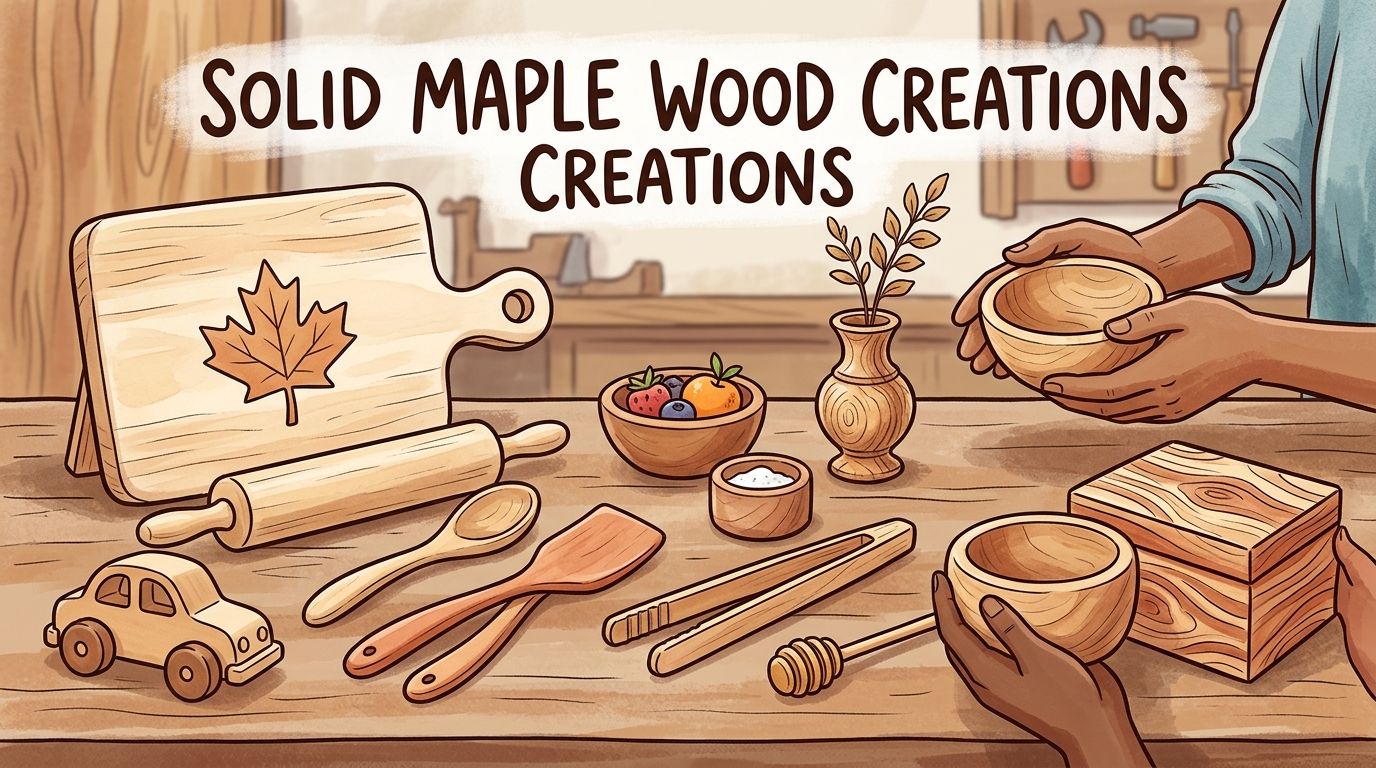
Maple earns attention for a different reason. It's adaptable. In the family of North American hardwoods, solid maple often acts like a chameleon, taking on different personalities depending on the finish, the form, and the room around it.
Maple starts clean and calm
Natural maple usually appears light, creamy, and understated. Its grain is finer and less assertive than oak, which gives it a smoother visual field. That calm surface is a big reason maple works so well in interiors that want brightness without blandness.
In a breakfast nook, maple can keep the room feeling open. In a dining room, it can support either a modern profile or a more traditional form without taking over. That flexibility matters for shoppers who know they want solid wood but haven't settled on a final finish direction.
Finish choices can change maple dramatically
Maple is often chosen by shoppers who want room to personalize. A light finish keeps it airy and fresh. A deeper stain can pull it toward a more formal look. Because the grain isn't overly bold, the finish reads cleanly, which helps maple move between design styles with ease.
That makes it especially useful in made-to-order dining furniture, where details like edge shape, leg profile, chair style, and stain color all work together. Canadel is a strong example of this customization edge. Its bespoke dining collections use solid maple in ways that let shoppers personalize finishes and configurations for their exact space, whether the room leans contemporary, transitional, or classic.
Maple is often the right answer for the shopper who wants solid wood character without being locked into a single visual mood.
Where maple shines in everyday homes
Maple suits households that want a practical hardwood with a clean look and broad design range. It also plays well with color updates over time. If paint, rugs, or wall tones change, maple usually keeps up.
Maple strengths at a glance
- Subtle grain: Helpful for cleaner, more refined interiors.
- Bright natural tone: Supports lighter rooms and open-feeling spaces.
- Bespoke finishing potential: A strong candidate for custom stains and made-to-order dining collections.
- Family-friendly style range: Comfortable in casual kitchens, formal dining rooms, and even home office furniture.
Shoppers weighing maple for dining seating can browse examples of maple wood dining chairs to see how this species balances simplicity with hand-crafted substance. It's a practical wood, but never a plain one.
Comparing Hardwoods for Your Southeast Michigan Home
A side-by-side view often makes the decision clearer, especially when shoppers are matching wood choice to how a room gets used.
North American Hardwood Comparison
| Wood Species | Janka Hardness (Higher is Harder) | Grain Pattern | Natural Color | Best For |
|---|---|---|---|---|
| Oak | Hard and durable | Pronounced, open grain | Warm tan to medium brown | Family dining rooms, chairs, mission-style looks |
| Hickory | Very hard | Bold, varied grain | Light to medium tones with strong contrast | High-use tables, rustic interiors, active households |
| Cherry | Moderately hard | Smooth, closed grain | Warm reddish tones that deepen with age | Bedrooms, formal dining, classic home offices |
| Walnut | Moderately hard | Refined grain with rich variation | Deep brown tones | Statement desks, elegant dining rooms, sophisticated bedrooms |
| Maple | Hard and smooth | Subtle, uniform grain | Creamy white to light brown | Bespoke dining, bright interiors, transitional spaces |
Matching wood to local living
In Ann Arbor and across Southeast Michigan, lifestyle often matters more than trend. A busy household with children, pets, and constant use usually benefits from oak or hickory in the dining room. A quieter study or guest room may be better served by the calm polish of cherry or walnut. Maple often lands in the middle for buyers who want brightness, versatility, and a made-to-order feel.
For shoppers focused on solid construction, this overview of American-made solid wood furniture adds useful context about what material integrity looks like in real furniture.
Quick matching guide
- For active family dining: Oak or hickory.
- For a warm, heirloom bedroom: Cherry.
- For a tailored office or formal room: Walnut.
- For a flexible, lighter interior design plan: Maple.
Bringing Your Vision to Life at Tyner Furniture
Good furniture decisions rarely come from wood samples alone. They come from matching the right material to the right household, then shaping the details so the piece belongs in the home for the long haul. That's where the practical side of shopping matters just as much as the craft.
Since 1957, Tyner Furniture has served Southeast Michigan with that long view in mind. The company offers Amish hand-crafted solid wood furniture for dining rooms and bedrooms, along with made-to-order options that let shoppers choose wood species, finishes, and room-fitting details through custom Amish furniture. In-stock pieces can get a shopper started, but they're only the beginning. Customization opens the door to bespoke results that fit a home rather than forcing a home to fit the furniture.
The details that lower the stress of buying well
Furniture shopping can feel overwhelming because buyers are making several decisions at once. Material, scale, comfort, color, and budget all intersect. A thoughtful showroom experience helps by putting those choices in human terms.
What often matters most at the decision stage
- Material integrity: Solid wood construction and joinery for long-term durability.
- Customization edge: Finish, fabric, and configuration choices, including Canadel dining options and ergonomic Stressless seating in custom sizes.
- Whole-home selection: Rooms don't exist in isolation. A shopper may start with a dining table and also need pieces for the Home Office or Outdoor Spaces.
- Ease of purchase: Special Financing and a Low Price Promise can make a high-quality investment easier to plan for.
The right furniture purchase should feel settled, not rushed. When the wood, joinery, and scale all make sense, confidence usually follows.
The difference shows up in use. A solid cherry table has a certain weight under the hand. A maple chair has a clean, steady feel when pulled out. The buttery feel of top-grain leather on a recliner or the posture support of an ergonomic seat rounds out the room in ways that online swatches can only hint at. That's why a physical showroom still matters.
A visit to Tyner Furniture gives shoppers a chance to do the sit test in the Ann Arbor showroom on South State St., compare North American hardwoods in person, and browse online Quick Specs for special orders before choosing a hand-crafted, heirloom-quality investment for the home.