Your Guide to the Track Arm Sofa and Its Timeless Style

A Track Arm Sofa has straight, squared-off arms, and many well-made versions are built around 20 to 24 inch seat depth, 18 to 21 inch seat height, and roughly 37 to 42 inch overall depth. That means this style usually gives a cleaner look and a more supportive sit, but comfort depends on how much inside seat space the arms leave.
A lot of shoppers in Ann Arbor and across Southeast Michigan start in the same place. They scroll through page after page of sofas, see terms like rolled arm, slope arm, tuxedo, shelter, and track arm, and realize the hardest part isn't choosing a color. It's figuring out what those shapes will feel like in practice on a Tuesday night with a blanket, a dog, and a too-small living room.
That's where this style tends to stand out. A track arm sofa looks simple, but the details matter. The arm shape changes how roomy the seat feels, how easy the piece is to place, and how the edges may wear over time in a busy home.
Since 1957, Tyner Furniture has been part of the local legacy of furnishing homes throughout Southeast Michigan, from living rooms and home offices to bedrooms and outdoor spaces. This guide keeps the focus where it belongs: helping a shopper understand the design, the comfort tradeoffs, and the long-term value so the final choice feels confident, not rushed.
Table of Contents
- Your Guide to Choosing the Perfect Sofa
- What Defines a Track Arm Sofa
- Sizing and Real World Comfort Considerations
- Construction Quality and Custom Upholstery
- Styling and Placing Your Track Arm Sofa
- Finding Your Forever Sofa at Tyner Furniture
Your Guide to Choosing the Perfect Sofa
Furniture shopping often starts with a practical need. A family wants better seating for movie night. A renter wants one polished piece that makes an apartment feel finished. A homeowner wants to replace a worn sofa with something that looks tailored but still feels welcoming.
Then the jargon shows up.
A shopper may know right away that one sofa looks bulky and another looks sleek, but the reason isn't always obvious. The arm shape does a lot of that work. A rolled arm brings softness and tradition. A slope arm feels relaxed. A track arm sofa reads cleaner, sharper, and usually more architectural.
That difference isn't just about looks. It affects how much room the sofa appears to take up, how easy it is to pair with existing furniture, and whether the seat feels generous or a little tighter than expected.
A good sofa choice usually comes down to three things at once: how it fits the room, how it supports the body, and how it holds up to ordinary life.
For shoppers who feel stuck between style and practicality, a detailed buying roadmap can help narrow the field before setting foot in a store. Tyner's ultimate sofa buying guide for your living room offers a useful starting point for thinking through room size, use patterns, and comfort needs.
There's also a reason local guidance matters. Homes around Ann Arbor vary widely. One shopper may be furnishing a compact condo. Another may be working with a larger family room in a forever home. The same track arm sofa can feel smart and efficient in one setting, or too tight in another, depending on the build.
That's why the smartest approach isn't to ask whether a track arm sofa is “good.” It's to ask what kind of track arm sofa fits the way the household lives.
What Defines a Track Arm Sofa
How to recognize the silhouette
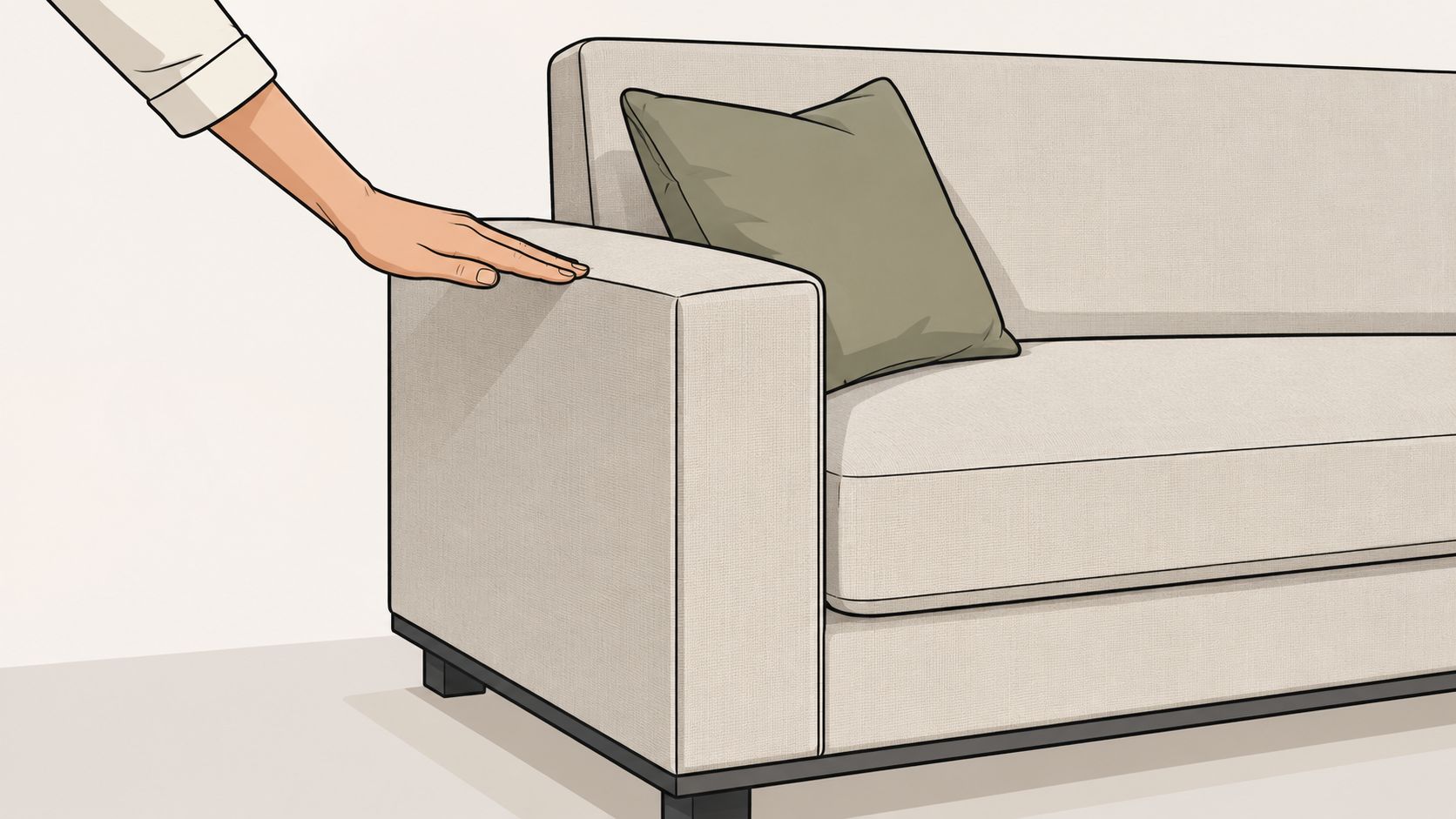
A track arm sofa is defined by a mostly straight, squared-off arm profile with a flat or slightly softened top. The arm doesn't curl outward like a rolled arm, and it doesn't sweep down in a long curve like a slope arm. It reads more like a rectangle attached to the side of the seat.
That simple geometry is why so many people describe the style as clean-lined. The edges look orderly. The profile feels neat. In a room full of visual activity, that restraint can be calming.
A quick way to tell the difference:
- Rolled arm: rounded, fuller, and more traditional in appearance
- Slope arm: gently angled, often softer and more casual
- Track arm: straight, square, and visually crisp
For shoppers trying to place the style historically, the roots are modern. Track arm sofas are a modernist offshoot of 20th-century furniture design, tied to early modernism and the move toward stripped-down, functional forms. Their identity comes from straight, squared lines rather than the more upholstered look associated with older rolled-arm traditions, as noted in this overview of sofa arm styles and modern design history.
Why the style feels so current
A track arm sofa still feels fresh because its shape works with several interiors at once. It suits minimalist rooms, but it also slips comfortably into transitional spaces where a home mixes older wood furniture, layered textiles, and cleaner upholstery.
That versatility matters in real homes. A family might have a hand-crafted dining set, a traditional area rug, and newer lighting. A sofa with too much ornament can clash. A track arm often acts like a bridge piece.
For anyone sorting through style direction, this comparison of contemporary vs traditional design styles can help clarify why a track arm sofa often lands in the sweet spot between refined and livable.
Practical rule: If the arms look like they were drawn with a ruler, there's a good chance the shopper is looking at a track arm sofa.
That doesn't mean every track arm feels the same. Some are slim and sharp. Others are padded and softer to the touch. The outline may stay modern, while the comfort level shifts dramatically depending on cushion depth, arm width, and upholstery.
Sizing and Real World Comfort Considerations
Where shoppers get tripped up
The most common mistake with a track arm sofa is focusing on the outside measurement and ignoring the inside one. Because the arms are structural and squared, a wide track arm can reduce interior seat width by several inches, which is why buyers are advised to check inside seating dimensions rather than relying only on overall width in this guide to what a track arm sofa is.
That sounds minor on paper. In daily life, it changes everything.
A sofa can look generously sized from across the room and still feel snug once two adults sit side by side. That's especially true when the arms are broad and heavily padded. The piece may still be beautiful, but it won't necessarily feel roomy.
A useful way to judge comfort is to ask what the sofa needs to do most often:
| Use at home | What usually matters most |
|---|---|
| Reading or conversation | Supportive seat depth and easy upright posture |
| Napping | More relaxed depth and enough inside width |
| Family movie nights | Balanced depth, durable fabric, comfortable arm padding |
| Apartment living | Strong proportions and efficient room fit |
Before ordering, many shoppers also map the footprint in painter's tape. That's smart, especially in tighter homes. For help with clearances and walkways, Tyner's guide on how to measure furniture is a practical checklist.
How seat depth changes daily comfort
Published specifications from premium upholstery makers show that track arm sofas commonly target 20 to 24 inch seat depth and about 18 to 21 inch seat height, with standard overall depth often around 37 to 42 inches, according to these track arm sofa specifications from Kincaid Furniture.
Those numbers help explain why many track arm sofas feel more upright and supportive than oversized lounge styles.
- A seat depth near 20 inches: often feels easier for shorter sitters or anyone who prefers feet on the floor and a straighter posture
- A seat depth closer to 24 inches: usually offers more room to curl up, especially with a throw pillow behind the back
- A seat height near 18 inches: can feel lower and more relaxed
- A seat height near 21 inches: tends to feel easier for getting in and out
A sofa can be stylish and still be wrong for the body that uses it every day.
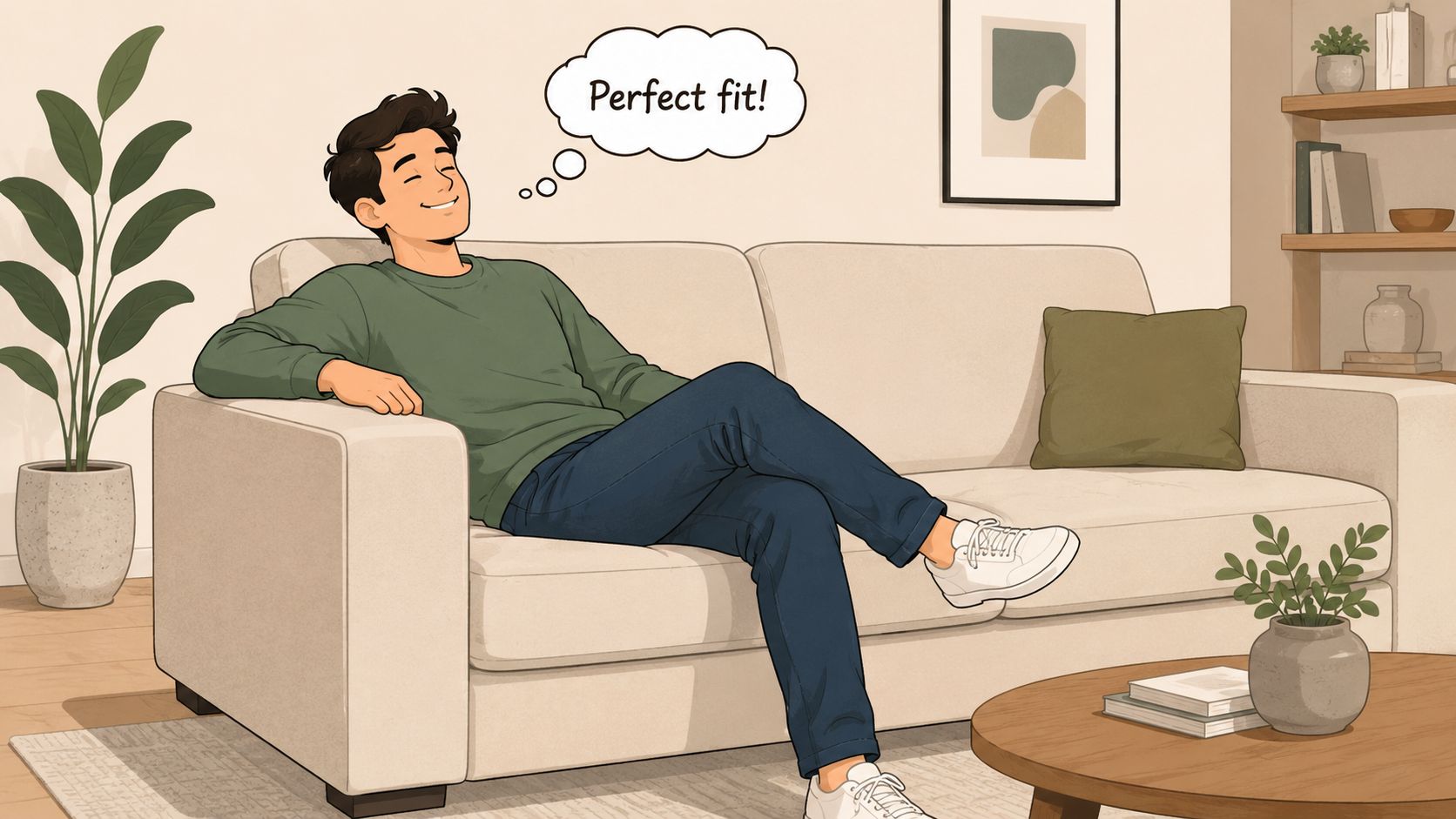
That's why the sit test matters. A shopper should lean back fully, rest an arm on the track, and notice whether the cushion supports the thighs without forcing a slouch. The difference between “looks right” and “feels right” often shows up in the first minute.
For households that keep throws nearby, blanket scale also affects comfort more than expected. A small throw can look tidy but leave one person tugging for coverage. This guide on how to choose the right blanket size is useful for matching sofa lounging habits to blanket dimensions.
Construction Quality and Custom Upholstery

Why crisp arms need thoughtful materials
A track arm sofa asks more of its upholstery than many shoppers realize. Those squared edges are part of the appeal, but they're also the places hands grip, kids lean, pets brush past, and daily friction shows up first.
One of the biggest content gaps in sofa buying advice is how squared-off arms wear over time, whether sharper corners are more prone to abrasion, and how easy they are to clean in homes with pets and children. That concern is highlighted in this discussion of leather sofa wear and maintenance.
That doesn't mean a track arm is fragile. It means material choice matters.
In a busy living room, the arm isn't decorative. It becomes a landing spot, a headrest, an elbow rest, and sometimes the place where a child balances during a cartoon marathon.
A shopper comparing upholstery should pay close attention to feel, texture, and how the fabric wraps a crisp edge.
- Top-grain leather: often gives a buttery hand, wipes clean more easily, and can suit a household that wants a refined, durable surface
- Performance fabric: offers broader pattern and color flexibility, with textures that can make a modern frame feel warmer and less formal
- Soft woven upholstery: can be inviting and comfortable, but the household should think carefully about wear points on corners and seams
Customization matters more than most shoppers expect
Made-to-order options offer significant value. The silhouette may be right, but the stock fabric may not fit the household. A shopper with pets may want a tighter weave. A family with children may prefer a forgiving tone and a surface that's easier to maintain. Someone furnishing a formal sitting room may choose something more refined.
Tyner Furniture offers custom upholstery options that allow shoppers to move past whatever happens to be on the floor and into a more bespoke decision about fabric, leather, and configuration. That matters because “in stock” is only the starting point for many well-designed homes.
The same philosophy shows up across the showroom. A room may pair a custom upholstered sofa with Canadel dining in a made-to-order finish, or with Stressless seating selected for ergonomic fit. In other parts of the home, Amish hand-crafted solid wood pieces bring the weight, joinery, and heirloom character that mass-market furniture often lacks.
For long-term value, the right question isn't just “What does it cost today?” It's “How well will it live in the home year after year?” A durable frame, smart upholstery choice, and a shape that still feels comfortable after the novelty wears off usually deliver the better cost-per-year investment.
Styling and Placing Your Track Arm Sofa
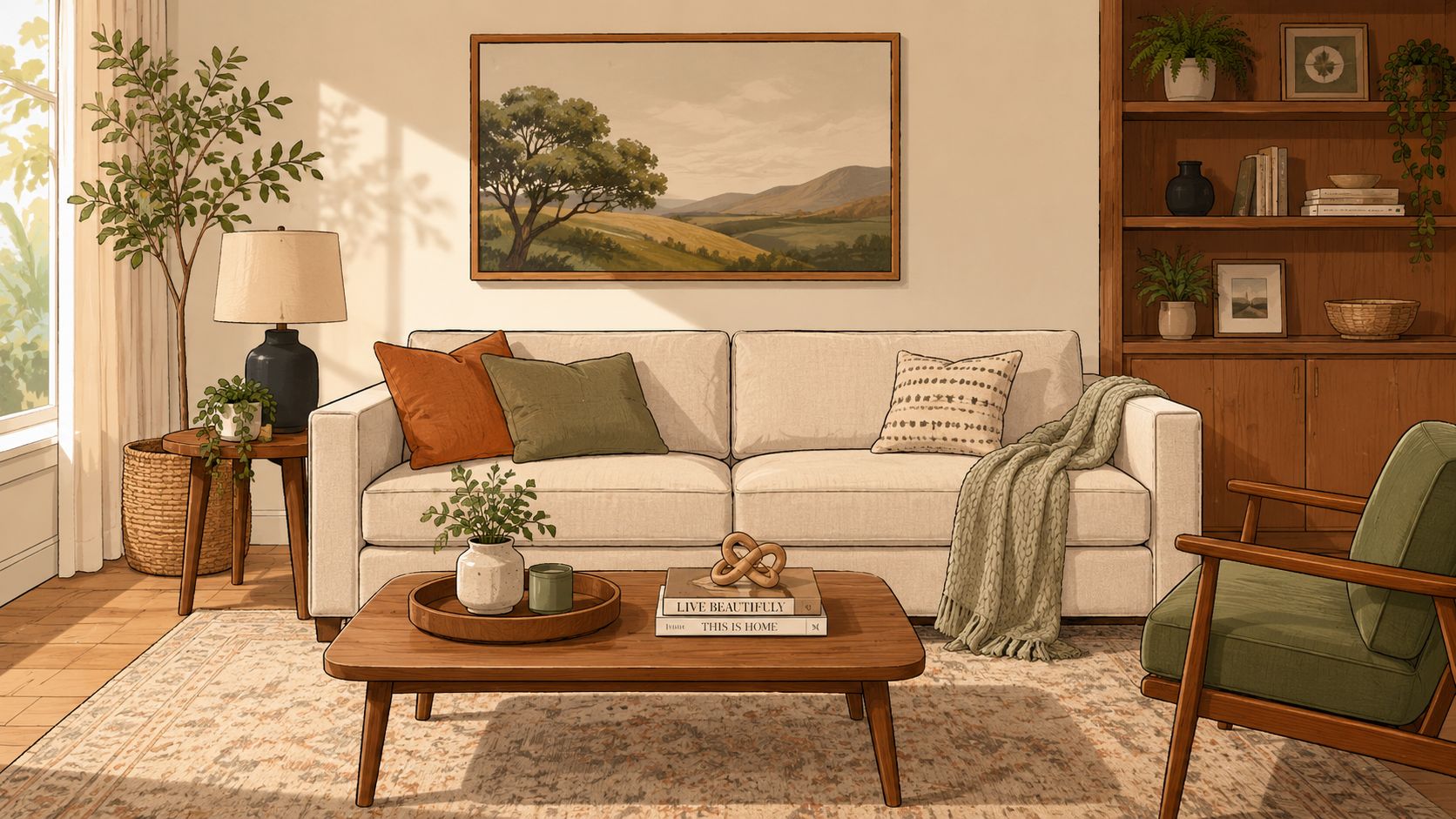
Why this shape works in many Southeast Michigan homes
A track arm sofa earns its place in design plans because it's space efficient. Style guides and furniture retailers consistently note that the straight arm profile avoids the extra bulk of padded scroll arms, making the style especially useful for smaller rooms, apartments, and condos, as explained in this overview of sofa styles and room fit.
That matters in Southeast Michigan, where one household may be arranging furniture in a compact downtown apartment and another may be refining a cozy historic home near Ann Arbor with narrower rooms and established traffic paths.
The visual effect is important too. Even when the dimensions are similar, a track arm often looks lighter than a fuller traditional arm. The room can feel less crowded because the silhouette is more disciplined.
Pro tips for layout and styling
Placement depends on what the room needs the sofa to do.
- Against a wall: a smart move in smaller rooms where circulation space matters most
- Floated in the room: useful in larger open plans where the sofa can define the living zone
- Paired with wood tables: the crisp upholstery lines balance nicely with the warmth and grain of natural wood
- Softened with textiles: a rug, lumbar pillow, and throw keep the geometry from feeling stiff
A few styling pairings tend to work especially well:
- Transitional rooms: add a textured rug and a classic lamp for balance
- Modern spaces: keep shapes clean and let the sofa's lines lead
- Cozy family rooms: layer pillows and a throw to offset the structured profile
For homeowners who want to refine furniture placement before moving heavy pieces, these living room arrangement ideas provide practical guidance.
The finishing layer matters too. A room with a structured sofa often benefits from warmth elsewhere. Texture, lighting, and scent can make a clean-lined room feel lived in rather than staged. For readers who enjoy that last sensory touch, this guide to luxe scents offers ideas for creating a more welcoming atmosphere.
A track arm sofa usually looks best when the room around it adds softness, whether that comes from wood tones, fabric texture, or warm light.
Finding Your Forever Sofa at Tyner Furniture
The right track arm sofa isn't just the one that photographs well. It's the one that fits the room, supports the body comfortably, and still feels like a sound investment after years of daily use.
By the time a shopper reaches the final shortlist, one detail deserves a last check. A wide track arm can reduce the inside seating dimension by several inches, so the buyer should verify interior seat width instead of judging only by the outside frame, as noted earlier in the article. That single measurement often separates a sofa that looks precisely designed from one that lives well.
The value of in-person testing becomes evident at the South State St. showroom in Ann Arbor, where shoppers can compare seat depth, arm padding, fabric feel, and the difference between a more upright sit and a more relaxed lounge posture. They can also explore custom possibilities beyond the floor, including made-to-order upholstery choices, finishes in other categories, and ergonomic seating options designed around body fit.
Since 1957, the store has served Southeast Michigan with a local, neighborly approach to design guidance. Special Financing and a Low Price Promise can also make a long-term furniture purchase feel more manageable, whether the household is selecting one sofa or coordinating a broader plan for the living room, bedroom, home office, or outdoor space.
A shopper who's ready to narrow the options can visit Tyner Furniture in Ann Arbor for a proper sit test, fabric touch, and design conversation, or browse the online Quick Specs to start a custom-order path with more confidence.