Furniture Examples: A Guide to Choosing Timeless Pieces

Furnishing a room can feel exciting right up until the choices start piling up. A sofa looks right online, a dining table feels too formal in person, and the bookshelf that seemed perfect suddenly looks oversized once it's standing in the room. That's where good furniture examples help, because they turn a vague idea into something a person can see, feel, and live with.
For families, first-time homeowners, and anyone refreshing a room that never quite worked before, the question is rarely just “What looks nice?” It's “What fits the space, what holds up, and what still feels right five years from now?” A local showroom with a long memory tends to answer that question better than a quick-scroll catalog, especially when the goal is a home that feels settled, not rushed.
Tyner Furniture has served Southeast Michigan since 1957, and that kind of longevity matters in a category where the difference between a pretty piece and a lasting one often shows up only after real use. In a market as large as furniture, USD 786.1 billion in 2025 and projected at USD 831.6 billion in 2026 with a forecast of USD 1,334.1 billion by 2033 (Grand View Research), buyers aren't shopping a niche. They're making a household investment, and the best examples are the ones that show how style, structure, and day-to-day comfort work together.
Your Guide to Furnishing a Home You Love
A home rarely comes together in one neat trip. One room gets the sofa first, another waits for the right table, and a hallway suddenly needs storage because the everyday clutter has nowhere else to land. That's why the most useful furniture examples are not just pretty room photos, they're clear demonstrations of how pieces behave in real spaces.
Tyner Furniture approaches that process like a neighborhood guide, not a distant catalog. The showroom on South State St. in Ann Arbor gives shoppers a place to compare scale, feel materials, and ask practical questions before making a choice. That matters in a region where people want pieces that look good and hold up to years of family life, entertaining, work, and seasonal change.
There's also a quieter concept that helps: think of furniture as investment dressing for the home. Just as a well-cut coat outlasts a trend-driven one, a well-made chair, table, or dresser earns its keep by working hard and aging well. That's the enduring value of quality furniture, not just that it looks substantial, but that it stays useful, stable, and attractive long after the original excitement fades.
A thoughtful showroom helps with more than style selection. It makes it easier to compare upholstered seating, dining pieces, bedroom furniture, and even outdoor options with a clear eye toward longevity and daily comfort. Tyner also covers the Home Office and Outdoor Spaces, so shoppers can build a home that feels connected instead of pieced together room by room.
Practical rule: If a piece only seems appealing in one perfect photo, it probably needs a second look. The better question is how it behaves beside a window, through a doorway, and under real household use.
Understanding the Core Furniture Categories
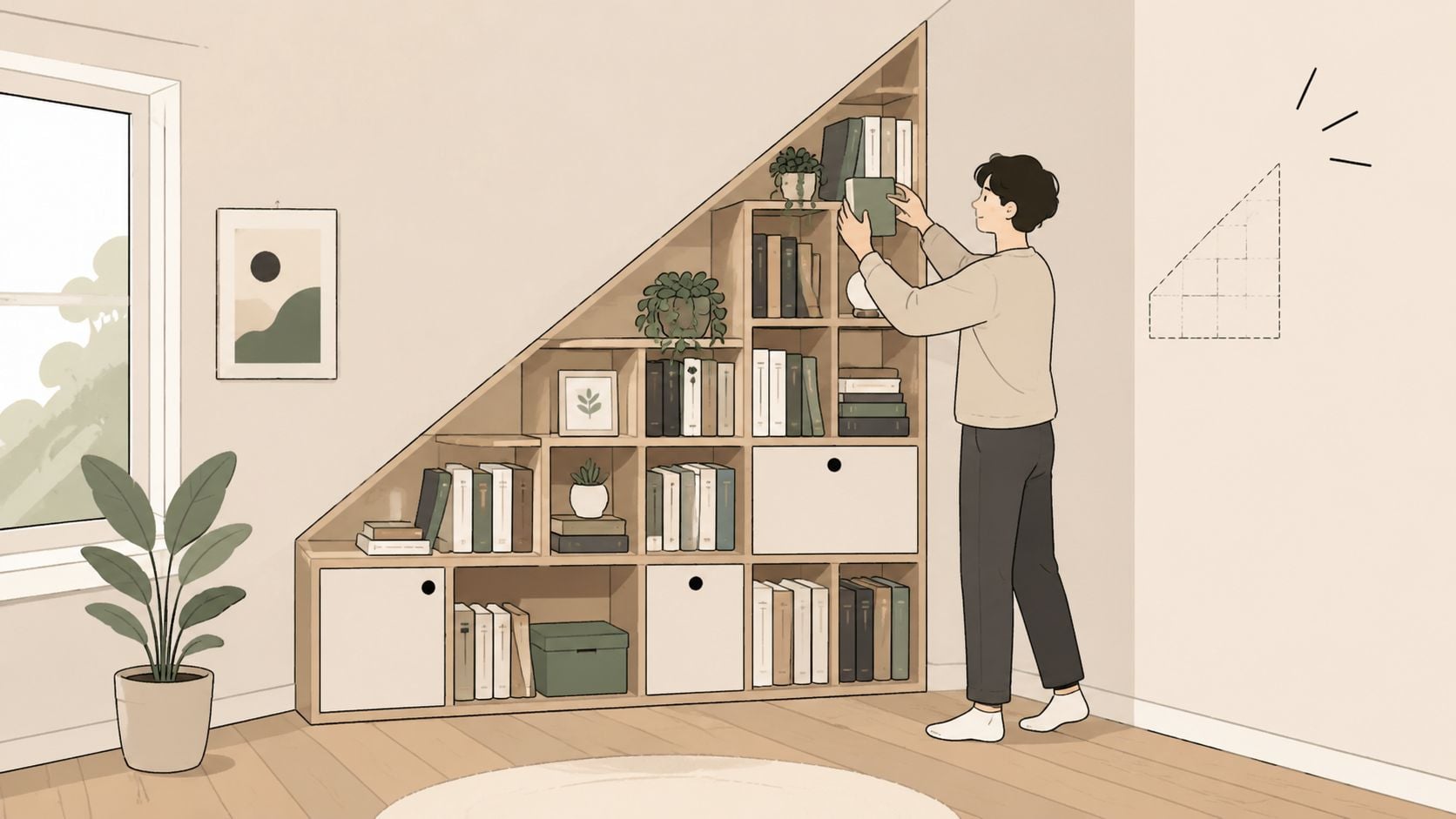
A room is easier to plan when furniture is grouped by function. Most choices fall into three categories, seating, surfaces, and storage, and each one solves a different problem. Once shoppers understand that structure, the style decisions become much less overwhelming.
Seating gives a room its daily rhythm
Seating is where comfort gets tested first. A sofa needs to invite the body in, while a sectional has to make sense for conversation, movie nights, and the shape of the room itself. An ergonomic recliner, especially one with supportive proportions, can make a family room or reading corner feel calm instead of cramped, and a useful guide to recliner comfort and support can help shoppers think through posture, cushioning, and long-term ease before they commit.
Surfaces do the work in the middle of the room
Dining tables, coffee tables, and desks carry more than objects. They set the room's pace. A dining table should feel stable when chairs move around it, a coffee table should leave enough circulation space, and a desk should support focused work without taking over the whole room. In a small apartment, a narrow table or compact writing desk can solve problems that a larger showpiece only creates.
Storage keeps the home from feeling unfinished
Dressers, bookshelves, entertainment centers, and sideboards do the quiet work of order. A bookshelf with open lines can lighten a room, while a dresser with substantial drawer fronts can make a bedroom feel grounded. Storage pieces matter because they affect how a room functions every single day, not just how it photographs on move-in weekend.
The U.S. furniture store channel shows how competitive those choices are. IBISWorld estimates U.S. furniture store revenue at $166.8 billion in 2026, with 55,457 businesses operating in the sector and revenue growing at only 1.7% CAGR from 2021 to 2026 (IBISWorld). In a market that large and crowded, selection alone isn't enough. Shoppers need clarity, and a good starting point is a curated furniture collection that lets them compare categories side by side.
Exploring Examples of Popular Furniture Styles
Style becomes easier to understand when it is tied to a feeling. Some rooms want warmth and weight, others want cleaner lines and a lighter visual presence. Good furniture examples show not just what the piece looks like, but what kind of life it supports.
Amish hand-crafted pieces feel grounded and lasting
Amish-inspired solid wood furniture carries a calm, unmistakable presence. The weight of solid cherry wood on a dining table or dresser gives a room a sense of permanence, and the grain pattern keeps the piece from feeling flat or generic. Tyner's custom Amish pieces let shoppers choose the wood, color, and finish, and the Ann Arbor showroom visit is there so they can sit, open drawers, and feel the quality for themselves, a point reflected in the custom Amish furniture guidance.
Scandinavian modern leans on ease and restraint
A clean-lined chair with ergonomic shaping offers a different kind of comfort. The appeal is not visual drama, it's the way the piece supports the body without excess bulk. That style works well in smaller rooms, open layouts, and homes that need a quieter backdrop for everyday life. For a wider view of how current interiors are moving, readers often like to compare timeless pieces with broader interior design trends 2026, then decide what still feels right beyond the trend cycle.
Upholstered contemporary pieces soften the room
A sofa or recliner wrapped in top-grain leather or quality fabric changes the feel of a room immediately. The surface can look crisp and formal, or relaxed and family-friendly, depending on the silhouette and textile. The buttery feel of top-grain leather is one of those details people notice the minute they sit down, and that tactile moment often matters more than a room photo ever can.
Traditional and transitional pieces bridge old and new
Some homes need a piece that doesn't shout for attention. A carved cabinet, a refined dining chair, or a balanced sofa can connect older architectural details with newer finishes. For shoppers deciding between those directions, a this-or-that design comparison can be useful because it makes the choice feel practical instead of abstract.
A helpful showroom habit is to ask, “Does this style support how the room is used?” That question usually matters more than whether the piece is trendy. Design guidance for awkward and small rooms already points toward curved forms, zones, and proportion, which is why the best style examples always include scale, not just mood.
How to Choose Furniture for Your Room and Lifestyle

A beautiful piece can still be the wrong piece if it fights the room. That's especially true in apartments with narrow footprints, older homes with odd corners, and open-plan spaces where one bad scale choice throws everything off. A common gap in furniture advice is exactly that problem, practical planning for awkward or small rooms, not just inspiration for polished spaces (Michael Helwig Interiors).
Start with the room shape, not the showroom floor
A long room usually needs furniture that respects the walkway. A square room can handle more centered placement, while an open-plan zone often needs anchors that define where one function ends and another begins. A made-to-order sectional can solve a tight corner better than a standard one, because the configuration can follow the room instead of forcing the room to adapt.
Match the piece to real life, not ideal life
Homes with pets, children, guests, and work-from-home routines need fabrics and finishes that tolerate regular use. That is where customization matters. In-stock is just the beginning, especially with options like Canadel and Stressless, where finishes, fabrics, sizing, and configuration can be adjusted to suit the actual household rather than a generic model room.
Pro-Tip: Measure doorways, stair turns, and tight halls before ordering. A piece that fits the wall perfectly still has to make it inside the house.
Use examples that answer specific problems
A narrow dining space may work better with a table that extends visually through lighter legs and a more compact profile. A family room with a floating sofa can feel more intentional when the seating, rug, and table work together as one zone. A bedroom with limited wall space may need a dresser that offers more storage depth without overwhelming the path around the bed.
Tyner Furniture's custom upholstered sofas also fit into this conversation because dimensions, configuration, arm style, cushions, and upholstery can all be suited to the room. That kind of made-to-order approach reduces the guesswork that makes furniture buying stressful in the first place. It also pairs well with services like special financing and a Low Price Promise, which make a higher-quality piece easier to plan around without lowering the standard.
Looking Beyond the Look to Find Lasting Quality

The difference between a decorative object and a true investment often lives in the construction. A well-made dining table can take years of daily use without loosening or wobbling, while a shallow-looking piece may start to show stress far sooner than buyers expect. That is why cost-per-year is such a useful lens, because a durable piece can make far more sense than a fragile one that needs replacing sooner.
Joinery tells the real story
Amish solid-wood furniture relies on mortise-and-tenon and dovetail joinery, which use interlocking wood geometry to create strong, durable joints that resist racking and last for generations (YouTube woodworking guidance). Independent joinery guidance also emphasizes precise mechanical fit, long-grain-to-long-grain contact, and the right joint for wood movement, with reinforcement available when durability is critical. That kind of construction is very different from a piece that depends mostly on visible hardware and a thin surface finish.
Solid wood changes how a room ages
A solid wood dresser or table can develop character instead of failure. Scratches, patina, and minor wear become part of the home's history rather than signs that the furniture has reached the end of its life. That is also where sustainability fits naturally, because a well-built piece stays in service longer and avoids the churn of replacement.
Details beneath the surface matter
Shoppers who want proof of quality should look underneath, not just at the front. Joinery, edge treatment, drawer interiors, and the way upholstery is finished all reveal more than a styled photo does. Recent furniture marketing guidance even recommends showing construction details like joinery, undersides, edge detailing, and fabric weave because buyers increasingly want evidence, not just a mood.
An heirloom piece should feel calm in use. If it flexes, rattles, or hides weak construction behind a nice finish, the pretty surface is carrying more weight than the structure.
For readers thinking about windows, room framing, and trim, even related pieces like cornice boards can help a room feel intentional, but furniture has to carry the everyday load. That is why the American-made solid wood furniture selection deserves a careful look when the goal is a piece that will still make sense years from now.
Bring Your Vision to Life in Ann Arbor
The right furniture choice doesn't have to feel like a gamble. When shoppers start with room size, daily habits, and the kind of quality they can see and feel, the path gets much clearer. That is where bespoke upholstery, ergonomic seating, and heirloom-grade wood construction turn a room from unfinished to settled.
The larger market picture supports that mindset too. The global furniture market is projected to reach USD 831.6 billion in 2026 (Grand View Research), which says something simple, furnishing a home remains a major and enduring priority. In that context, the smart move is not chasing the fastest fix, it's choosing pieces that support real life and still feel right when the room changes around them.
Tyner Furniture's Ann Arbor showroom on South State St. gives local shoppers a place to compare custom Amish furniture, Canadel, Stressless, upholstered seating, dining pieces, and more in one visit. The Low Price Promise and special financing options can also make the decision easier to act on without lowering the bar for craftsmanship or comfort.
For anyone furnishing a first home, upgrading a family room, or looking for one solid piece that can anchor a room for years, the next step is simple. Visit the Ann Arbor showroom for a sit test, or browse the online Quick Specs for special orders, and bring the measurements that matter most.
A CTA for Tyner Furniture. Visit the Ann Arbor showroom on South State St. for a sit test, or browse the online Quick Specs for special orders and compare the pieces that fit your home best.