Best Leather Couch Repair Kit: 2026 Buying Guide

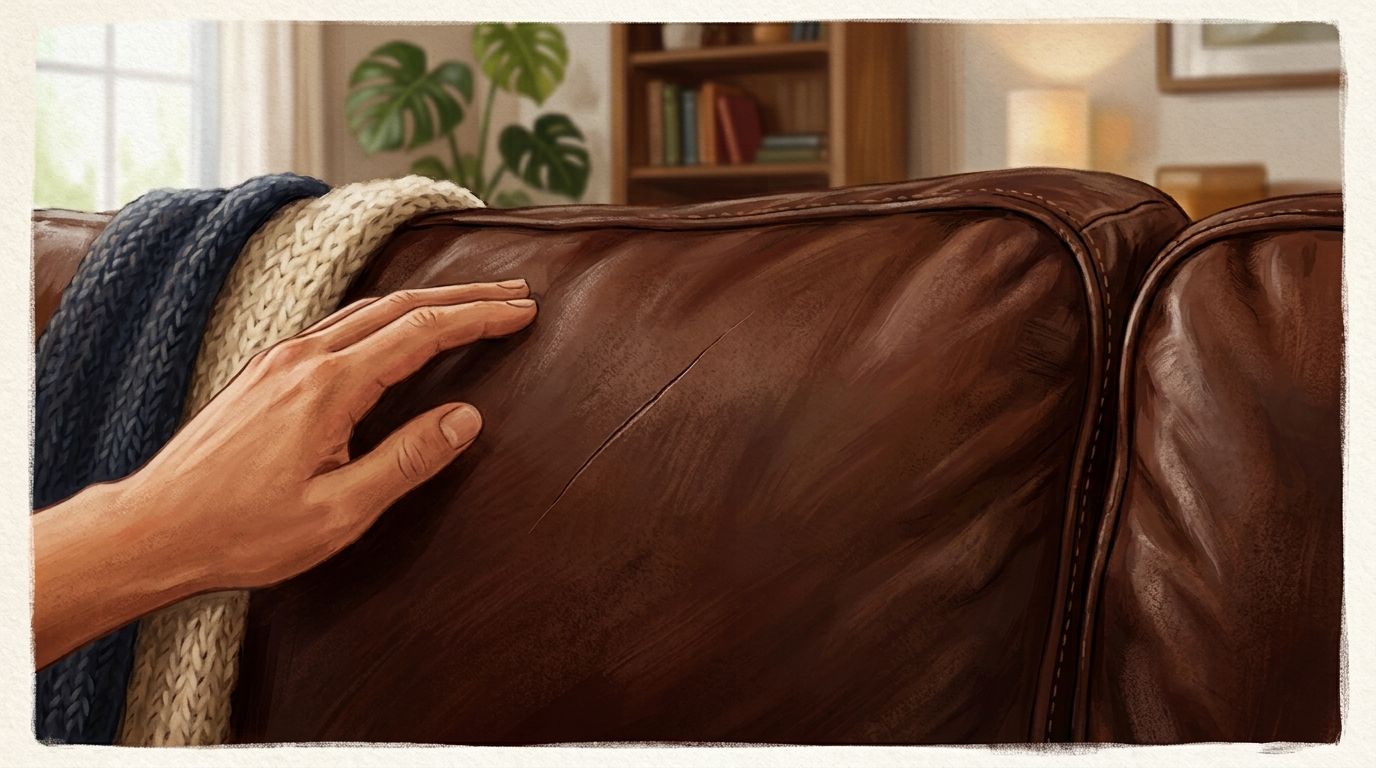
A leather couch rarely gets damaged all at once. It starts with a pale scuff on the front rail, a cat scratch on the arm, or a small tear on the seat where everyone frequently lands. That first mark feels bigger than it is because leather carries memory. It softens with use, takes on a buttery feel, and becomes part of the room in a way fabric often doesn't.
That's why the best leather couch repair kit isn't just about covering damage. It's about preserving an investment, protecting cost-per-year value, and knowing when a maintenance repair makes sense and when a true heirloom piece deserves professional restoration instead.
Caring for Your Leather Furniture Investment
A leather couch often earns its place slowly. It becomes the family movie seat, the reading corner, the nap spot, the place where guests always end up. When a scratch shows up, most homeowners aren't just reacting to a blemish. They're reacting to the thought of harming something they chose carefully and expected to keep.
Since 1957, Tyner Furniture has served Ann Arbor and Southeast Michigan with a local legacy built on durability, craftsmanship, and guidance. That perspective changes how a repair kit should be viewed. It's not a throwaway fix. It's a stewardship tool for the right kind of damage, used the right way, on the right leather.
For many households, the math is straightforward. Replacing a high-end leather couch can cost thousands of dollars, while repair kits often cost between $15 and $50, representing a cost-saving of 95% or more compared to replacement, according to this leather repair kit market overview. That's a practical reason to repair, but it's not the only one.
Why maintenance matters more than patching
A small repair done early usually protects the surrounding finish from turning into a larger problem. A neglected scratch can collect grime, dry out, and become more visible. A small nick near a seam can start to widen with everyday sitting and shifting.
Practical rule: Treat minor leather damage the way a careful homeowner treats a finish nick on hand-crafted furniture. Early attention usually preserves appearance better than delayed intervention.
Top-grain leather is valued in part because of its longevity and feel. The same broad market overview notes that top-grain leather typically lasts 15 to 20 years with proper care and that sunlight, humidity, and friction speed up wear. That's why regular upkeep matters as much as any one repair.
A better mindset for choosing a kit
The best leather couch repair kit should support preservation, not panic buying. Before ordering anything, it helps to know how leather reacts to oils, body contact, and routine cleaning. Some of the most useful care habits overlap with automotive upholstery maintenance, which is why Central PA mobile leather detailing advice can be surprisingly helpful for household seating too.
For homeowners comparing materials before they ever need a repair, Tyner's look at American-made leather sofas offers a good starting point for understanding what long-term leather ownership really means.
A well-bought couch should age with character. A well-chosen repair kit helps keep it that way.
Decoding Your Leather Before You Repair
Most repair failures begin before the kit is opened. The wrong color system, the wrong filler, or the wrong expectation usually traces back to one problem. The leather type wasn't identified first.
That matters because leather furniture doesn't all behave the same way. Some surfaces absorb product. Some resist it. Some can take a surface correction well. Others show every mismatch in sheen and texture.
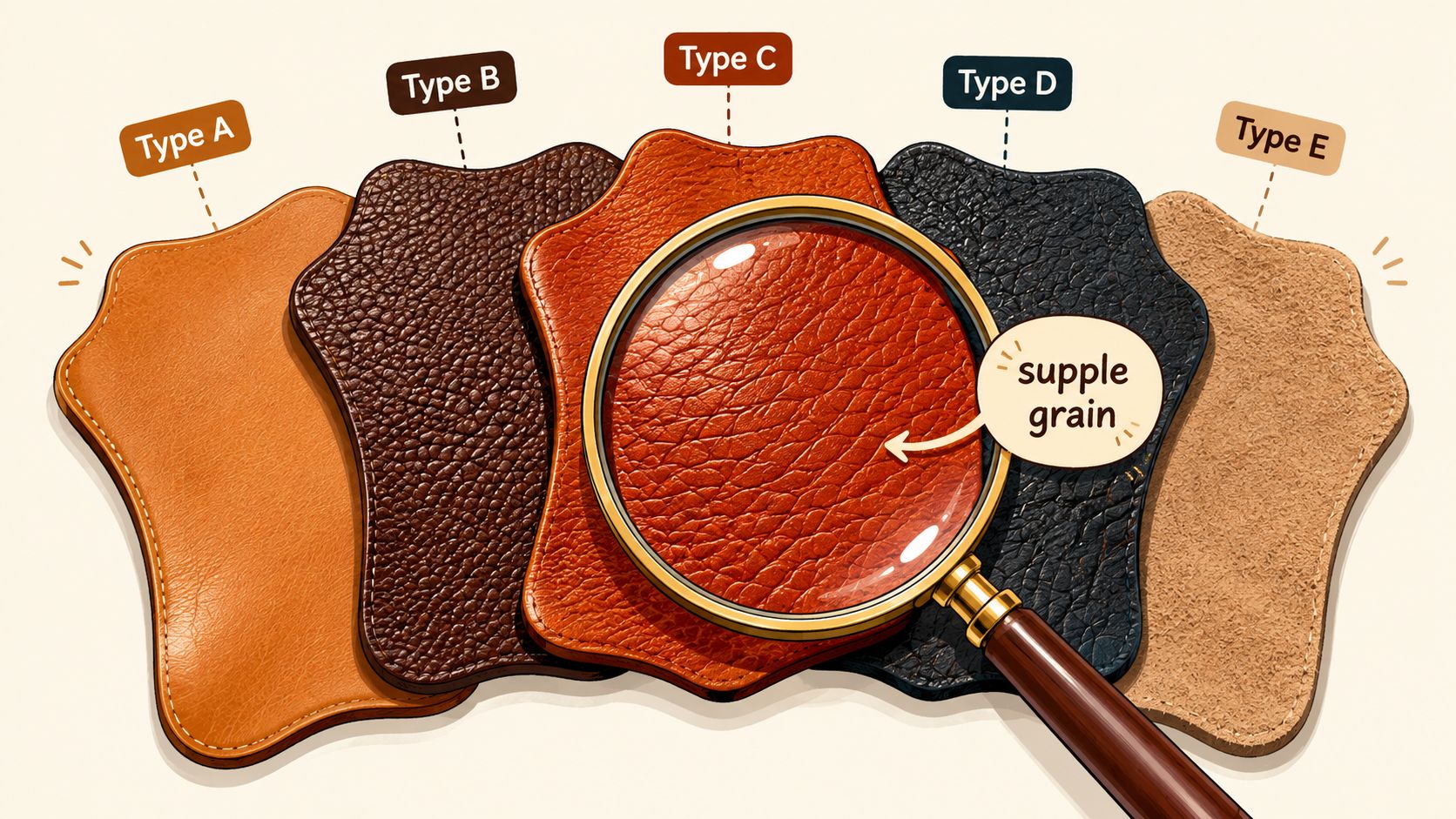
The three common leather categories
Aniline leather
This is the most natural-looking group. It usually has a rich, open appearance and a soft hand. Because it's more porous, it tends to show markings, absorb oils more easily, and react more visibly to touch-ups.
A repair on aniline leather needs caution. Color, sheen, and absorption can shift quickly.
Pigmented leather
This is the most common furniture repair candidate. It has a protective surface coating that makes it more forgiving for family use and more compatible with many couch repair kits. Surface scratches and color loss are often easier to manage here because the finish layer is more controlled.
Semi-aniline leather
This sits between the two. It keeps some natural character while adding more protection than pure aniline. It can still be repairable, but product behavior needs to be tested before any visible-area application.
A simple test at home
The easiest field check is the water drop test.
- Place a tiny drop of water on a hidden area.
- Watch how the surface reacts.
- If it absorbs quickly and darkens, the leather is likely more porous.
- If it beads and sits on top, the surface is likely more coated.
That doesn't replace a full material assessment, but it helps prevent the biggest mistake. Using a generic color product on leather that won't accept it.
If the finish blocks absorption, adding more color usually doesn't solve the problem. It just creates a more obvious patch.
That's especially important with finished or bonded surfaces. Data shows that 60 to 70% of urethane-coated leather cannot be successfully dyed with standard kit colors due to the non-porous topcoat blocking pigment absorption, often leading to streaky, non-adhering results, according to this leather repair guide.
Why identification comes before shopping
A shopper looking for the best leather couch repair kit often starts with color. In practice, leather type matters first, then damage type, then color.
A good identification process should answer these questions:
- Surface behavior: Does the finish absorb moisture or resist it?
- Damage depth: Is the issue cosmetic, or is material missing?
- Flex point: Is the damage on a high-movement area like a seat edge?
- Sheen match: Is the surrounding finish matte, satin, or more polished?
For a deeper foundation on upholstery choices and how different coverings perform over time, Tyner's guide to upholstery materials is useful background reading.
At the showroom level, this same logic applies to made-to-order decisions. In-stock is just the beginning. The same careful matching that matters in repair also matters when choosing bespoke upholstery, including customizable options from Canadel and Stressless that balance ergonomic comfort with interior design goals.
What Makes a Great Leather Repair Kit
A strong kit works like a system, not a single tube of color. The best results come from products that address structure, surface, color, and protection in the right sequence.
That hidden structure matters. It's a lot like the unseen strength in Amish furniture. Authentic Amish pieces are built from 100% solid North American hardwoods rather than particleboard or veneers, according to Tyner's solid wood overview. Traditional mortise-and-tenon and dovetail joints add durability through joinery, not shortcuts, as explained in this look at Amish joinery methods. Leather repair follows the same principle. The repair lasts because of what supports it beneath the surface.
The parts that actually matter
Here's what separates a useful leather couch kit from a disappointing one:
- Cleaner or prep solution: Surface residue blocks adhesion. Any body oil, polish, or cleaner residue left behind can weaken the repair.
- Flexible filler: This matters when the surface is rough, shallowly gouged, or lightly cracked. The filler needs to move with the leather instead of drying hard.
- Backing material: Tears need reinforcement from underneath if the damage goes beyond the finish.
- Adhesive: The glue has to bond securely without turning the area stiff.
- Color system: A repair only disappears when the tone and application method match the surrounding panel.
- Sealer or protector: This is what helps the repaired zone hold up under friction and routine use.
What structural repair really means
For actual tears, the best kits go below the surface. Expert-level leather repair kits use a multi-layer substrate restoration protocol where a sub-patch, typically 9×10 inches of repair cloth, is glued behind the tear to provide tensile strength, followed by a Heavy Filler to fill gaps, as described in this complete leather repair kit reference.
That's the difference between a visual touch-up and a durable repair. A surface-only patch may look acceptable at first. It won't hold if the leather is asked to flex over unsupported space.
A repair should restore use, not just appearance. If the damaged spot still collapses under pressure, the job isn't finished.
What to look for on the label
A quality kit should make it easy to confirm a few basics before purchase:
| Kit feature | Why it matters |
|---|---|
| Structural patch included | Needed for tears, not just scuffs |
| Flexible filler | Better for seat cushions and arms that flex |
| Matchable finish | Helps avoid a flat spot on a satin panel |
| Protective top layer | Reduces wear on high-contact zones |
Shoppers trying to sort out material expectations before buying furniture or repair products should also understand the difference between top-grain leather and bonded leather. That single distinction changes what kind of result is realistic.
The best leather couch repair kit isn't the one with the most bottles. It's the one built for the actual damage and the actual leather.
A Step-By-Step Guide to a Minor Repair
Minor surface damage can often be handled at home when the leather is a good candidate and the issue is limited to a scratch or light finish loss. The process rewards patience more than force. Thin layers, light touch, and full curing time usually beat heavy application every time.
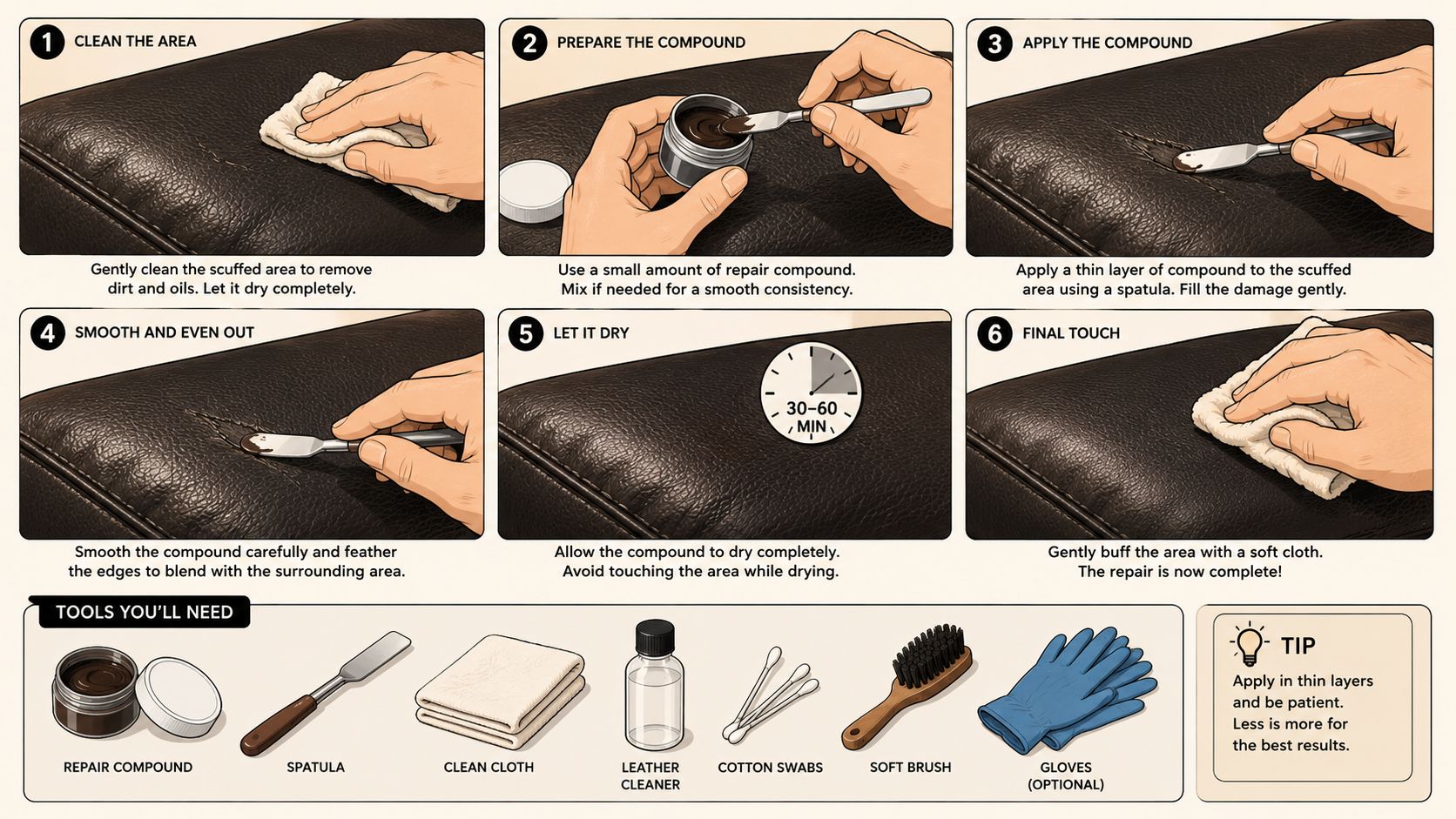
Before touching the damaged area
Set realistic expectations first. This walkthrough fits a small surface scratch on pigmented leather, not a large tear, missing backing, or delicate heirloom-grade aniline hide.
Keep the room clean and give the repair space time. The average time required for a successful leather repair ranges from 4 to 8 hours, including curing times of 12 to 24 hours between layers, according to this leather restoration discussion.
The repair sequence
1. Clean the area carefully
Use the prep product from the kit or a cleaner intended for leather repair prep. The point isn't to soak the leather. It's to remove body oils, dust, and residue that can keep filler or color from bonding evenly.
Let the area dry naturally before moving on.
2. Assess whether the surface is only cosmetic
Run a fingertip lightly across the mark. If it feels smooth and only looks pale, color correction may be enough. If it catches slightly, a small amount of filler may help level the texture before color goes on.
3. Apply filler in very thin layers if needed
Use only enough to bring the damaged spot level with the surrounding surface. Thin coats blend better and reduce the chance of a raised repair.
Allow each layer to dry before deciding whether another pass is necessary.
Workshop note: Thick filler tends to announce itself. Thin layers disappear more easily because they follow the leather's existing contour.
4. Dab, don't smear, the color
Most visible repair mistakes happen here. Smearing color across the area can create a hard edge or obvious patch. Dabbing and feathering usually produce a softer transition.
Match the sheen as closely as the tone. A good color match with the wrong finish still catches the eye.
Supporting details that often get overlooked
For anyone handling adjacent seam issues or cushion edge work, a basic understanding of stitch strength helps. This upholstery sewing supplies guide is useful background for understanding why upholstery materials need more than ordinary household thread when structural stitching is involved.
The final stages matter just as much as the first.
- Seal the repair: A topcoat or sealer protects the touched-up zone from abrasion.
- Let it cure fully: Dry to the touch isn't the same as ready for use.
- Avoid heavy sitting right away: Early pressure can distort a repair that hasn't finished bonding.
What success looks like
A good minor repair doesn't usually mean invisible under bright inspection from inches away. It means the damage no longer draws the eye in normal daily use. The couch keeps its visual continuity, the leather keeps its feel, and the spot stops getting worse.
That's a maintenance win. For a household piece with honest wear, that's often exactly the right standard.
Knowing When to Call a Professional
A repair kit has a clear place. It also has a clear limit. Knowing that boundary protects the furniture and often saves money that would otherwise be wasted on products that can't solve the actual problem.
The biggest dividing line is structure. If the issue lives only in the surface finish, a careful repair may hold. If the leather has lost support underneath, surface products won't fix the underlying failure.
The line between cosmetic and structural
When the backing material of leather is gone, surface fillers and dyes from a kit will fail within weeks, requiring a fabric backing patch glued underneath, according to this discussion of structural leather repair.
That single fact explains why some home repairs look decent on day one and fail shortly after. The visible crack or tear wasn't the whole problem. The woven support beneath the leather had already given way.
Signs a kit probably isn't enough
A professional is usually the safer choice when any of these show up:
- Large tears: Bigger damage usually needs more than a surface blend.
- Missing backing: If the area feels hollow or unstable, structure has to be rebuilt.
- Delicate leather: Natural, absorbent hides can react unpredictably to home repair products.
- Widespread cracking or fading: Large field repairs require panel-level color and finish control.
- Heirloom value: Sentimental or high-end pieces deserve a lower-risk approach.
If a couch carries heirloom quality, the decision should protect long-term value first and convenience second.
Why restraint protects quality
Homeowners sometimes feel pressure to act immediately, especially when the furniture is expensive or visually prominent. But the wrong repair can make later restoration harder. Overbuilt filler, mismatched sheen, or poorly bonded patches can leave a professional with more cleanup and less original material to work with.
For upholstery concerns that move beyond maintenance and into restoration territory, Tyner's overview of furniture upholstery services and options helps frame what a more appropriate next step can look like.
This is especially true for homes built around long-term furnishings rather than fast turnover pieces. In-stock is just the beginning for many rooms. Custom configurations, bespoke finishes, and ergonomic seating choices from collections like Canadel and Stressless all point toward a different ownership mindset. Protecting that level of investment means accepting that some repairs should stay in skilled hands.
A good rule is simple. If the repair has to rebuild strength, not just improve appearance, it's time to stop thinking in terms of kits alone.
Preserving Your Investment for Generations
Furniture care is rarely just about furniture. It's about keeping a home's daily life intact. A repaired leather seat, a maintained wood finish, a cushion that still supports well after years of use. Those things shape how a room feels and how long it serves the people living in it.
That same value lens applies across the house. Tyner has served Southeast Michigan since 1957, and that kind of local legacy is built on longevity, not novelty. The selection stretches from the Home Office to Outdoor Spaces, but the through-line stays the same. Buy for durability, maintain with care, and choose craftsmanship that earns its keep over time.
Long-term value starts at the buying stage
The smartest repair strategy often begins before damage happens. Better materials, better finish systems, and better construction reduce how often a household needs corrective work at all.
That's one reason finish quality matters so much on wood furniture. Custom Amish furniture often uses conversion varnish, which extends finish life by 2 to 3 times compared to standard lacquer finishes, according to Tyner's custom Amish furniture overview. The same mindset applies to upholstery. Better materials and better finishing systems support better aging.

Why customization supports longevity
In-stock pieces can solve an immediate need, but they're only the starting point. Made-to-order choices in finishes, fabrics, leathers, and configurations often create a better fit for the room and for the way a household lives. That's where bespoke planning pays off, whether the goal is a Canadel dining set, a Stressless recliner with ergonomic precision, or a sofa that balances interior design with practical wear.
A value-minded buyer also benefits from flexibility at checkout. Special Financing and a Low Price Promise can make heirloom-minded decisions easier to act on without compromising quality.
Repair preserves a good piece. Care extends it. Smart buying makes both easier.
For homeowners building a maintenance rhythm through the seasons, Tyner's fall furniture maintenance checklist is a useful planning tool. The same repair-versus-replace thinking shows up in other ownership categories too, which is why this article on power tool repair vs replacement is a good reminder that value often comes from preserving the right equipment rather than replacing it on impulse.
The sensory difference is hard to miss in person. The buttery feel of top-grain leather. The weight of solid cherry wood. The steadiness of hand-crafted joinery. Those are the qualities that make a piece worth maintaining.
Tyner Furniture has helped Ann Arbor and Southeast Michigan homeowners furnish for the long haul since 1957. For anyone weighing a repair, a replacement, or a made-to-order upgrade, visit the Tyner Furniture showroom on South State St. for a sit test, or browse the online Quick Specs for special orders across everything from living room seating and Amish bedroom pieces to home office and outdoor spaces.