Teak Furniture Care: An Ann Arbor Heirloom Guide


A lot of Southeast Michigan homeowners are looking at teak right now in the same moment of uncertainty. The patio is finally set up. The chairs still have that warm honey-brown glow. Then a stretch of rain rolls through Ann Arbor, pollen lands in the grain, tree cover keeps the deck damp, and the question starts: should teak be oiled, sealed, scrubbed, covered, or left alone?
That confusion is understandable. Generic outdoor advice rarely accounts for Great Lakes humidity, shaded backyards, spring grime, and long shoulder seasons. Good teak furniture care is much simpler than the internet makes it sound, but it does require one clear decision early on. Preserve the original golden look, or let the wood mature into its natural silver patina.
For households that think in terms of cost-per-year, durability, and long-term value, teak stands in the same conversation as any other heirloom piece in the home. The same buyer who appreciates the weight of solid cherry wood in a dining room or the buttery feel of top-grain leather in a well-made recliner usually appreciates teak for the same reason. It rewards patience, proper care, and a respect for how quality materials are meant to age.
Table of Contents
- An Investment in Your Outdoor Legacy
- Your Teak Care Schedule for Michigan Seasons
- The Annual Cleaning Ritual Step by Step
- The Great Debate To Oil or To Let It Silver
- Restoring Severely Weathered or Stained Teak
- Troubleshooting Common Physical Issues
- Your Partner in Creating a Home That Lasts
An Investment in Your Outdoor Legacy
A teak table earns its place slowly. In Southeast Michigan, that means humid July dinners, lake-effect rain, maple seeds in spring, and the freeze-thaw swings that expose weak materials fast. A well-built teak set can handle that cycle for years, but only if homeowners understand what they bought and how it is meant to age.
That is how families have shopped here since 1957. They are not only buying a place to sit. They are buying furniture that should still look right at a graduation party, an anniversary dinner, or a Sunday meal with three generations around the table. Teak fits that long view because it brings natural weather resistance, structural strength, and a look that improves with time if it is cared for correctly.
For readers planning a larger patio layout, this guide to best outdoor living space furniture is useful for thinking through scale, comfort, and how pieces work together across a full exterior setting. A broader outdoor plan helps teak make more sense as an investment, not just a single purchase.
The same quality standard shows up indoors and out
Good furniture follows the same rules whether it sits in a dining room or on a patio. Dense material matters. Sound joinery matters. In solid wood construction, dovetail joints strengthen drawers and mortise-and-tenon joints give frames lasting stability. That kind of joinery holds up better than the light fasteners and thin stock common in mass-market furniture.
Outdoors, the trade-off is straightforward. Teak asks for patience, not constant intervention. Homeowners who expect it to stay one fresh-milled honey color forever often over-treat it and create more work. Homeowners who understand its natural oils, density, and seasonal movement usually get better long-term results.
That matters even more in our part of Michigan, where moisture is the primary test. A cheap patio set can look tired after a few wet seasons. Teak usually does not fail that way. What it does show is surface weathering, dirt buildup, and moisture-related staining if debris sits too long. Those are care issues, not signs that the wood itself was a bad investment.
For homeowners exploring layout ideas before they buy or refresh a space, essential outdoor furniture pieces can help frame which categories matter most for comfort, traffic flow, and everyday use.
Your Teak Care Schedule for Michigan Seasons
A teak dining set in Southeast Michigan can look perfectly fine in June, then pick up pollen film, leaf tannin marks, and damp grime by the time fall settles in. That pattern catches homeowners off guard because teak is durable, but our Great Lakes moisture still tests any outdoor material.
A simple rhythm that works outdoors
The best care schedule is steady and restrained. Teak does not reward constant scrubbing or frequent product use. It holds up best when the surface stays clear of wet debris and gets cleaned on a sensible seasonal schedule.
In our store, we tell Southeast Michigan homeowners to watch moisture first and color second. The honey tone fading to silver is normal. Black spotting, green film, and dark rings under planters are important warnings, especially in yards with tree cover, lake-effect humidity, or slow-drying patios.
A practical schedule looks like this:
- Weekly: Brush off leaves, cottonwood fluff, pollen, and seed pods. If water is pooling on tabletops or seat slats, wipe it down.
- Monthly: Check horizontal surfaces, arm tops, and lower rails for mildew, sap, or early staining. These areas usually show trouble first.
- Spring: Do the main cleaning after freeze-thaw season ends and before regular outdoor use picks up.
- Fall: Clear debris and give the furniture a final inspection before long stretches of cold rain, leaf drop, and damp air.
That routine is usually enough for open patios with good sun and airflow. Covered porches, areas under mature trees, and spots near sprinklers often need more frequent attention because the wood stays damp longer.
What changes with the seasons
Spring is the reset. Southeast Michigan patios come out of winter with grit, pollen, and moisture residue that settled into the grain. This is also the right time to decide whether you are letting the teak silver naturally or maintaining a warmer color, because that choice affects what products, if any, belong in your routine later.
Summer is mostly about observation. After heavy storms, humid stretches, or backyard gatherings, check for food residue, standing water, and planters or cushions trapping moisture against the wood. Good airflow matters as much as sun exposure, which is one reason patio layout and outdoor furniture tips to beat the heat often improve teak performance as well as comfort.
Fall causes more problems than many homeowners expect. Wet leaves can stain quickly, and cooler temperatures slow drying time. If your furniture sits under maples or oaks, tighten the schedule and do not let piles of leaves sit on seats or tabletops for days at a time.
Winter is less about active care and more about setup. Teak can stay outdoors, but it should sit clean, with good drainage and nothing holding moisture against the surface. If the surrounding patio, siding, or concrete needs a low-pressure wash before furniture goes into the cold season, Cultivate House Detailing's house cleaning is a useful example of the kind of gentle exterior cleaning approach that avoids blasting grime back onto freshly cleaned furniture.
The trade-off is simple. A natural silver finish asks for less intervention, but it still needs seasonal cleaning to prevent moisture-related staining. A color-preserving approach demands more consistency, especially in Michigan's wet spring and leaf-heavy fall.
The Annual Cleaning Ritual Step by Step
A year of Southeast Michigan weather leaves a mark on teak. Pollen works into the grain in spring, summer storms splash soil onto the legs, and fall debris can leave dark outlines that are much harder to remove once they set.

A proper annual wash resets the surface without stripping out the natural character that makes teak worth buying in the first place. We have cared for outdoor wood furniture in this region long enough to know that gentle, consistent cleaning beats aggressive “restoration” almost every time.
What to gather before cleaning
Use simple tools. Teak responds better to patience than force.
- Soft-bristle brush: Stiff enough to lift grime from the grain, but not abrasive.
- Mild soap solution: A small amount of gentle detergent mixed into water is enough for routine annual cleaning.
- Low-pressure water source: A garden hose works well.
- Clean towels or a dry cloth: Helpful for wiping drips from joints and checking whether residue is still present.
- Time to dry fully: Plan the job for a stretch of fair weather so the furniture can dry completely before cushions or covers go back on.
The setup around the furniture matters too. Dirty concrete, siding, and trim can splash grime right back onto freshly scrubbed teak during rinsing. If the patio area needs a broader cleanup first, Cultivate House Detailing's house cleaning is a useful example of the low-pressure approach that is safer around exterior surfaces.
How to clean without damaging the wood
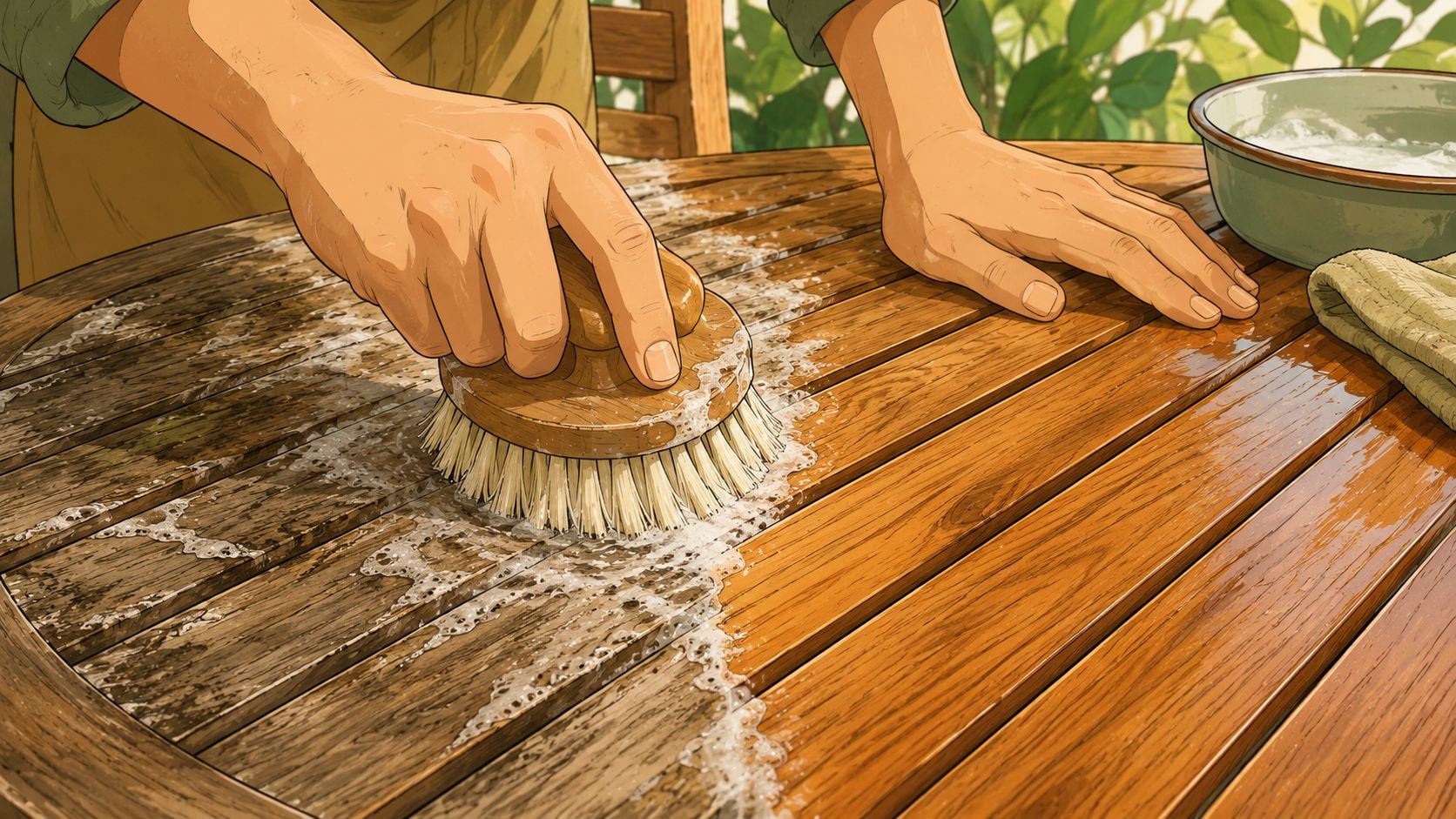
Start by wetting the piece so dry wood does not grab the soap unevenly. Then scrub with the grain, not across it, and work one section at a time. Seats, arms, and tabletops usually need the most attention because they collect pollen, sunscreen, food residue, and standing moisture.
Rinse thoroughly from top to bottom. Soap left in the grain can dry blotchy, especially on broad flat surfaces.
Then let the furniture air dry completely in open shade or filtered sun. In our area, that step gets skipped too often. Southeast Michigan humidity can leave teak feeling dry on the surface while moisture still lingers in the joints and deeper grain.
A reliable annual cleaning routine looks like this:
- Rinse off loose debris first. Get rid of surface dust, leaf fragments, and grit before you scrub.
- Wash with a mild soap solution and a soft brush. Use steady pressure, following the grain.
- Give extra attention to horizontal surfaces and joinery. Those spots hold the most moisture and grime.
- Rinse until the runoff is clear. Any leftover soap film attracts dirt.
- Let the furniture dry fully before use. Wait before replacing cushions, covers, or planters.
Avoid pressure washers and steel wool. Both can rough up the surface, open the grain, and create shallow damage that holds water longer after every rain.
That trade-off is worth understanding. Hard scrubbing may make a piece look cleaner for a day, but it often leaves the wood more vulnerable to uneven weathering and moisture staining over the season.
If you are choosing larger pieces for a seating area, access matters as much as style. A large outdoor coffee table should leave enough room to walk all the way around it, because teak is much easier to maintain when every side can be cleaned and dried without dragging it across the patio.
The Great Debate To Oil or To Let It Silver
A lot of Southeast Michigan homeowners reach this point after the first full season outside. The teak still feels solid, but the color has started to shift. One neighbor says to oil it right away. Another says leave it alone. Both opinions are common. Only one question really matters. Do you want a natural patina, or do you want to maintain the original warm tone?
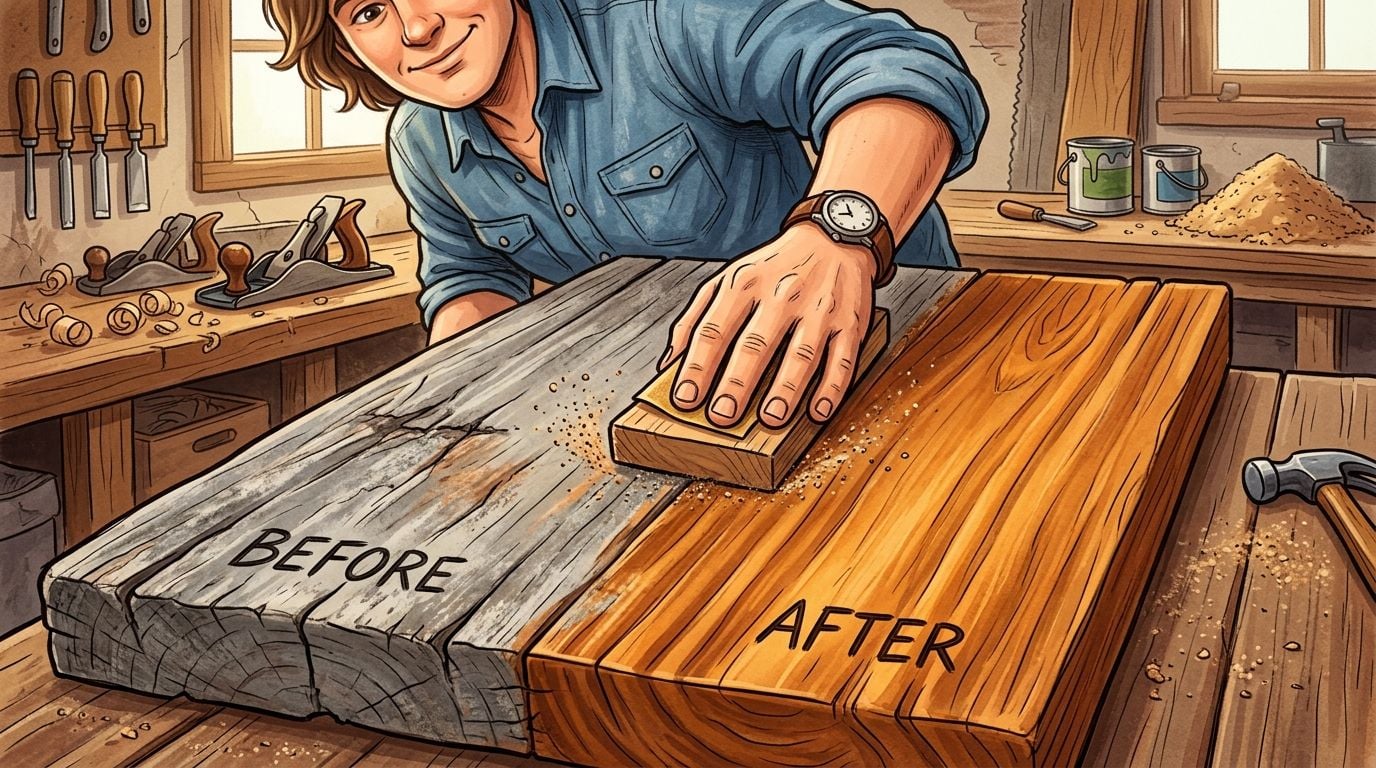
Here is the plain answer we give in the store. Teak does not need oil to stay structurally sound outdoors. Its durability comes from the wood's natural oil content and density. In our climate, that distinction matters because added surface treatments can create appearance problems if they are applied before the wood is fully dry.
Southeast Michigan is hard on outdoor furniture in a very specific way. We get spring pollen, humid stretches, shaded backyards, lake-effect moisture, heavy summer storms, and long fall periods where dew hangs around well into the morning. That combination often leads to blotchy color changes, mildew on horizontal surfaces, and darkening around joints. Traditional teak oil can add maintenance without solving those moisture issues.
Natural silvering is a legitimate finish choice, not a sign that the furniture has been neglected. On quality teak, the weathered gray tone can look refined and even, especially in settings with brick, stone, mature trees, or older homes. It is also the lower-risk path for damp yards in Birmingham, Ann Arbor, Plymouth, and other neighborhoods with shade and limited airflow.
Keeping the golden color is still a fair choice. It just requires more discipline. The wood needs to be fully clean and fully dry first, and the product choice matters. For outdoor teak, we steer homeowners away from traditional oil and toward products made to preserve color without soaking the surface the same way. If you want background on how oil is applied in another teak-heavy setting, Boat Juice boat detailing for teak shows the marine side of the conversation. Backyard furniture in Michigan faces a different moisture cycle, so the decision should be based on patio conditions, not boat trim habits.
Teak Finish Decision Guide for Michigan Weather
| Attribute | Path 1 Embrace the Silver Patina | Path 2 Maintain the Golden Hue |
|---|---|---|
| Overall look | Soft, silvery-gray, naturally weathered | Warm honey-brown, closer to new teak |
| Best for | Homeowners who like a low-intervention, heirloom look | Homeowners who want to preserve the fresh teak appearance |
| Protection strategy | Keep it clean and let it age naturally | Use an oil-free protector, not traditional oil |
| Moisture risk in humid weather | Lower risk from added surface treatment | Requires careful product choice and proper drying first |
| Maintenance style | Minimal and straightforward | More appearance-focused upkeep |
| Visual character over time | Even silvering can look refined and established | Golden tone stays longer, but it needs active management |
A simple way to choose:
- Choose silvering for shaded patios, damp microclimates, and households that want the lowest-maintenance path.
- Choose golden-tone maintenance if matching the original teak color matters enough to justify periodic upkeep.
- Skip traditional outdoor oiling if mildew, black spotting, or slow drying have already been issues on your patio.
We have seen the same trade-off for decades. Furniture left to silver usually asks for less and ages more evenly. Furniture treated to stay golden can look beautiful, but only if the owner is willing to keep up with cleaning, drying time, and reapplication.
The mistake is not choosing one path or the other. The mistake is switching back and forth every season. That is how teak ends up uneven, patchy, and harder to correct later. For homeowners who also care about protecting indoor wood pieces with the same long-view mindset, this guide to protecting wood furniture from scratches and stains is a useful companion.
Restoring Severely Weathered or Stained Teak
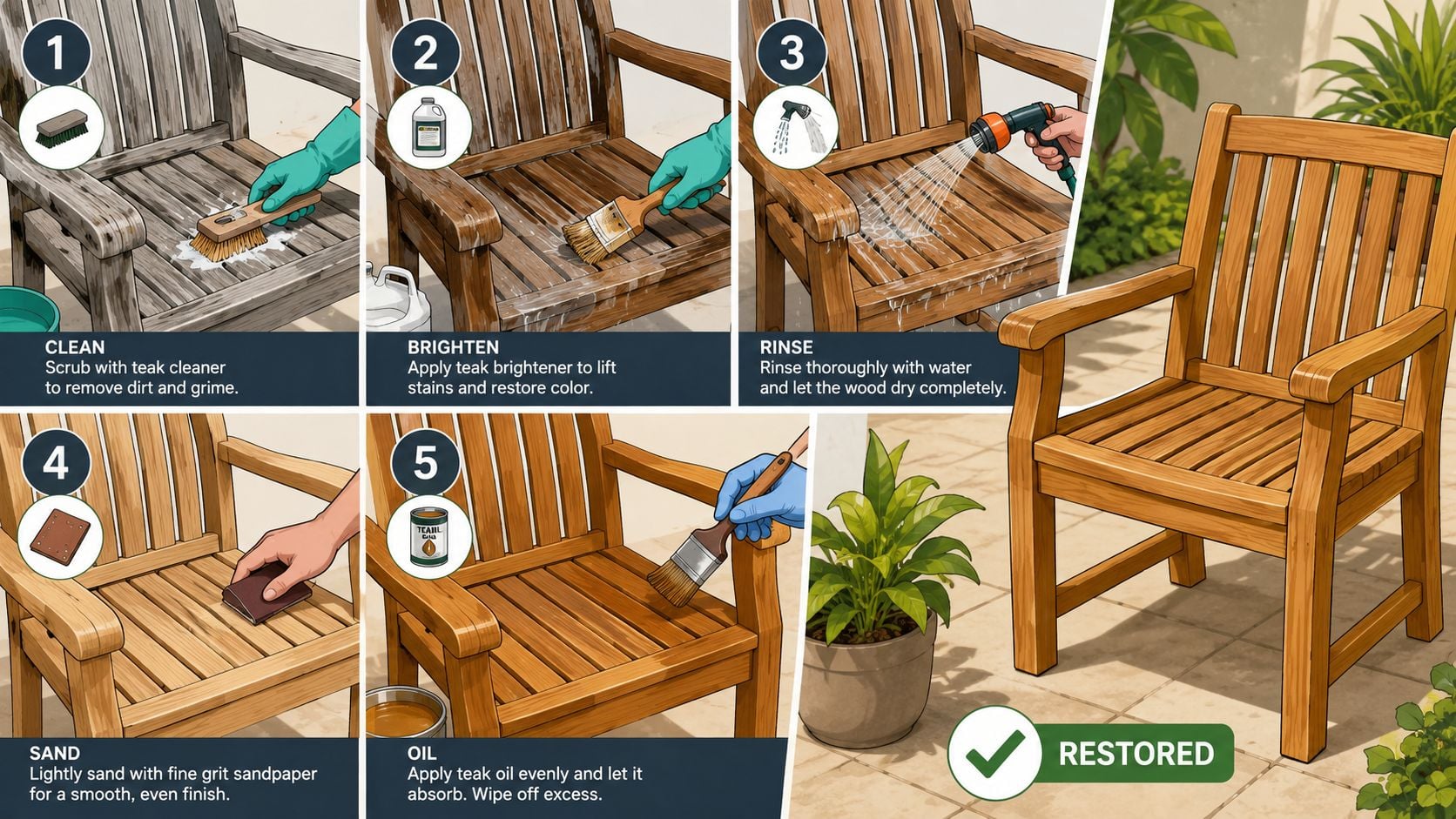
A teak chair that has spent three Michigan seasons under tree cover tells a different story than one sitting in full sun on an open deck. In Ann Arbor, Plymouth, and the older neighborhoods around Birmingham, we often see the same combination: black spotting from damp shade, sticky sap residue, and a rough surface that catches on a towel or sleeve. Restoration works best when you identify which of those problems you are dealing with first.
A damage triage approach
Severely weathered teak rarely needs one blanket fix. It needs the right level of correction.
Start by separating surface issues into clear categories:
- Mildew or black staining: Begin with the least aggressive cleaning method that will remove the growth. In Southeast Michigan's humid stretches, mildew often sits on the surface but can settle into the grain if it is left too long.
- General grime and pollen film: Soap, water, and a soft brush are often enough when the wood is gray but not heavily stained.
- Sap, sunscreen, food grease, or drink marks: Treat the affected area directly instead of scrubbing the entire piece harder than necessary.
- Raised grain and rough texture: Light sanding can improve the feel and appearance if cleaning alone does not flatten the fibers.
The goal is accurate correction, not maximum force. Mildew, residue, and rough grain respond to different methods, and teak usually rewards patience.
If you take the same long-view approach with indoor pieces, our guide to protecting wood furniture from scratches and stains follows the same principle. Clean, dry, and protect the material without overworking it.
When sanding helps and when it hurts
We use sanding as a corrective step, not a default habit. On weathered teak, sanding helps most when the surface has gone fuzzy, feels uneven in the arm areas, or holds shallow stains that cleaning did not lift. It hurts when people try to sand away every sign of age, bear down too hard on corners, or apply finish before the wood has dried fully.
For home restoration, a careful grit sequence is usually enough:
- Clean the piece first. Sanding over dirt grinds contamination into the wood.
- Let the teak dry completely. In our climate, that can take longer than homeowners expect after a humid day or overnight dew.
- Use 220-grit on rough areas. Follow the grain and keep pressure even.
- Refine with 320-grit or finer. This smooths the touch without stripping away more material than needed.
- Wait before applying any protector. If moisture is still in the wood, a sealer can trap it and set up future dark spotting.
That drying step matters more in Southeast Michigan than many national care guides admit. Near the Great Lakes, furniture can feel dry on the surface and still hold moisture below. That is one reason rushed restoration jobs often look good for a week, then develop uneven color or fresh discoloration.
Some pieces should stay out of the do-it-yourself category. Deep joint movement, structural looseness, severe splitting, or boards that have worn thin from repeated sanding deserve professional attention. A good teak piece is a long-term investment. Restoring it properly protects both its appearance and its service life.
Troubleshooting Common Physical Issues
A teak chair can come through a wet Michigan spring looking rougher than it really is. A few marks and small changes are part of normal outdoor use. The key is knowing which ones are cosmetic and which ones call for repair before the piece loses strength.
Small surface cracks, often called checking, show up as teak responds to repeated moisture swings, sun, and drying time. In Southeast Michigan, those cycles are hard on outdoor wood. Rain, lake-effect humidity, strong summer sun, and cool nights can all hit the same piece in a single week. Hairline checks are usually shallow and do not mean the furniture is failing.
Movement at joints is a different matter. If a dining chair rocks, an arm feels loose, or a table base shifts when pressure is applied, stop using it until it is inspected. That kind of looseness tends to get worse with another season of wet-dry cycling, and a quick home fix often creates a bigger repair later.
Use this rule of thumb:
- Fine surface checking: Common and usually cosmetic
- Raised grain or slight roughness: Usually manageable with proper cleaning and light touch-up
- Wobble, racking, or loose joinery: Structural issue that should be addressed promptly
- Fasteners backing out or hardware corrosion: Needs correction before the surrounding wood wears further
One more issue shows up here in our region more than many national teak guides admit. Furniture legs and lower stretchers often stay damp longest because they sit close to wet patios, morning dew, and shaded lawn edges. That is where black spotting, soft grime buildup, and premature wear often start. Keep those lower areas clean, allow airflow, and avoid leaving teak in standing water after storms.
Quality construction still matters. Well-made outdoor furniture, like well-made solid wood furniture throughout the home, holds up better because the materials and joinery start stronger. Even so, no solid wood piece should be ignored once it starts to loosen.
If an older set has developed several of these issues at once, it may be time to repair selectively and replace selectively. Homeowners comparing current teak outdoor furniture sale options often do best when they keep sound pieces and retire the ones that are no longer worth repeated repair. That approach protects both appearance and long-term value.
Your Partner in Creating a Home That Lasts
The best teak furniture care routine is steady, not obsessive. Clean it correctly. Respect the local climate. Decide whether the goal is silver patina or golden tone. Then let the material do what it was made to do.
That approach protects more than appearance. It protects cost-per-year, long-term durability, and the satisfaction that comes from owning furniture that feels substantial season after season. The same values show up throughout the home in hand-crafted, heirloom pieces, whether that means solid wood dining, a made-to-order bedroom suite, an ergonomic recliner, or a customized home office setup.
Quality also shouldn't force a settle-for mindset. In-stock can be a starting point, but many homeowners want bespoke choices that fit their room, routine, and interior design goals more precisely. That's where made-to-order options matter, especially in categories like Canadel dining and Stressless comfort seating, where finishes, fabrics, and configurations make the piece feel personal instead of generic.
A good furniture plan also considers access. Special Financing can make a significant investment easier to stage over time, and a Low Price Promise adds confidence for households that want long-term value without sacrificing craftsmanship. That same planning mindset carries across the home, from Outdoor Spaces to the Home Office.
For readers exploring current teak options, outdoor furniture teak sale selections are a useful place to compare styles, scales, and settings.
Tyner Furniture has served Southeast Michigan since 1957, and that local legacy still shows in the way the showroom approaches furniture. Whether someone is furnishing a patio, a dining room, a bedroom, or a home office, the focus stays on durable craftsmanship, sustainable value, and pieces that are meant to last. Visit Tyner Furniture on South State St. in Ann Arbor for a sit test and an in-person look at materials, comfort, and finish options, or browse the online Quick Specs for special orders, including bespoke Canadel and Stressless configurations.