Hickory Craft Furniture: A Buyer’s Guide


You’re probably here because you’ve already lived through the furniture cycle nobody enjoys. A dining chair starts to wobble. A sofa cushion develops that permanent dip in the spot everyone fights over. A dresser drawer begins to scrape, then stick, then demand a certain angle just to close. The piece may still look decent across the room, but every day of use tells a different story.
That frustration is real, especially when you thought you were buying something that would last. Furniture shopping also gets confusing fast. One brand talks about style, another talks about performance fabric, and another uses words like handcrafted without telling you what was built by hand. Often, the hard part isn’t choosing what looks good. It’s knowing what will still feel solid years from now.
That’s where a clear understanding of hickory craft furniture helps. Sometimes the phrase points to a furniture-making heritage connected to Hickory, North Carolina. Sometimes it points to the use of hickory itself, a wood long respected for strength and character. And sometimes shoppers use it more broadly to mean furniture made with a traditional, lasting mindset rather than a disposable one.
If you’re furnishing a forever home in Ann Arbor or elsewhere in Southeast Michigan, that distinction matters. The smartest purchase usually isn’t the lowest ticket. It’s the piece with the best cost per year, the best materials, and the best chance of becoming part of family life instead of part of a curbside pile.
Table of Contents
- Tired of Furniture That Doesn't Last?
- The Legacy of Hickory Craft Furniture
- Hallmarks of True Craftsmanship to Look For
- Hickory Compared to Other American Hardwoods
- The Customization Edge for Your Michigan Home
- Caring For Your Heirloom Furniture Investment
- Find Your Forever Furniture in Ann Arbor
Tired of Furniture That Doesn't Last?
A lot of homeowners reach the same point. They stop asking, “Does this fit the room?” and start asking, “Will this still be worth owning later?”
That’s a better question.
A table that looks clean online can feel hollow in person. A sofa can seem plush for five minutes and then lose support long before the room around it is ready for an update. Bedroom pieces can hide thin veneers, light hardware, or drawer construction that isn’t built for everyday life.
The shift from replacing to investing
When people get tired of replacing furniture, they usually start noticing three things:
- Movement tells the truth. If a chair twists when you lift it or a table shifts under pressure, the structure is talking.
- Touch reveals quality. The weight of solid wood, the smoother travel of a well-built drawer, and the stable sit of a supportive cushion are hard to fake.
- Time changes the math. A piece that lasts and stays comfortable often costs less per year than one you replace repeatedly.
Practical rule: If you use it every day, shop the frame first and the fabric second.
That’s why many experienced buyers begin with construction standards instead of color stories. If you want a useful primer before stepping into a showroom, this guide on how to shop for furniture smartly is a good place to sharpen your eye.
Why hickory craft furniture enters the conversation
People often turn to hickory craft furniture when they want more substance. The phrase suggests durability, American furniture heritage, and a respect for craft that goes beyond trend-driven buying.
It also points you toward a better mindset. Don’t just ask whether a piece matches your rug. Ask whether it’s built to handle family dinners, movie nights, guests, pets, homework, and ordinary wear without falling apart in the middle of real life.
For buyers building a forever home, that mindset changes everything.
The Legacy of Hickory Craft Furniture
The phrase hickory craft furniture can confuse shoppers because it carries two meanings. One is historical and regional. The other is material and tactile.
Why the word hickory matters
In the historical sense, Hickory refers to a furniture-making tradition tied to Hickory, North Carolina. The history of Hickory Furniture Company notes that The Hickory Furniture Company was established in 1901 in Hickory, North Carolina, by local business owners leveraging abundant regional lumber and railway access. It became the area's first large-scale furniture factory, laying the groundwork for Hickory's emergence as a global furniture hub and cementing the region's reputation for durable, American-made solid wood furniture.
That history matters because it helps explain why “Hickory” became associated with dependable American furniture in the first place. It wasn’t just branding. It grew from a region where wood supply, skilled labor, and manufacturing know-how came together.
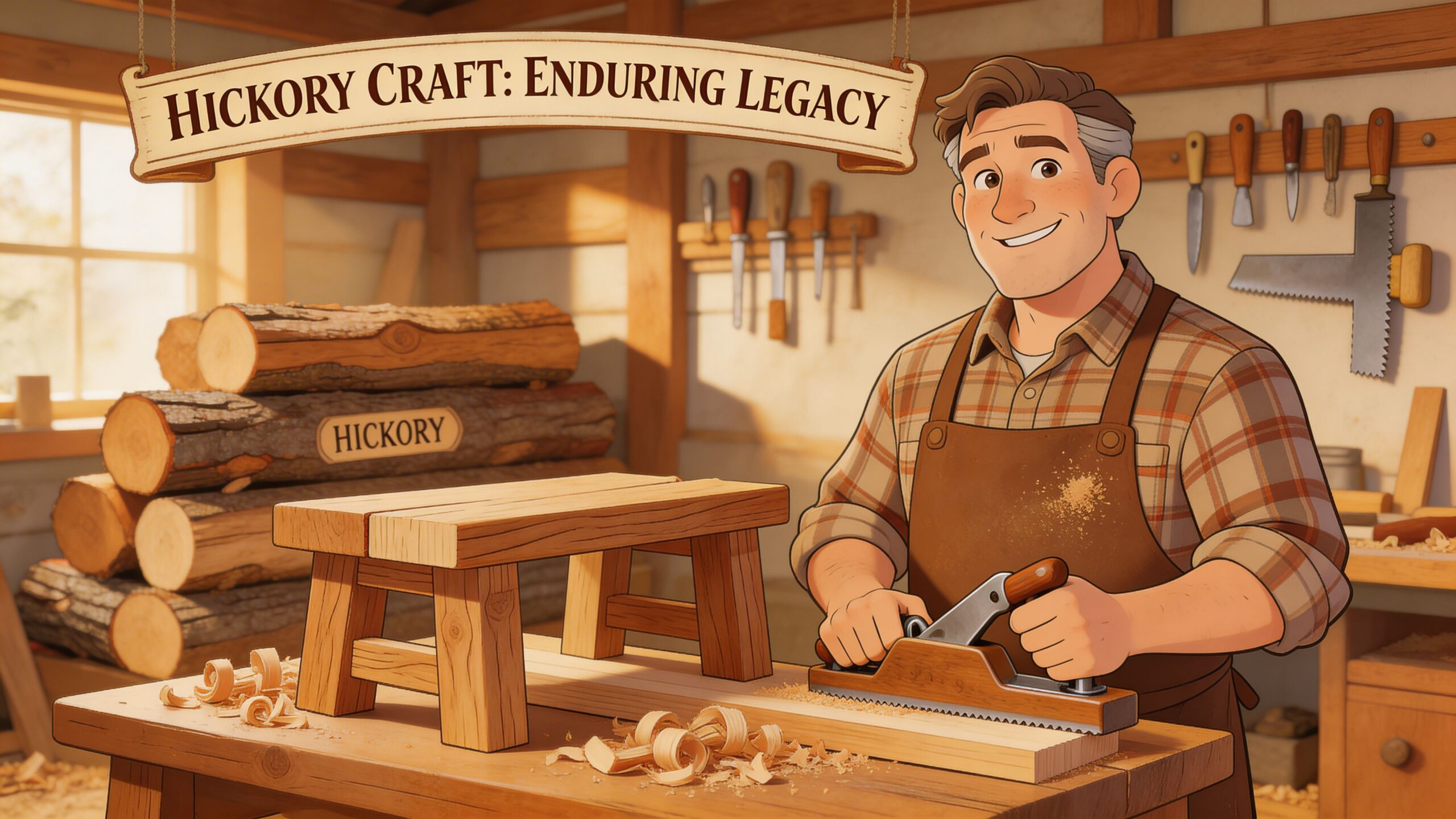
The second meaning is more literal. It points to hickory wood, a hardwood known for strength, bold grain, and visual character. When people talk about hickory pieces with admiration, they’re often responding to that unmistakable combination of durability and texture.
What solid hickory feels like in real life
If you’ve never handled a true hickory piece, think about furniture that has presence. Not oversized. Not clumsy. Just grounded.
Hickory often shows a lively grain pattern with natural color variation that gives a table or chair more movement than flatter-looking woods. In person, it can feel a little more rugged, more expressive, and more architectural than many shoppers expect from online photos.
That makes it especially appealing in homes that want warmth without fuss. It works beautifully in spaces that lean rustic, transitional, lodge-inspired, or even modern when paired with cleaner silhouettes.
Here’s where people sometimes get tripped up:
- Not every piece called hickory craft furniture is made from solid hickory. Sometimes the term references a design tradition or manufacturing lineage.
- Not every solid wood piece is built the same way. Wood choice matters, but joinery and frame construction matter too.
- Character is not a defect. Natural grain shifts, color variation, and small differences from board to board are often part of the appeal of real hardwood.
Good furniture should feel better the closer you get to it.
For Southeast Michigan homes, that matters. Light changes across the seasons. Rooms serve multiple jobs. Furniture has to work hard, and it has to age gracefully. Hickory’s visual depth and sturdy reputation make it a natural contender when you want a piece to stay relevant for the long haul.
Hallmarks of True Craftsmanship to Look For
Plenty of furniture looks polished under showroom lighting. The true test is whether the piece still performs after years of sitting, leaning, opening, closing, and living with it.
Start with the structure you can't see
For wood furniture, craftsmanship begins where many shoppers never look. Joinery tells a big part of the story.
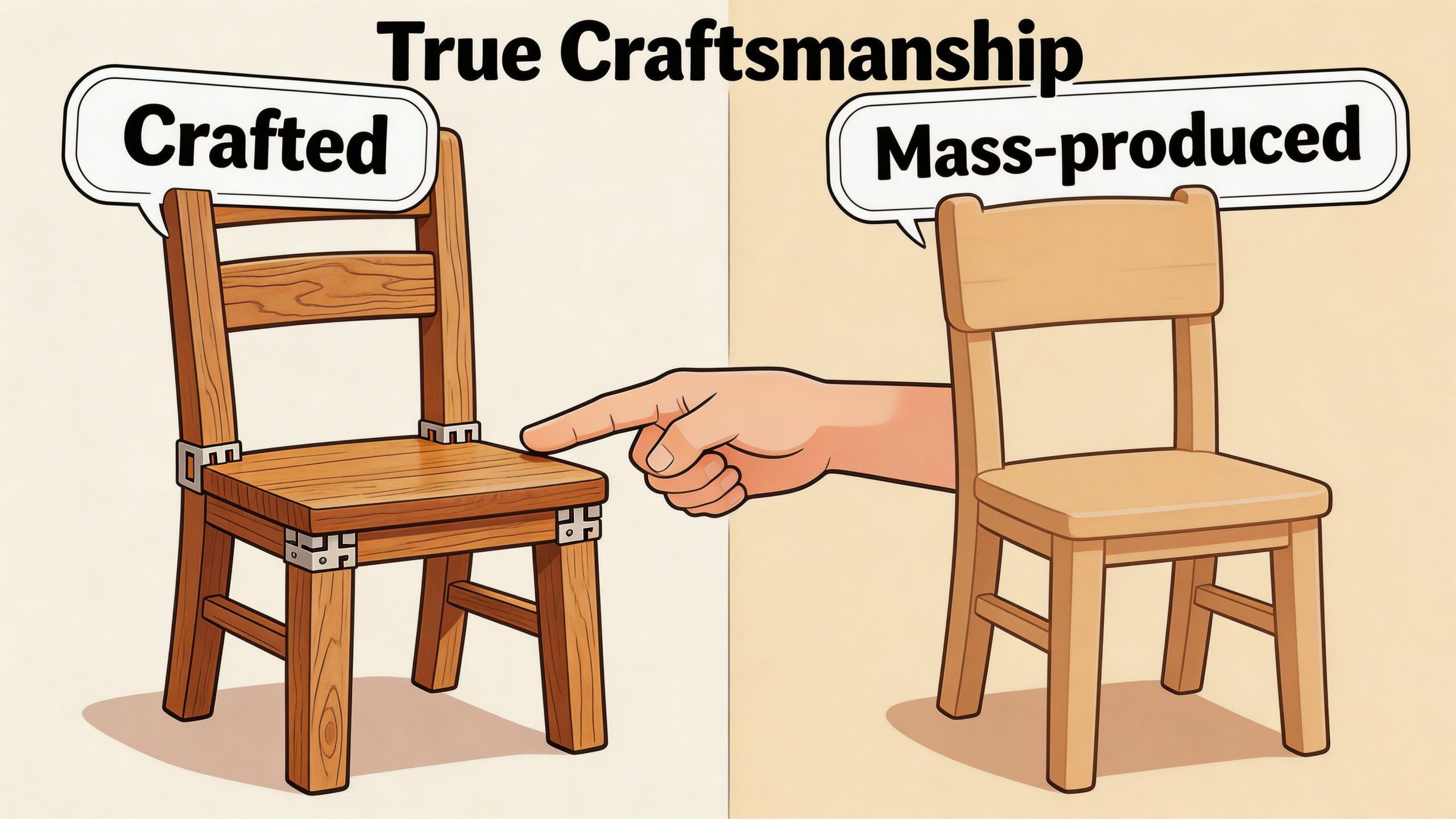
Time-honored methods such as mortise-and-tenon and dovetailing matter because they connect parts with mechanical strength, not just surface attachment. That’s one reason heirloom-minded buyers often compare custom and Amish-built furniture against mass-produced alternatives. The frame and joinery often decide whether a piece becomes a long-term companion or a short-term compromise.
If you’re evaluating case goods, this article on what to look for when buying chests, dressers, and cabinets gives shoppers a helpful checklist.
For upholstered furniture, structure is still the first thing to assess. Ask what supports the seat, how the frame is assembled, and whether the legs are integrated into the frame or attached.
Why cushion density matters
One of the clearest technical markers in upholstery is cushion density. The Hickorycraft production discussion notes that Hickorycraft furniture often employs 2.0 density high-resiliency foam in its seat cushions, which is higher than the industry standard of 1.8 density. This increased density provides a firmer, more supportive seating experience and significantly enhances long-term durability by resisting compression and sagging over years of use.
That sounds technical, but the everyday takeaway is straightforward. A better cushion holds its shape longer and gives you more dependable support.
For shoppers, that means:
- More consistent comfort: The seat doesn’t collapse into a hammock feeling as quickly.
- Better support: A firmer, resilient cushion often feels steadier getting in and out of the seat.
- Longer useful life: The sofa is more likely to remain pleasant to use instead of just acceptable to look at.
Questions worth asking on the showroom floor
A confident buyer doesn’t need fancy jargon. You just need practical questions.
Try these:
| What to ask | Why it matters |
|---|---|
| What kind of joinery is used? | It tells you how the structure is held together. |
| Is the piece solid wood, veneer, or a mix? | Material honesty affects durability and repairability. |
| What density foam is in the cushions? | Cushion support and shape retention depend on it. |
| Are the legs built into the frame or attached later? | Integrated construction usually feels more stable. |
Watch for this: If the salesperson can describe the inside of the furniture clearly, that usually means the maker has something worth describing.
Great craftsmanship isn’t mysterious. It leaves clues. Weight, steadiness, clean drawer action, supportive seating, and honest answers all point in the same direction.
Hickory Compared to Other American Hardwoods
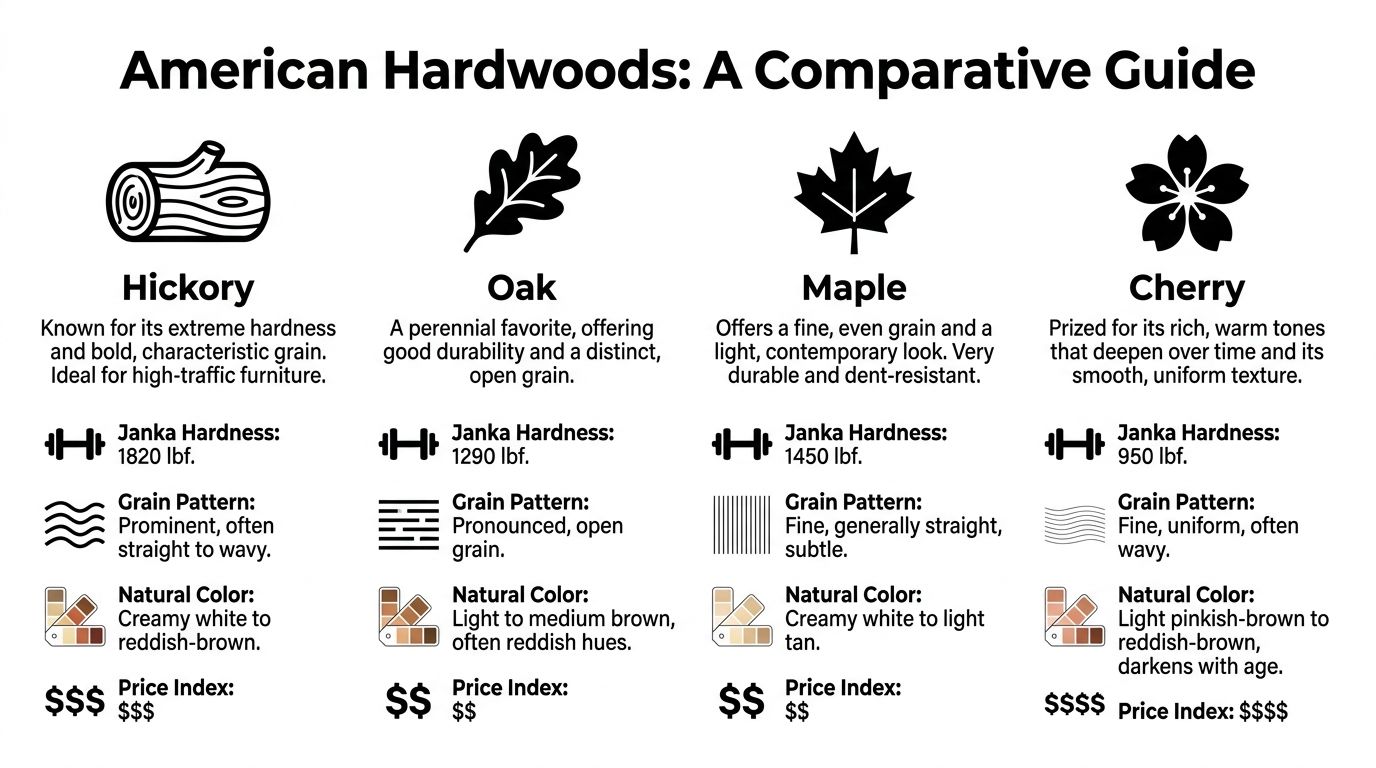
Shoppers often ask a fair question. If hickory has such a strong reputation, how does it compare with oak, maple, and cherry?
A quick visual helps.
A quick side by side view
| Wood | Look and feel | Best fit in the home |
|---|---|---|
| Hickory | Bold grain, noticeable variation, sturdy personality | Busy dining areas, family spaces, statement pieces |
| Oak | Familiar open grain, classic look | Traditional dining and bedroom furniture |
| Maple | Smoother, more even appearance | Clean-lined rooms, contemporary or shaker-inspired interiors |
| Cherry | Rich, refined, warm tone | Formal bedrooms, dressers, and elegant accent pieces |
Each wood has its own charm. Hickory usually appeals to buyers who want visible natural character. Maple attracts shoppers who want a quieter surface. Oak offers a time-tested look. Cherry often wins people over with warmth and a more formal personality.
If you want a broader primer on matching species to your needs, this guide on choosing the right hardwood for longevity and style is useful.
How to match wood to your lifestyle
The best wood isn’t the one with the best reputation on paper. It’s the one that fits how you live.
Choose hickory when you want:
- A hardworking surface: Great for spaces where the table or bench gets used constantly.
- Visible personality: Hickory rarely disappears into the background.
- A more rugged visual texture: It suits homes that want authenticity over polish.
Choose cherry when you want a more dressed-up look. Choose maple when subtle grain feels right for the room. Choose oak when you want a familiar classic.
One vivid example helps explain why hickory keeps coming up in durability conversations. The history of Old Hickory Furniture Co. states that the original dining chairs at Yellowstone's Old Faithful Inn, made by Old Hickory Furniture Co. from hickory saplings in 1904, are still in use today after more than 120 years, which is a powerful reminder of what well-crafted hickory furniture can become over time.
Some woods decorate a room. Hickory often anchors it.
For many Southeast Michigan households, that anchoring quality is exactly the point.
The Customization Edge for Your Michigan Home
Good furniture should fit your room. Better furniture fits your life.
That difference is where customization starts to matter. Many shoppers assume custom means choosing a fabric and waiting. Real bespoke furniture goes deeper than that.
Surface choices versus structural choices
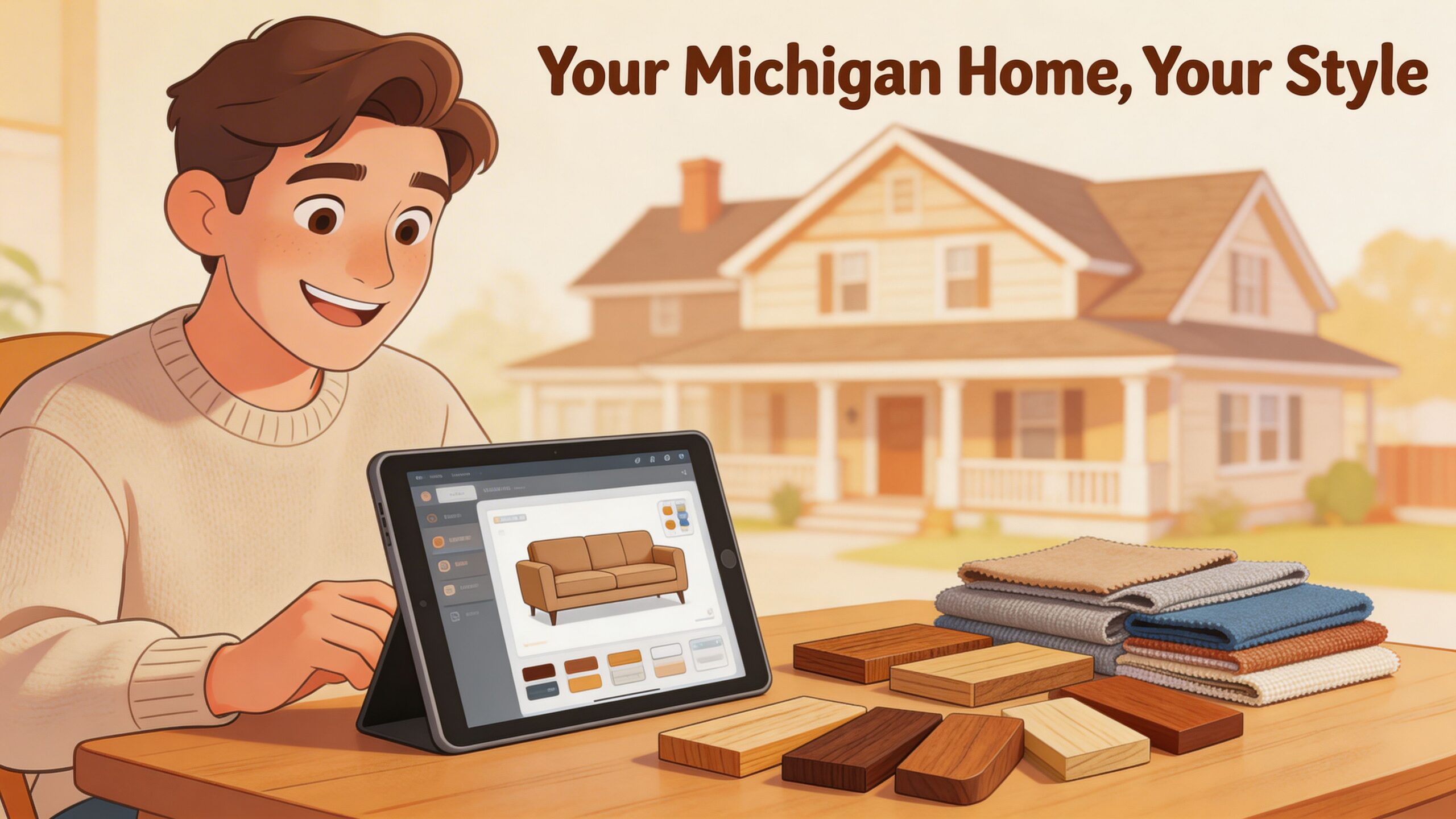
Fabric, leather, finish color, and hardware all matter. They shape the mood of the room and help a piece relate to everything around it.
But true heirloom customization often begins underneath the surface. The comparison notes on customization and Amish construction make an important point: While many brands offer fabric choices, true heirloom customization involves construction. Unlike some sub-brands of larger manufacturers, Tyner's Amish partners allow selection of the base wood species and use time-honored joinery like mortise-and-tenon, ensuring the frame's integrity is as personalized and durable as the finish.
That’s the distinction many buyers miss.
A made-to-order dining table built in your chosen wood species isn’t just a prettier version of an in-stock option. It’s often a different kind of purchase.
Where bespoke design pays off
Customization makes the biggest difference when the room has constraints or the piece carries emotional weight.
Consider where it helps most:
- Dining rooms: A Canadel program lets shoppers explore made-to-order combinations in size, finish, and silhouette so the table feels proportionate to the room instead of merely acceptable.
- Living rooms: Custom upholstery gives you control over fabric, leather, and configuration. That matters when traffic patterns, pets, or lighting conditions shape your choices.
- Comfort seating: Stressless stands out because ergonomic sizing matters. A recliner that fits your body correctly feels different from one that reclines.
- Bedrooms and case goods: Choosing wood species and stain lets the furniture work with flooring, trim, and nearby pieces instead of fighting them.
If you’re new to the process, custom furniture made simple breaks down how custom ordering works in practical terms.
A local buyer in Ann Arbor might need a narrower dining footprint, a specific stain to echo existing trim, or a recliner scaled for a condo living room. Off-the-floor shopping can solve part of that. Bespoke options solve more of it.
Customization isn't indulgence when it prevents a major purchase from becoming an almost-right purchase.
That’s especially true in a forever home. The longer you plan to live with a piece, the more valuable it becomes to choose the right dimensions, the right materials, and the right construction from the beginning.
Caring For Your Heirloom Furniture Investment
Quality furniture asks for care, not babysitting. A few steady habits do more good than a cabinet full of specialty products.
Daily habits that protect wood
Solid wood responds to its environment. That’s normal.
Keep these habits in mind:
- Dust gently: Use a soft, dry cloth rather than anything abrasive.
- Use protection where life happens: Placemats, coasters, and felt pads help preserve finishes in dining and living areas.
- Avoid extreme conditions: Direct sun, heat vents, and big swings in indoor humidity can stress wood over time.
- Clean spills promptly: Moisture that sits is harder on finishes than moisture that gets wiped up right away.
For a deeper maintenance guide, protecting wood furniture from scratches and stains offers helpful everyday advice.
Simple upholstery care that helps furniture age well
Upholstery benefits from the same common-sense approach.
- Rotate seat use when possible: Even wear helps cushions age more evenly.
- Vacuum creases and arms: Dust and grit can shorten the life of fabric if they stay trapped in contact points.
- Follow the maker’s cleaning code: The right cleaner matters. Guessing isn’t worth it.
- Address small issues early: A loose button, shifted cushion insert, or minor wobble is easier to correct before it becomes a bigger problem.
For minor surface marks on wood, start conservatively. Don’t rush to aggressive repair products. Often the best long-term outcome comes from gentle cleaning and informed touch-up rather than overcorrecting.
Furniture becomes heirloom furniture through use, but also through care. The goal isn’t perfection. It’s stewardship.
Find Your Forever Furniture in Ann Arbor
A forever piece should do more than match your room. It should support your routine, hold up to use, and still feel right after the novelty wears off.
That’s why in-person testing matters.
What to test before you buy
When you visit a showroom, don’t just stand back and look. Interact with the piece the way you would at home.
Do a real sit test. Open the drawers fully. Put your hand under the table edge. Feel the weight of the wood. Notice whether the chair feels settled beneath you or slightly restless.
If you’re shopping motion furniture, pay close attention to how the mechanism fits the room. The Hickorycraft recliner information notes that premium power recliners available at Tyner Furniture often integrate Leggett & Platt mechanisms that require as little as 3 inches of wall clearance for a full recline, which makes them especially practical in compact living rooms, sectionals, and multi-use spaces.
That kind of detail matters in Ann Arbor homes, where room size and layout often demand smarter planning rather than bigger furniture.
Frequently asked questions
Is hickory craft furniture only for rustic interiors?
Not at all. Hickory works beautifully in rustic spaces, but it can also look sharp in transitional, modern farmhouse, and clean-lined interiors depending on the silhouette and finish.
Is custom furniture worth the wait?
If the piece needs to fit a forever home, custom is often the smarter route. Better sizing, better material choices, and better long-term satisfaction usually justify the extra planning.
What should I prioritize first, wood species or construction?
Start with construction. A beautiful wood can’t rescue weak joinery or poor support.
Can I furnish more than just a living room this way?
Yes. The same thinking applies across dining rooms, bedrooms, home offices, and even outdoor spaces. A whole-home approach creates a more coherent interior design story.
For Southeast Michigan shoppers, the best next step is straightforward. Go touch the materials, test the support, and compare in-stock options with made-to-order possibilities side by side. That’s often when the difference between ordinary furniture and lasting furniture becomes obvious.
If you’d like help narrowing the field, visit Tyner Furniture in Ann Arbor on South State St. for a proper sit test and hands-on look at heirloom-quality options. Since 1957, Tyner has helped Southeast Michigan shoppers furnish everything from the home office to outdoor spaces with a focus on longevity, customization, and honest guidance. You can also browse online Quick Specs for special orders, explore bespoke options from Canadel and Stressless, and ask about the Low Price Promise and Special Financing to make a significant home investment feel more manageable.