How to Choose an Ergonomic Chair for Back Pain That Works

The usual search starts at midnight. One sore lower back, one browser full of chair specs, and still no clear answer on what helps. The problem isn't that shoppers aren't trying hard enough. It's that most guides treat an ergonomic chair for back pain like a magic object instead of part of a sitting system, which is why the wrong chair can still leave someone stiff, distracted, and wishing they had stayed on the couch.
A better approach is simpler. Fit the chair to the body, not the other way around, then judge whether the recline, lumbar shape, and armrest position support real sitting, not showroom posing. For a broader posture framework, a practical ergonomic desk setup guide is useful alongside chair selection, and so is a calmer buying process like the one outlined in Tyner's furniture buying journey.
Why Most Ergonomic Chair Guides Miss the Real Problem
The common mistake is starting with features instead of fit. A chair can look impressive on a product page and still fail the body in person, especially if the seat edge presses behind the knees, the lumbar pad sits too high, or the recline locks the spine into a rigid angle. That is why online spec sheets often create more anxiety than clarity.
A major 2024 systematic review found that chair design can measurably change posture-related back-pain risk, but the evidence is not uniformly positive. In one included comparison, wooden steel chairs were reported as a greater postural risk factor for lower back pain than stackable arm chairs, but pain itself was not measured in that comparison (systematic review). That distinction matters. A chair can improve alignment without automatically erasing pain.
Practical rule: If the chair only feels good for thirty seconds, that's not evidence. A back-friendly chair has to hold up through real use.
The wrong question shoppers ask
People often ask, “Which chair has the most lumbar support?” The better question is, “Which chair fits this body, this desk, and this work pattern?” One controlled office-chair study found that 39% of participants were classified as pain developers, meaning they developed significant pain during the sitting task despite different chair configurations (study summary). That tells the whole story. Even well-designed seating doesn't rescue every sitter.
The same review has stayed cautious for years. A 2021 systematic review of chair interventions found the evidence quality to be very low to low, and concluded that chair interventions are not recommended as a standalone strategy to reduce low back pain or to activate trunk muscles (systematic review). That doesn't make chairs useless. It means the chair is one piece of the problem, not the whole answer.
For a shopper in Ann Arbor or anywhere in Southeast Michigan, that's helpful. It narrows the task. Choose for fit, then judge whether the chair supports movement, posture, and the rest of the workstation. Tyner's posture guidance fits that mindset better than any glossy checklist ever will.
What the Research Says About Ergonomic Chairs and Back Pain
The evidence is plain. Ergonomic seating helps most when it changes posture, reduces pressure, and fits the body, but it does not act like a cure. A review of chair interventions for lower back pain found the overall evidence to be low quality, and earlier trial reviews reached the same direction, with ergonomic interventions not clearly outperforming no ergonomic intervention for low back pain incidence, prevalence, or intensity. That should stop the hard sell. Chairs matter, but they do not fix everything on their own.
A separate controlled office-chair study found that lumbar support and seat-pan tilt produced the most neutral back posture, yet they still did not eliminate clinically significant sitting-induced pain for a large portion of the sample (study summary). That is the part shoppers need to hear before they start chasing extra padding and flashy feature lists. Better posture helps, but posture improvement alone does not guarantee comfort.
What that means in plain language
A chair can do three useful things.
- Reduce bad positioning: It can help the pelvis stay less tucked under and the spine stay less collapsed.
- Share load better: Recline and lumbar geometry can move force away from the lumbar discs.
- Support longer sitting without fighting the body: Good fit lowers the amount of constant correcting the user has to do.
A chair cannot do one big thing. It cannot make up for every hour of stillness, every bad desk height, or a pain condition that needs medical attention. For readers sorting through chronic symptoms, a useful back-pain resource can help separate seating discomfort from problems that need clinical evaluation.
The strongest takeaway is simple. Adjustability matters because bodies vary. The review evidence and the controlled-chair findings point the same way, chairs are tools, not cures. The practical standard is fit plus movement, not cushion thickness plus hope. For readers who want posture help in the chair and at the desk, Tyner's posture guidance is a useful place to start.
The Body-Fit Sequence Every Shopper Should Run Through
A chair fits when the body stops negotiating with it. That means running the same sequence every time, in the same order, until the chair either supports the body or makes the body compensate. Seat height comes first, because everything else depends on where the feet, knees, and hips land.
Federal ergonomic guidance recommends a seat height of 15 to 22 inches, fixed seat depth of 16.9 inches or less, a backrest at least 17.7 inches high and 14.2 inches wide, and lumbar support adjustable so its center sits 5.9 to 9.8 inches above the seat pan (federal ergonomic guidance). Those numbers aren't decoration. They describe a seat that doesn't crowd the knees, miss the lower back, or force the pelvis into a backward tilt.
Step by step in the showroom
Seat height first.
The feet should rest flat, with the hips slightly above the knees. If the thighs slope uphill or the feet dangle, the chair loses before the test even starts.Seat depth next.
Leave about 2 to 3 fingers behind the knees. That gap matters because the front edge shouldn't press into the back of the leg.Lumbar height.
The support should meet the small of the back, around belt-line height. If it sits too high, it nudges the rib cage instead of the lumbar curve.Lumbar depth.
The pad should fill the inward curve, not jab into it. The feeling should be contact, not pressure.Armrests last.
Shoulders should drop naturally, not shrug up to meet the arms. If the arms force the shoulders to rise, the fit is off.
Showroom cue: A chair is usually wrong when the shopper notices the chair more than the posture after a minute or two.
For taller users, body fit becomes even more important, because seat depth and back height can miss the frame entirely. This tall-user chair guide is useful for anyone who has already learned that “one-size-fits-all” usually means “fits almost nobody well.”
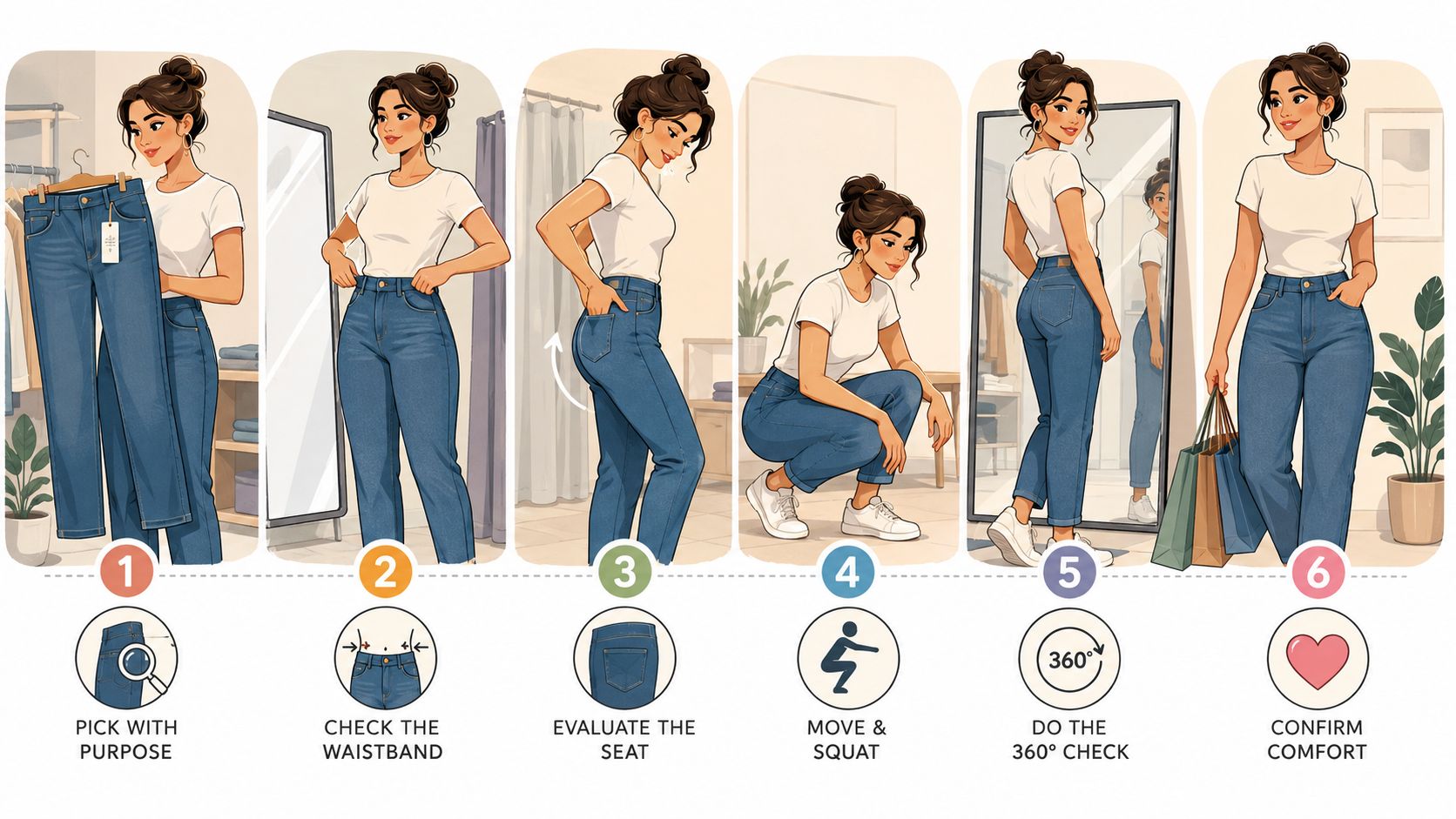
The point of the sequence is not perfection. It's repeatability. A shopper can run this same test on any chair in any showroom, whether the chair is a task model or something softer and more relaxed.
Task Chairs, Recliners, and Ergonomic Sofas Compared
Not every chair that helps a sore back looks like an office chair. Some people need upright support for focused work. Others need a seat that lets the spine unload after dinner. A few need both, which is where a recliner or an ergonomic sofa starts making more sense than a rigid task chair.
| Chair Type Comparison for Back Pain | Best For | Key Strength | Limit to Watch |
|---|---|---|---|
| Task chair | Desk work, typing, short posture resets | Tight adjustability, upright support | Can feel unforgiving if the user sits still too long |
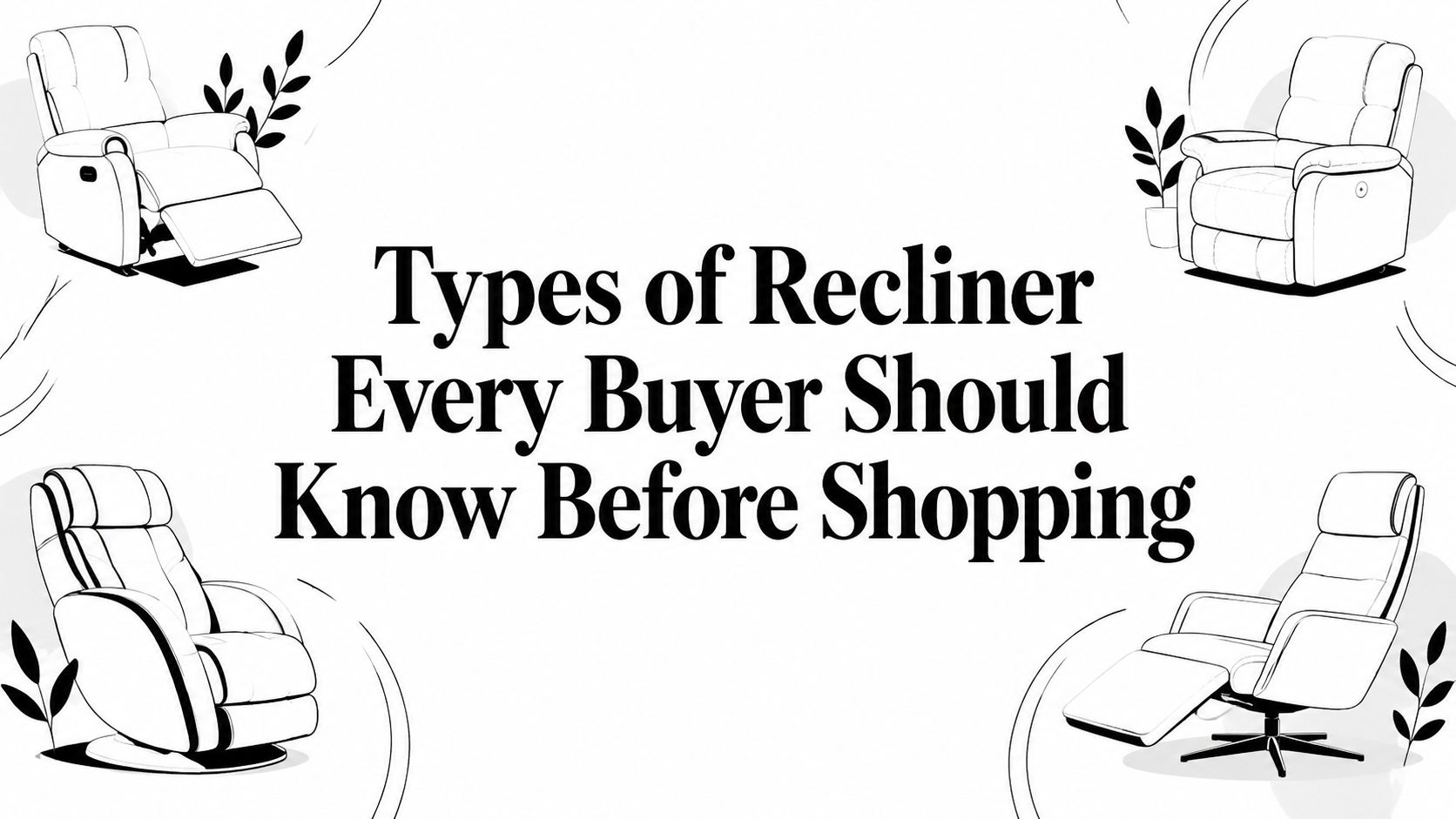
| Ergonomic recliner | Reading, evening use, decompression | Supported recline and spinal unloading | Poor fit if sizing is generic |
| Ergonomic sofa | Long living-room sitting, casual support | Better comfort for shared spaces | Often weaker lumbar precision than a dedicated chair |
A recliner is especially useful when the pain pattern gets worse in rigid upright sitting. Cornell-style ergonomics guidance notes that lumbar disc pressure and muscle activity are lowest in a supported recline of about 110° to 130°, which helps explain why some people do better when they lean back rather than sit bolt upright all day. That angle gives the spine room to unload.
Where each option tends to fit best
A task chair belongs in a home office or dedicated workstation where frequent adjustment matters more than softness. A recliner makes sense when the body wants decompression, especially for reading, conversation, or breaks between desk sessions. An ergonomic sofa works when the room is the living room, not the workstation, and the goal is to avoid the slow collapse that happens on a soft, shallow couch.
For shoppers comparing back support in a reclined format, this guide to recliners for back support is a smart place to think about frame shape, support zones, and how the chair behaves once someone leans into it.
The practical insight is blunt. A chair that's perfect for spreadsheets can be miserable for a long TV night. A recliner that feels luxurious at rest can be wrong for eight hours of typing. Match the chair to the session, not the fantasy.
The In-Store Sit Test Checklist
Online research gets the shopper to the floor. The sit test decides the sale. A chair can look ideal on paper and still fail in the first few minutes once the body settles into it, which is why a showroom visit matters for anything that will be used every day for years.
Start with a two-minute rule. If the chair can't feel workable after a couple of minutes, it usually won't improve later unless the fit changes. Then check whether the lumbar support lands in the right place without forcing the pelvis forward or the ribs up.
A showroom routine that catches bad fits fast
- Watch the knees first. If the front edge presses into the legs, the seat is too deep or too low.
- Check shoulder relaxation. If the shoulders lift to meet the armrests, the chair is too tall or the arms are too high.
- Test the back contact. The lumbar area should feel supported, not stabbed.
- Try the recline. A supported tilt should feel like the back is sharing load, not like the body is slipping away from the chair.
- Stay seated long enough to notice pressure. A chair that feels fine at thirty seconds can expose its weak points around ten minutes.
The recline test matters because supported sitting and upright sitting feel very different to the spine. Studies and ergonomic guidance point to recline as part of the solution, not an optional luxury, and the better chairs let the sitter move between upright work and a more open angle without fighting the mechanism.
Pro tip: A good chair doesn't trap the body in one posture. It gives the body a few good ones.
That is exactly why a showroom on South State St. can be more useful than a dozen browser tabs. The eye may forgive a bad proportion. The back won't. A fit test reveals what spec sheets hide, especially for buyers who need the chair to solve a real pain pattern rather than just fill a room.
Why Lumbar Padding Alone Will Not Save Your Back
Thicker padding gets sold as the fix. It rarely is. The back does not want a deep cushion jammed into it, it wants a shape that follows the curve without forcing it, and it needs room to change position. That puts recline and chair geometry ahead of foam density every time.
A supported recline of about 110° to 130° lowers lumbar load more effectively than stiff upright sitting, because the spine is not carrying the same constant compressive pattern. Cornell ergonomics guidance points to supported recline as the position where lumbar disc pressure and muscle activity are lowest, which explains the reason some chairs feel better fast while others just feel padded.
Customization is the other half of the story. A 2024 analysis reported that adjustable pads reduced musculoskeletal complaints by 58% compared with fixed designs, and a cited study found adjustable models reduced lower back pain by 72% over six months, compared with 54% for fixed versions. Those figures line up with what a good sit test shows in the showroom. Customization is not decorative.
A fixed lumbar pad only works when it lands in the right place, at the right depth, while the body is doing the kind of sitting the chair was built for.
What usually goes wrong with fixed lumbar pads
Fixed lumbar support usually misses in one of three ways.
- Height: The pad lands too high or too low.
- Depth: The pad pushes too hard or barely touches.
- Timing: The chair supports one posture and falls apart when the sitter shifts.
Support works best when it follows posture and movement rather than pretending the body can stay still forever, as the Thermo Recovery Wear back support article also makes clear from a different angle.
The showroom lesson is straightforward. A chair with a softer-looking back can beat a firmer one if the shape matches the spine and the recline behaves properly. Buyers should trust what the body says after a few minutes, not what the cushion promises in a product headline.
How Custom Sizing, Stressless, and Amish Craftsmanship Fit Together
The fit sequence is settled. The next question is whether the chair matches the sitter and whether the rest of the room will support that choice for years. Custom sizing, durable construction, and sensible financing belong in the same decision, because a back-friendly chair that falls short on fit or build quality stops being a good buy quickly.
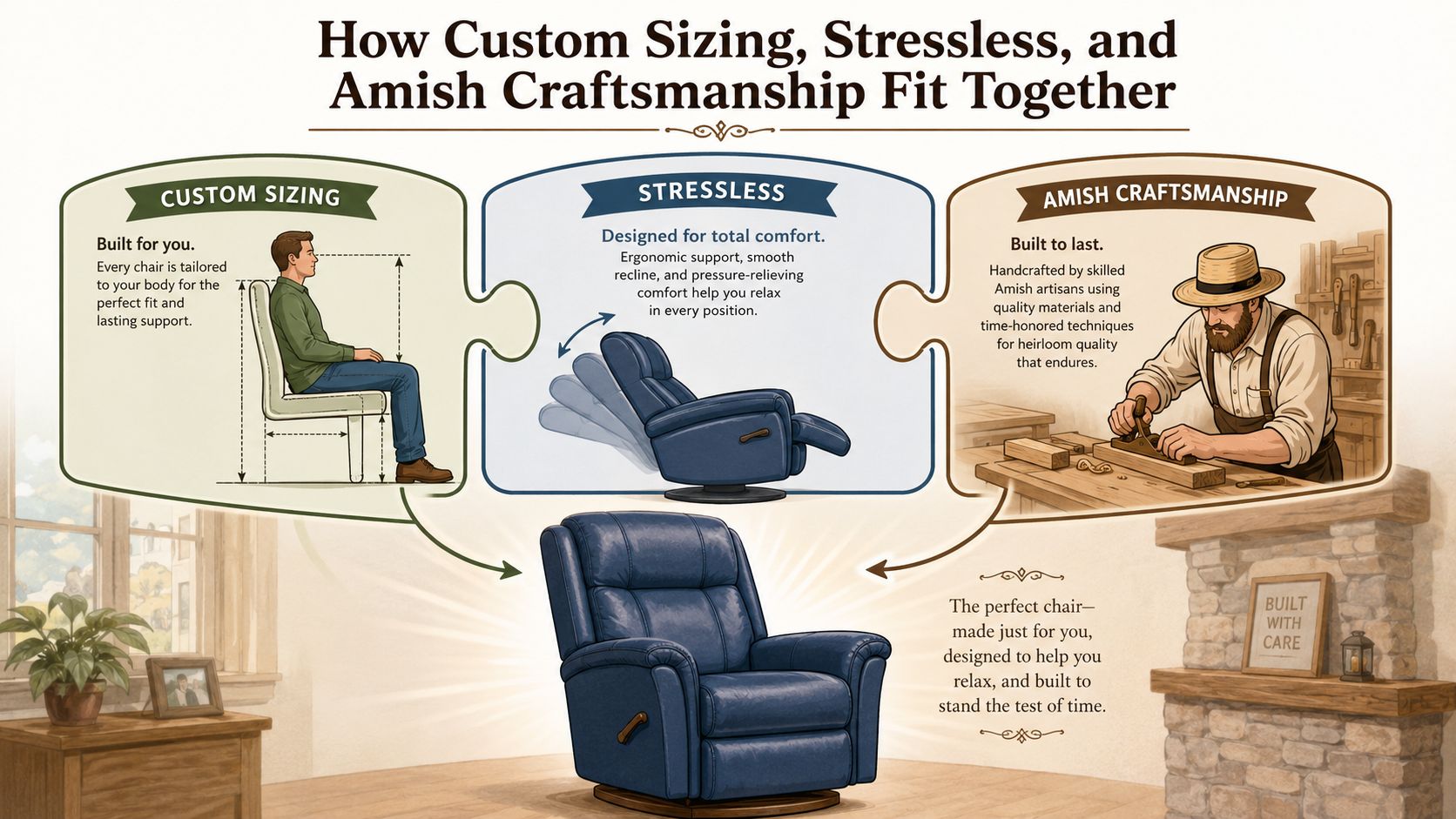
A recliner built around Small, Medium, and Large sizing does more useful work than one generic shell. Bodies do not fit the same proportions, and a custom-sized recliner with active support gives the spine room to settle into motion instead of forcing the sitter to brace against the chair. Stressless ergonomic seating options fit that logic well, because the point is not a fancy feature list, it is a chair that matches the person who sits in it. For buyers who care about total cost-per-year, that is usually a smarter purchase than replacing a chair that never felt right.
The same thinking applies to the rest of the room. Hand-crafted Amish pieces matter when the desk or nearby furniture needs the stability and material integrity that mass-produced veneer furniture often lacks. The appeal is not nostalgia. It is longevity, joinery, and the weight of a piece that belongs in the house for years, not seasons.
Tyner Furniture has worked from Ann Arbor since 1957, and that local legacy shows up in the way the showroom handles both bespoke seating and made-to-order home pieces. Tyner also covers the rest of the home, from the Home Office to Outdoor Spaces, which matters for buyers trying to keep one design language across the house. In practice, that means the chair can be chosen with the same eye for craftsmanship, durability, and interior design that people use for dining and living rooms.
Value rule: The right chair costs less per year when it fits the body and lasts long enough to matter.
For buyers who want a more approachable purchase path, Special Financing and the Low Price Promise reduce the barrier without lowering the standard. That is a better way to buy a long-term chair, because comfort and budget do not have to fight each other.
Your Next Steps and the Showroom Sit Test
The decision gets easier when it stays disciplined. Run the body-fit sequence, test the chair for a few minutes, pay attention to recline and lumbar contact, and don't settle for a size that almost works. If the chair still feels wrong after that, move on.
A good plan is plain. Fit first. Sit test second. Custom sizing third. Long-term value always. That approach is especially useful for Ann Arbor and Southeast Michigan shoppers who'd rather buy once and keep the chair for years than replace a near-miss later.
Since 1957, Tyner Furniture has built a local reputation around lasting pieces, and that kind of local legacy still matters when the purchase affects daily comfort. For a chair that has to work from Monday morning through evening reading, the smartest next step is a visit to the South State St. showroom or a look through the online Quick Specs for special orders. Special Financing can make the right fit easier to bring home without turning the decision into a compromise.
Tyner Furniture offers ergonomic seating, custom order options, and guidance for shoppers who need a chair that fits the body instead of fighting it. Visit Tyner Furniture to plan a showroom sit test in Ann Arbor, compare Quick Specs for special orders, and choose a chair that makes back pain management more practical for everyday life.