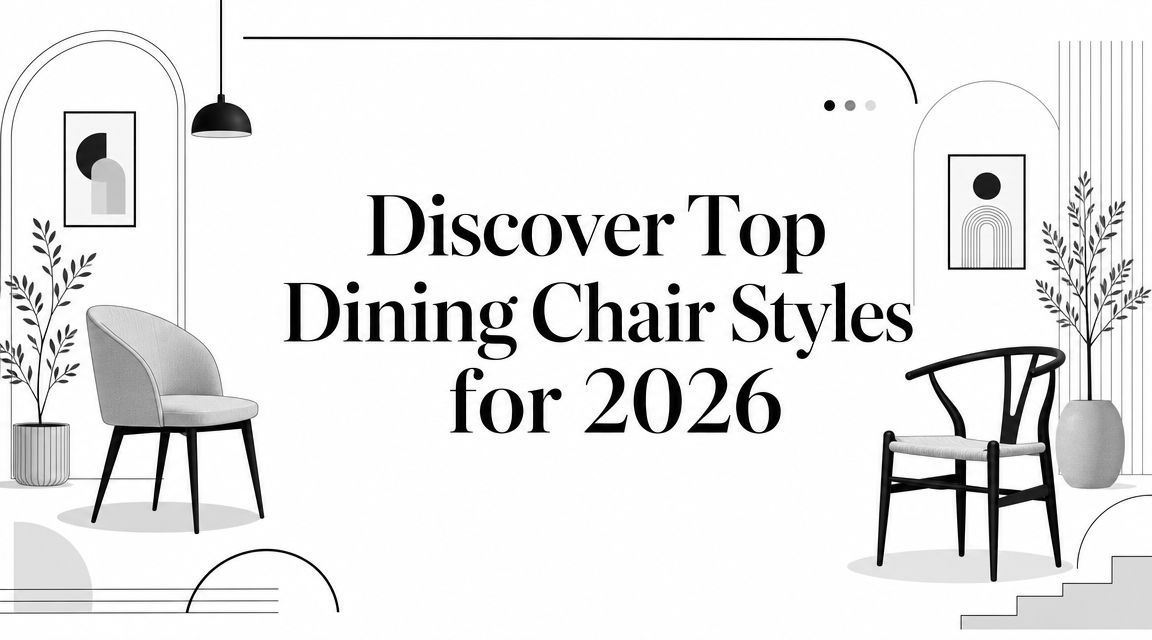
Discover Top Dining Chair Styles for 2026

A lot of people start shopping for dining chairs the same way. They find a table they like, scroll through page after page of seats, and then hit the same wall. One chair looks too formal. Another looks comfortable but bulky. A third looks perfect until they picture a holiday meal that runs long and realize nobody will want to stay seated in it.
That confusion is normal. Dining chair styles carry history, visual personality, and practical consequences all at once. The chair that looks right in a photo may feel wrong after dessert. The chair that seems small-space friendly may not hold up to everyday family use. Since 1957, families in Ann Arbor and across Southeast Michigan have been sorting through those same decisions with a focus on what lasts: comfort, craftsmanship, and a look that still feels right years from now.
Table of Contents
- Choosing Your Dining Chair Is More Than Just Style
- First Things First Sizing and Ergonomic Comfort
- A Visual Guide to Popular Dining Chair Styles
- The Solid Wood Standard Why Materials Matter
- How to Pair Chairs with Your Dining Table
- The Art of Mixing and Matching Chair Styles
- Find Your Forever Chairs at Tyner Furniture
Choosing Your Dining Chair Is More Than Just Style
A dining chair doesn't live in isolation. It has to work during quick weekday breakfasts, long birthday dinners, homework sessions, and the kind of gatherings where people stay at the table longer than planned. That's why choosing among dining chair styles usually gets harder the closer a shopper gets to making a final decision.
A slim chair might preserve visual openness in a smaller room, but it can also feel spare if the household uses the dining room every day. A generously upholstered chair may feel inviting, yet it can look heavy beside a light, airy table. Homes with kids, pets, or frequent guests also put different demands on the finish, fabric, and frame.
The right dining chair should still feel like a good choice after the meal runs long.
That practical lens matters even outside the dining room. Chair legs, glides, and overall weight affect flooring wear, especially in busy households. For anyone also thinking through the room from the floor up, Buff & Coat's expert flooring recommendations offer useful guidance on scratch-resistant surfaces that hold up well under everyday chair movement.
The long view usually leads to better furniture decisions. A local legacy business serving Southeast Michigan since 1957 has seen plenty of trend cycles come and go. The chairs that earn their keep aren't just fashionable for a season. They fit the room, support the body, and hold their structure over years of real use.
First Things First Sizing and Ergonomic Comfort
A dining chair usually gets judged in the showroom in about 30 seconds. Real life judges it over two hours, across holiday meals, homework at the table, and one more cup of coffee after dinner. Good proportions matter because they decide whether a chair still feels right after the first few minutes.
The measurements that matter most
Start with the relationship between the seat and the table. For most standard dining tables, a chair seat that leaves enough space under the top gives people room for their legs and lets them sit upright without feeling pinched. One widely used sizing guide notes that standard dining chairs often fall in the 18 to 20 inch range for tables that are 28 to 30 inches high, with about 10 to 12 inches between the seat and tabletop. The same source also recommends planning about 24 inches of width per person, roughly 6 inches between chairs, and about 36 inches between the chair backs and nearby walls or furniture for easier movement, according to this dining chair sizing guide.
Those are the numbers that prevent the complaints people mention after the fact. Knees hit the apron. Elbows compete for space. Guests have to slide sideways to leave the table.
In our store, this is often the point where shoppers realize a chair can be attractive and still be the wrong fit for the room.
Comfort for real meals, not quick showroom impressions
Comfort shows up in smaller details too. Seat width, seat depth, back shape, and seat firmness all change how long someone wants to stay seated. Guidance from Joss and Main's dining chair advice highlights common comfort ranges such as 18 to 22 inches for seat width and 20 to 24 inches for seat depth, while also noting that upholstered seats, supportive backs, and arms often suit longer meals better.
That does not mean every dining room needs a large, fully upholstered captain's chair at every place setting. There are real trade-offs. Armless chairs make it easier to fit more people around the table and keep a room looking lighter. Chairs with arms and fuller backs usually win on comfort, but they take more visual and physical space.
The better question is how your family uses the room. A formal dining space used a few times a year can handle a leaner profile. A table that serves daily dinners, school projects, and long weekend visits benefits from a chair with more support and a seat people do not rush to leave.
Practical rule: If people regularly stay at the table after the plates are cleared, choose the chair for comfort first and style second.
Shoppers comparing support across different seating types can browse ergonomic seating solutions for long-term comfort to get a clearer sense of what proper fit feels like over time.
A Visual Guide to Popular Dining Chair Styles
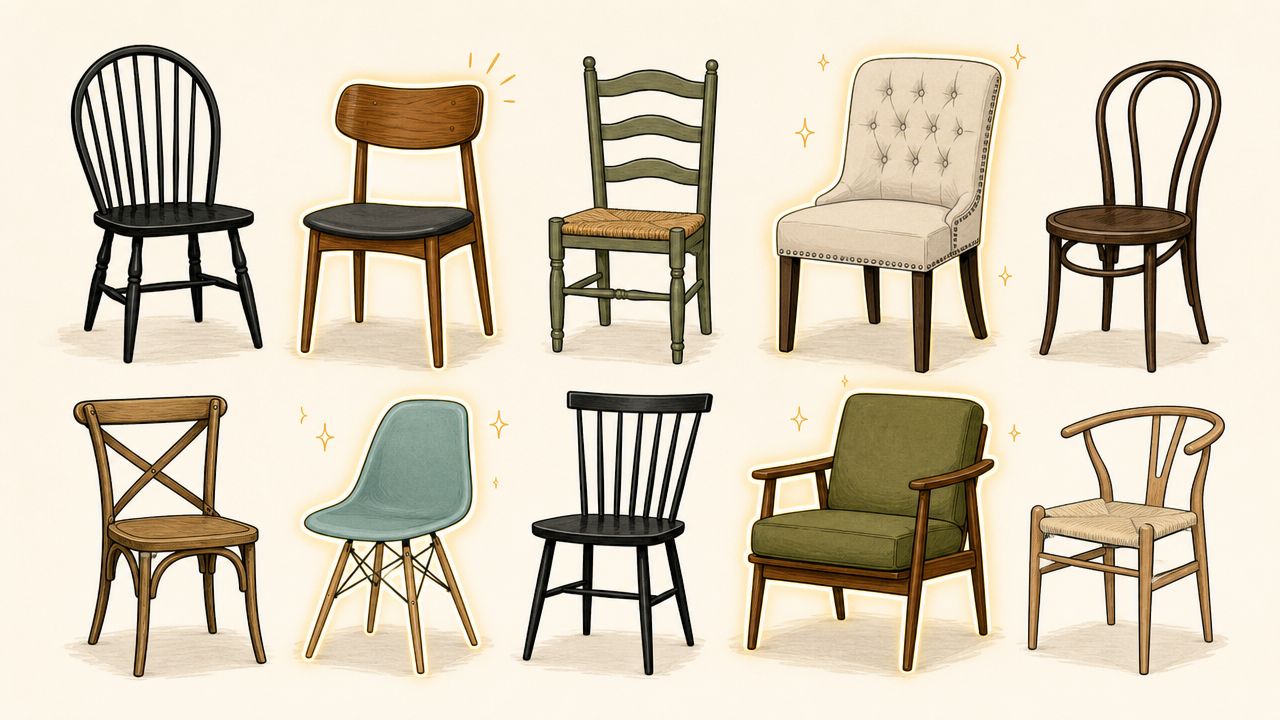
A family comes in wanting "something timeless," and within ten minutes they are choosing between a slim spindle chair, a fully upholstered host chair, and a clean-lined Scandinavian frame. All three can be beautiful. They do not live the same way.
That is the part style labels often miss. A dining chair is not only a look. It sets the tone of the room, changes how the table feels in use, and shapes whether people settle in comfortably or start shifting in their seats halfway through dessert. After decades of helping families furnish dining rooms that stay in service for years, I can say the best choice usually comes from matching the chair's feel to the household, not chasing a category name.
Style names matter because they signal how a chair lives
Many familiar dining chair forms trace back to older furniture traditions. Shaker chairs favor restraint and honest construction. Windsor chairs use spindles and shaped seats to keep the silhouette open. Mid-century designs strip away ornament and let proportion do the work. Those roots still show up in the chairs shoppers bring home today.
For a broader view of how chair style fits into the room as a whole, dining room style ideas for different homes can help connect the chair to the table, lighting, and surrounding furniture.
Style also hints at practical trade-offs. A chair with a broad upholstered back may feel warm and generous, but it carries more visual weight. A spindle-back or open-back chair keeps the room lighter and often works better where space is tight. Neither is automatically better. The right choice depends on how formal, relaxed, busy, or hard-working the room needs to be.
Popular dining chair styles and the kind of home they suit
Shaker and ladder-back chairs
These are dependable choices for households that value simplicity, solid construction, and furniture that does not date quickly. They pair especially well with wood tables and homes where craftsmanship matters more than ornament. They also tend to age gracefully because their appeal comes from proportion and joinery, not surface trend.
Windsor-style chairs
Windsors bring a lot of character without making a room feel heavy. The spindled back keeps them visually open, which helps in smaller dining rooms or spaces where a solid set of chairs would look too dense. They often suit casual traditional homes, farmhouse rooms, and transitional spaces that need texture.
Parsons chairs
A Parsons chair softens a dining area quickly. Upholstery can make everyday meals feel more comfortable, and the simple shape works with many table styles. The trade-off is maintenance. Fabric seats and backs ask more of families with young children, pets, or frequent spills.
Mid-century modern chairs
These chairs usually have a lighter frame, tapered legs, and a neat profile. They work well in smaller rooms because they leave more visual breathing room around the table. Some are quite comfortable. Others put style ahead of lingering, so the seat shape and back pitch matter more here than the label.
Scandinavian-inspired chairs
This group often feels warmer and quieter than sharper modern styles. Light wood tones, gentle curves, and clean lines give them an easy presence in bright homes. They are a good fit for families who want the room to feel calm and current without looking cold.
Open-back chairs
Open-back designs sit in a useful middle ground. They have more frame presence than a spindle chair but less bulk than a fully upholstered back. I often recommend them when clients want the chairs to look substantial from across the room without crowding the table.
Fully upholstered dining chairs
These are often the most inviting for long meals, holiday gatherings, and multipurpose dining rooms. They can feel refined, relaxed, formal, or casual depending on the fabric and leg style. They also take up more space and generally ask for more care, so they make the most sense when comfort is a top priority.
A quick comparison
| Style | What it tends to feel like | Often works best in |
|---|---|---|
| Shaker | Grounded, simple, enduring | Traditional, transitional, and heirloom-minded rooms |
| Windsor | Open, classic, casual | Farmhouse, cottage, and relaxed traditional spaces |
| Parsons | Soft, tailored, flexible | Dining rooms that need comfort and a cleaner silhouette |
| Mid-century modern | Light, neat, architectural | Smaller rooms and modern interiors |
| Scandinavian | Calm, warm, understated | Bright homes and soft modern spaces |
| Open-back | Structured but airy | Rooms that need presence without heaviness |
| Upholstered | Comfortable, substantial, inviting | Everyday dining, entertaining, and longer meals |
Style preferences also shift with the rest of the home. Homeowners updating dining spaces alongside kitchens or entry areas often notice how chairs relate to surrounding finishes, especially natural materials, handmade surfaces, and warmer textures seen in upcoming design trends featuring artisanal tiles.
The safest choice is rarely the chair with the loudest personality. It is the one that still feels right after years of family dinners, celebrations, homework sessions, and extra guests pulled up to the table.
The Solid Wood Standard Why Materials Matter
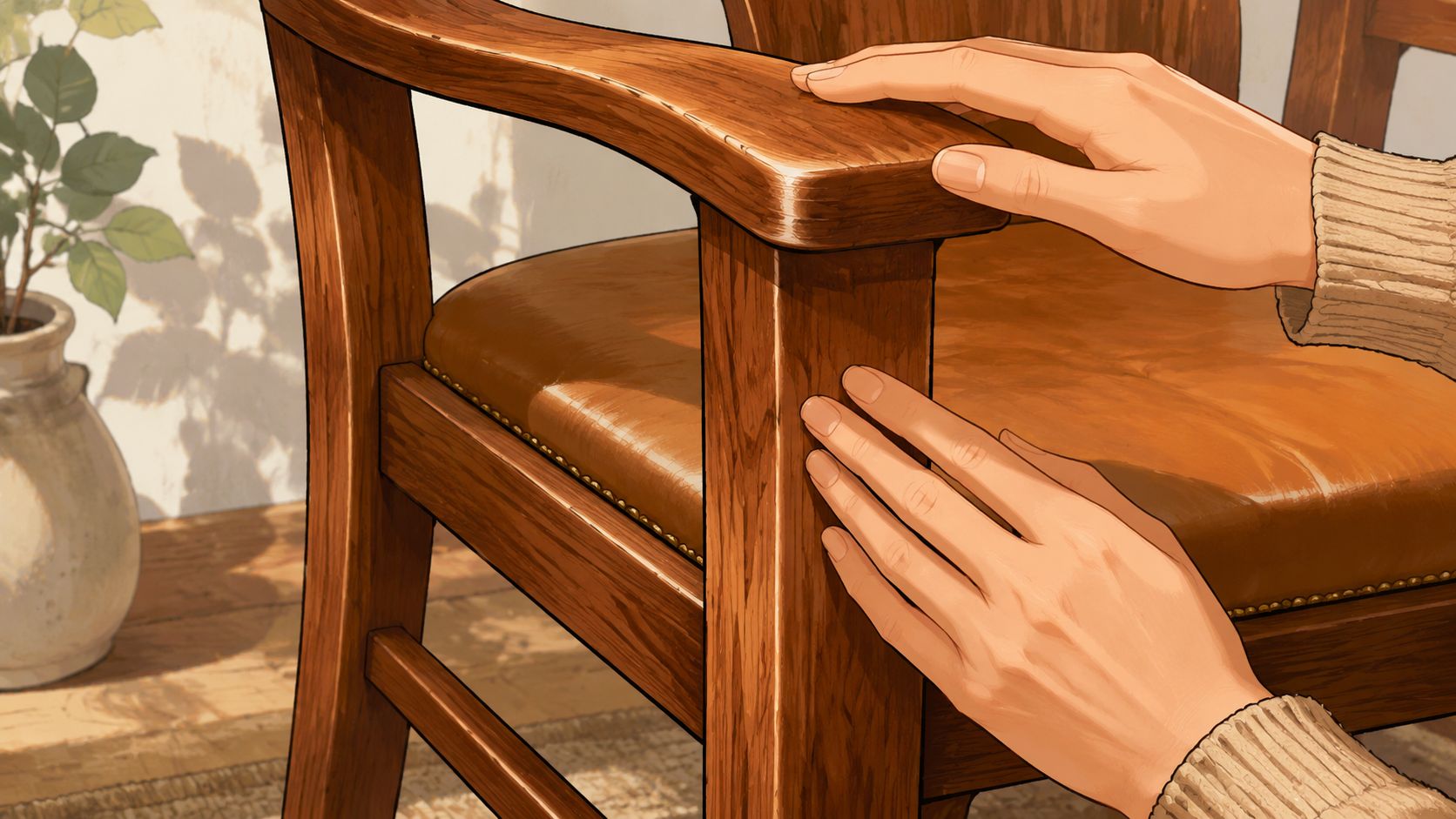
A chair can look right in the showroom and still disappoint at home. The difference usually shows up in the material. Dining chairs get dragged across floors, tipped back by kids, shifted for extra guests, and used for far more than meals. The frame has to handle real family life, not just a nice photo.
Solid wood earns its reputation because it changes the whole experience of the chair. It adds steadiness, gives the hand a warmer and more natural feel, and tends to age with more grace than lighter, shortcut construction. A good wood chair often feels settled the first time you pull it up to the table.
Species and finish matter, too. Oak brings visible grain and a more grounded character. Maple reads cleaner and smoother. Cherry develops richness over time that many families grow attached to. Those differences are not just visual. They shape how formal, relaxed, light, or substantial the chair feels in the room.
That long-term feel is where material choice starts paying off. Solid wood chairs are not only durable but also repairable. Tightening joints, refinishing surfaces, and refreshing a seat usually make more sense than replacing the whole chair. Over a long stretch of daily use, that is often the better value.
A dining chair should gain character with use, not lose integrity.
Material choices also affect how your dining space relates to the rest of the home. Families updating floors, lighting, or wall finishes often want chairs that share the same honest, natural quality. In that context, upcoming design trends featuring artisanal tiles can be a useful reference for how handcrafted texture and warmer materials are showing up across the home.
Trend cycles still influence color and silhouette, but the smarter decision is usually the one built around use. Ask practical questions. Will these chairs see nightly dinners or occasional holidays? Do you need a forgiving finish for children, or a finer surface for a formal room? Is a wood seat easier for your household, or does an upholstered seat make long gatherings more comfortable?
A few material details deserve close attention:
- Wood species affects durability, grain pattern, and overall mood
- Joinery and frame construction often tell you more than style labels do
- Finish sheen and color change how easily wear will show over time
- Seat material influences comfort, cleaning, and how formal the chair feels
For a closer look at species, wear patterns, and long-term performance, this guide to choosing the right hardwood for longevity and style is a helpful next step.
How to Pair Chairs with Your Dining Table
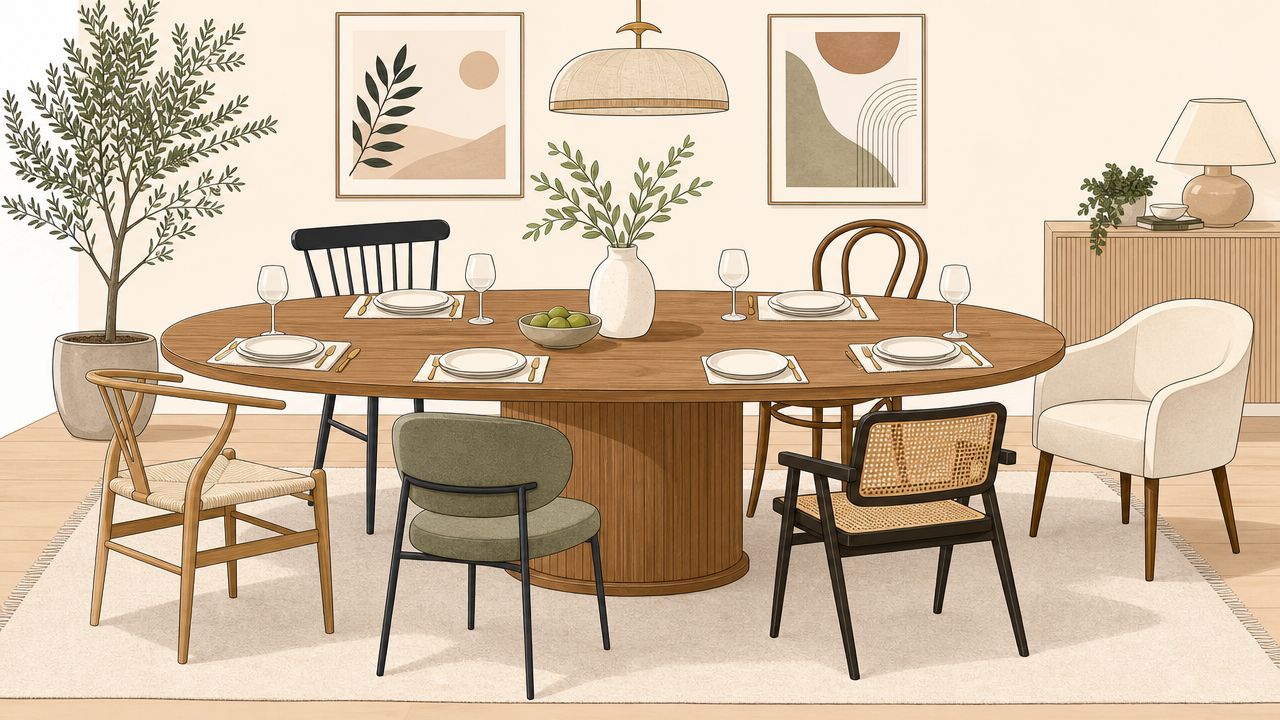
The easiest way to make a dining room feel “off” is to pair a table and chair that speak different visual languages with no clear reason. Good pairings don't have to match exactly, but they do need a relationship. Usually that relationship comes from proportion, formality, and visual weight.
Match the room's visual weight
A thick, solid wood trestle table usually looks more settled with chairs that have some presence. Ladder-back, Shaker, and other wood-framed styles often make sense because they echo the table's material honesty. A slim glass or metal table usually benefits from a lighter chair profile so the whole room doesn't feel top-heavy.
Use this checklist when pairing:
- Look at leg shape. Straight, tapered, turned, and pedestal forms all suggest different chair silhouettes.
- Compare visual mass. A delicate chair beside a heavy table can look accidental.
- Consider formality. Refined upholstered seating tends to lend sophistication to a casual table, while rustic chairs can relax a more formal table.
- Repeat one material cue. Wood tone, metal finish, or upholstery color can tie the set together.
Commercial spaces often solve this same problem by starting with surface performance and silhouette together. For a broader perspective on durable top selection, selecting restaurant table tops offers a useful look at how table surface decisions affect pairing and use.
Use function to break ties
When two chair options both look good, function should decide. A family that uses the dining room as everyday seating may prefer a cushioned seat or supportive back, even if a slimmer wood chair looks more editorial. A formal dining room used occasionally can tolerate a more style-forward choice.
Room shape also plays a role. Oval and round tables often soften stronger chair profiles. Rectangular tables can handle more structure and repetition. Anyone planning the entire layout can get more practical guidance from this seating and table shape guide.
The strongest pairings feel intentional from across the room and comfortable once everyone sits down.
The Art of Mixing and Matching Chair Styles
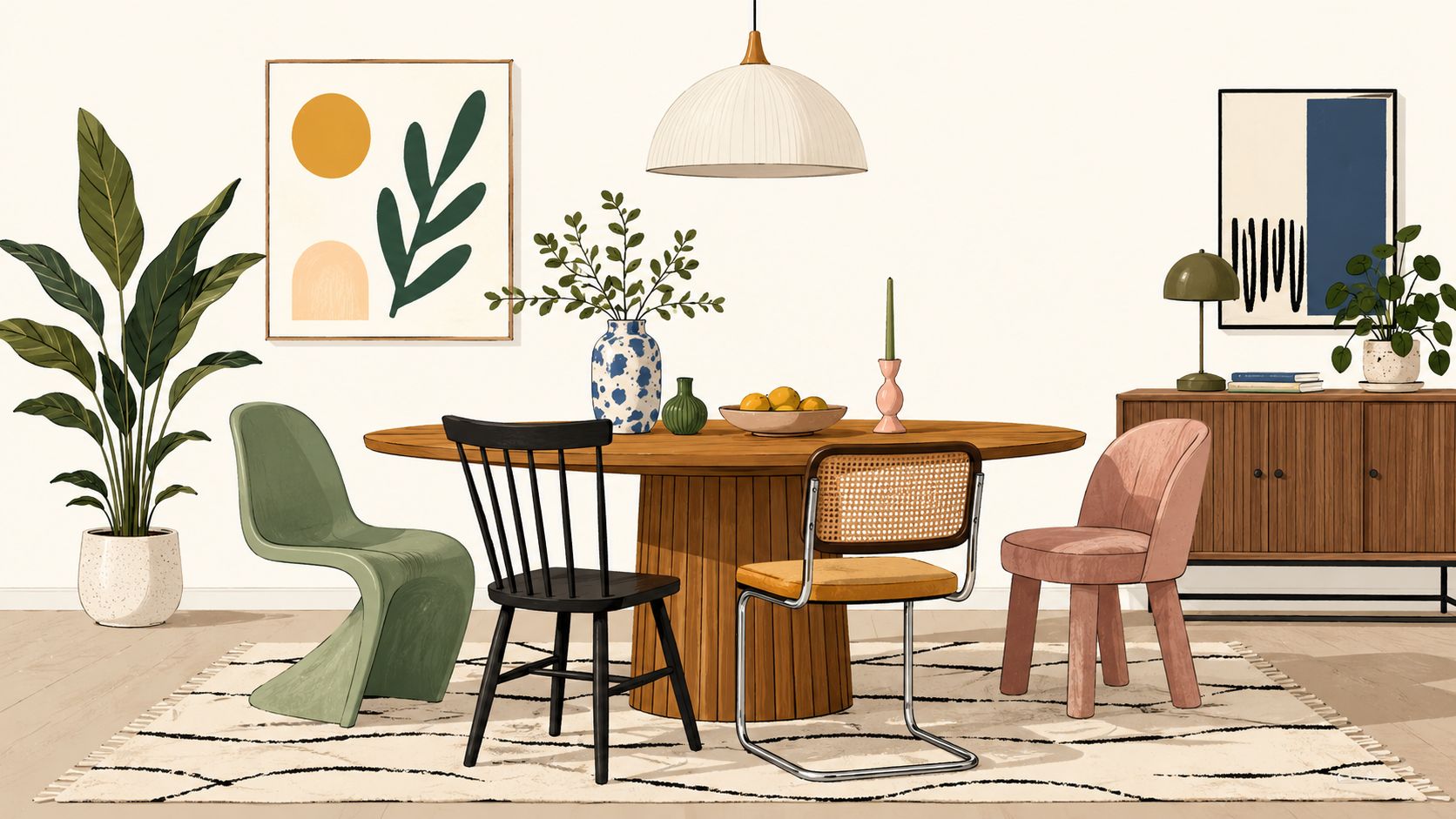
Matching sets aren't the only way to make a dining room feel finished. Mixed seating can look warmer, more collected, and more personal when there's enough discipline behind it. The trick isn't randomness. It's controlled variation.
What keeps mixed seating from looking random
Current guidance on mismatched dining chairs is consistent on a few points. Keep seat heights aligned, repeat at least one unifying element such as color, wood tone, or finish, and use pairs or distinct end chairs to create balance, according to this guide to mixing dining chairs intentionally.
That usually leads to combinations like these:
- Same side chairs, different end chairs for a classic, composed look
- One chair shape, varied finishes for subtle personality
- Wood chairs on the sides, upholstered armchairs at the ends for comfort and emphasis
A made-to-order dining program can be especially useful here because it allows a room to keep coordination without slipping into sameness. Canadel is one example of a bespoke approach that lets households vary finishes and details while preserving a clear family resemblance.
Mixed dining chair styles work when the eye sees a pattern before it sees a difference.
The result feels collected rather than chaotic. That's often the sweet spot for homeowners who want character without committing to a room that looks overly styled.
Find Your Forever Chairs at Tyner Furniture
By the time most shoppers narrow their options, they aren't just choosing among dining chair styles. They're choosing how they want the room to function for years. That's where the details matter most. Solid wood versus lighter construction. Upholstery that invites people to linger. A finish that works with the home today and still makes sense after the next paint color, flooring update, or remodel.
Since 1957, Tyner Furniture has served Ann Arbor and Southeast Michigan with that long-view approach. The South State St. showroom covers far more than dining, including the home office, bedroom, living room, and outdoor spaces, but dining remains one of the clearest places to see the value of buying for longevity instead of impulse. Customization is part of that equation. In-stock is only the beginning when a household wants a bespoke finish, made-to-order wood species, or an upholstered seat customized for the room.
For shoppers comparing specific options, these dining side chairs provide a useful starting point. Special Financing and the Low Price Promise can also make a higher-quality purchase easier to plan without stepping away from long-term value. Stressless and Canadel programs are especially helpful for people who want a more personalized fit, finish, or configuration rather than settling for a one-size-fits-all answer.
The best next step is still the simplest one. Sit in the chair. Feel the seat, the back angle, the wood, the upholstery, and the weight of the frame. A photo can suggest style. A sit test tells the truth.
Visit Tyner Furniture in Ann Arbor for a dining chair sit test at the South State St. showroom, or browse the online Quick Specs for special-order options in hand-crafted solid wood, bespoke finishes, and made-to-order upholstery that fit your home for the long haul.