Choose Your Ideal Queensize Bookcase Headboard: Expert Guide


A queensize bookcase headboard usually becomes interesting at the exact moment a bedroom starts feeling short on space. The nightstand is crowded. The charger cord falls behind the bed. A reading lamp competes with stacked books, glasses, and a water glass. What looked like a simple headboard decision quickly turns into a question about storage, comfort, layout, and how long the furniture should last.
That's why this piece deserves slower, more careful thinking than a trend-driven purchase. A good queensize bookcase headboard isn't just decorative. It becomes part organizer, part architectural anchor, and part daily-use storage. For homeowners and renters around Ann Arbor and Southeast Michigan, that matters. A bedroom works better when the furniture fits the room, supports the bed correctly, and still feels satisfying years later.
Since 1957, local shoppers have relied on experienced guidance for pieces that need to do more than look good on a showroom floor. This same practical lens applies whether someone is furnishing a primary bedroom, updating a guest room, or planning a whole-home project that stretches from the home office to outdoor spaces.
Table of Contents
- First Step Before You Shop Measuring for a Perfect Fit
- Beyond Veneer The Case for Solid Wood Craftsmanship
- Finding Your Style Custom Storage and Finishes
- Ensuring Practicality and Bed Frame Compatibility
- Simple Steps for Installation and Mounting
- Styling and Caring for Your Heirloom Headboard
First Step Before You Shop Measuring for a Perfect Fit
Most mistakes happen before anyone compares finishes or shelf layouts. They happen with the tape measure.
A standard queen mattress is 60 inches wide, while many queen bookcase headboards are built at roughly 64 inches wide and 48 inches high, creating a slight overhang that looks intentional rather than cramped, according to Casper's headboard size guide. That same guide also notes that some storage headboards can be 11 inches deep, which can affect walking space, outlets, and baseboard clearance.
What needs measuring first
The mattress width is only the starting point. A queensize bookcase headboard needs room not just across the wall, but forward into the room.
A practical bedroom check should include:
Wall width behind the bed
Measure the clear wall space, not just the bed frame. Windows, trim, and nearby doors can all limit placement.Projection into the room
Depth matters more than many shoppers expect. Shelving that looks modest in a photo can change how the room feels once it extends beyond a flat wall-mounted profile.Outlet and baseboard location
A bookcase headboard can sit directly where chargers, lamps, or smart devices need access. Baseboards can also keep the furniture from sitting flush.
Practical rule: Measure the room as if the headboard were already in place. That means checking what happens behind it, beside it, and in front of it.
A simple showroom checklist
Before visiting a store, it helps to bring a short measurement list rather than a rough estimate. A reliable reference for choosing the right queen size bed can also help clarify how the bed itself relates to the room before the headboard is added.
Bring these notes:
- Mattress setup: Queen mattress size and whether the bed uses a platform, box spring, or another foundation.
- Wall details: Total width of the bed wall, plus any outlet, window, or vent locations.
- Clearance points: Space from bed edge to dresser, walkway, closet swing, and nearby nightstand area.
- Trim obstacles: Baseboard height and any wall molding that may interfere.
For anyone who wants a more complete room-planning worksheet, this furniture measuring guide is useful to review before heading to a showroom.
A thoughtful measurement process doesn't slow the purchase down. It protects it. For a long-term furniture investment, that first set of numbers often decides whether the finished bedroom feels custom and calm, or slightly off every single day.
Beyond Veneer The Case for Solid Wood Craftsmanship
A queensize bookcase headboard carries more responsibility than a plain panel headboard. It supports visual weight, daily use, and the contents of its shelves. That's why the material matters so much.
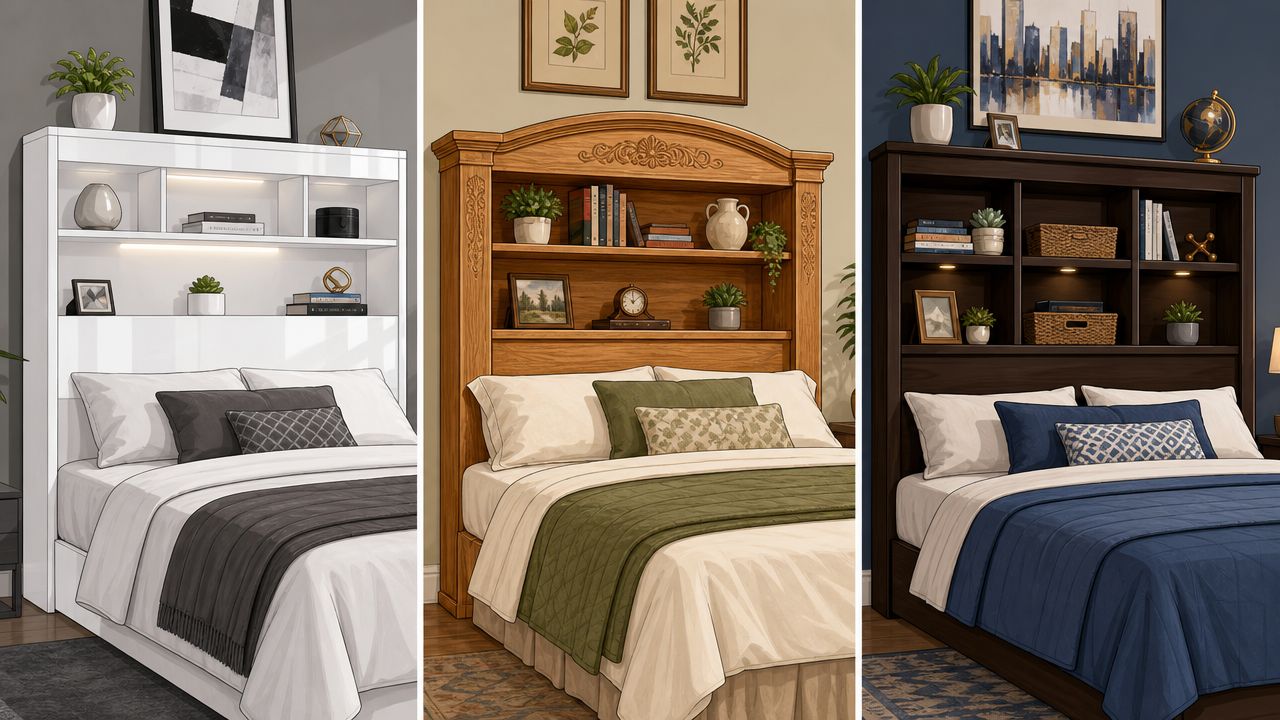
Headboards have a long history. Crane and Canopy's history of the headboard traces them back to ancient Egypt, where they served as decorative displays of wealth before evolving into pieces that added insulation and comfort. The modern bookcase headboard takes that evolution further by turning a once-decorative form into functional storage furniture.
Why solid wood changes the experience
The difference between solid wood and mass-produced sheet goods often shows up first in the senses. Solid cherry has a quiet depth in its grain. Oak carries visible texture and a grounded, sturdy look. Maple feels smooth and clean, with a more restrained figure. When the finish is hand-sanded, the surface feels even and substantial rather than thin or brittle.
That tactile quality isn't just about beauty. Storage headboards get touched constantly. Hands reach for books, glasses, remotes, and charging cables. A piece that feels stable and dense tends to age more gracefully under that kind of repeated use.
What craftsmanship looks like in practice
For bedroom furniture, the strongest argument for Amish hand-crafted construction is structural honesty. Proper joinery and solid hardwood create a different standard than furniture built primarily for flat-pack convenience.
A shopper comparing materials should look for:
- Joinery integrity: Dovetail and mortise-and-tenon construction are associated with long-term stability.
- Material depth: Solid wood can be refinished and maintained over time in ways thin veneer often can't match.
- Weight and balance: A substantial headboard generally feels more planted and less hollow.
- Finish character: Hand-applied or carefully finished surfaces tend to reveal the grain rather than disguise it.
A bookcase headboard should feel like part of the bed, not like an accessory attached as an afterthought.
For readers considering wood species more carefully, this guide to choosing the right hardwood for longevity and style offers a helpful foundation.
In Southeast Michigan homes, where buyers often want furniture to remain through several paint colors, mattress changes, and room refreshes, solid wood earns its value over time. It supports the idea of cost-per-year rather than cost-at-checkout. That's a much better way to judge a piece meant to stay in service for years.
Finding Your Style Custom Storage and Finishes
Storage can either make a headboard feel orderly or make it feel busy. The right design depends less on trend and more on what lives beside the bed.
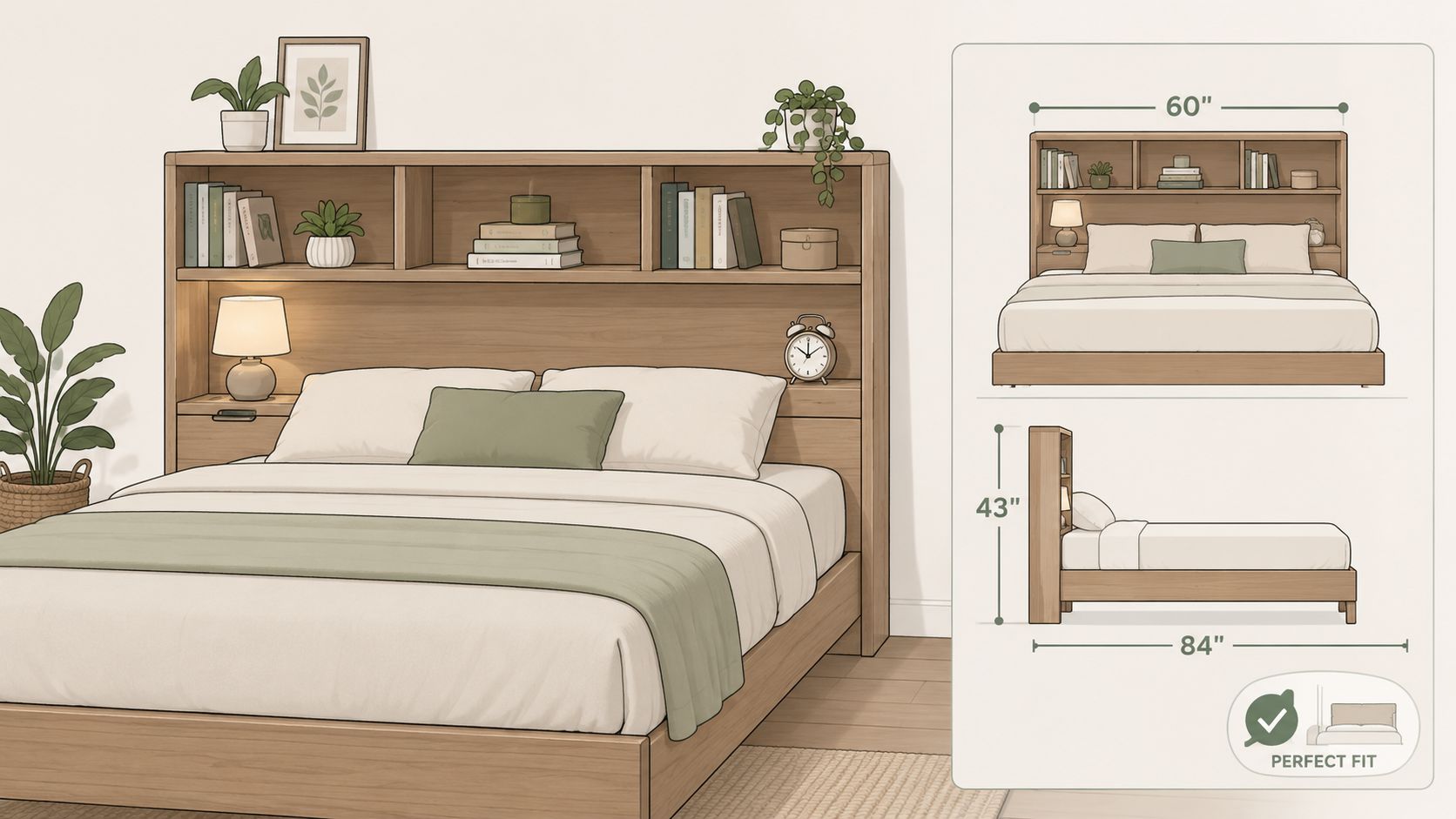
One of the most overlooked decisions is storage type. Big Sandy's product guidance on bookcase headboards highlights a practical truth: open shelves can collect dust and look cluttered, while hidden storage is better for organization but may be less accessible for a nightly book or glass of water.
Open shelving or hidden storage
A simple comparison often helps.
| Storage style | Works well for | Watch for |
|---|---|---|
| Open shelving | Books, framed photos, alarm clocks, display pieces, bedtime essentials | Dust, visual clutter, overstyling |
| Hidden compartments | Chargers, personal items, small accessories, items that look messy in the open | Slower access, less display value |
Open shelving suits readers who want easy reach and like a lived-in bedroom. Hidden storage fits buyers who want the bed wall to stay calm and visually clean.
Matching the headboard to the room
A queensize bookcase headboard doesn't have to feel bulky. Finish and silhouette do a lot of the visual work.
In a lighter Ann Arbor bedroom, painted finishes or clean maple tones can make built-in storage feel airy. In a room with deeper wall colors, a rich wood species can make the bed feel grounded and architectural. Rustic lines suggest warmth and tradition. Cleaner lines lean more modern and spare.
A strong custom program matters here. In-stock furniture can be a starting point, but made-to-order options open the door to more thoughtful interior design decisions. That may mean selecting the wood species, stain depth, hardware feel, or shelf layout instead of settling for a standard look. Tyner Furniture also offers broader custom-order capabilities across the showroom, including bespoke dining through Canadel and ergonomic customization through Stressless, which reflects the same idea. A room works better when the furniture is configured around the home, not the other way around.
Questions worth asking before choosing a finish
Will the headboard need to blend or anchor?
Some rooms benefit from a harmonious match. Others need the bed to be the focal point.What stays on the shelf every day?
A crisp modern design can look crowded quickly if the household keeps many visible items bedside.Does the room already have strong wood tones?
Matching exactly isn't always necessary, but the undertones should feel intentional.
For more storage-focused bedroom planning, this overview of bedroom furniture storage features helps narrow the options.
The best style choice usually comes from honesty. If a household wants a place to hide visual noise, a display-heavy design won't feel restful for long. If they want books and warm lighting within easy reach, sealed compartments may feel inconvenient. Good design starts with habits, not just appearance.
Ensuring Practicality and Bed Frame Compatibility
The word “queen” causes a lot of false confidence. Many shoppers assume that if the bed is queen size, any queen headboard will fit. That assumption creates some of the most frustrating post-delivery surprises.
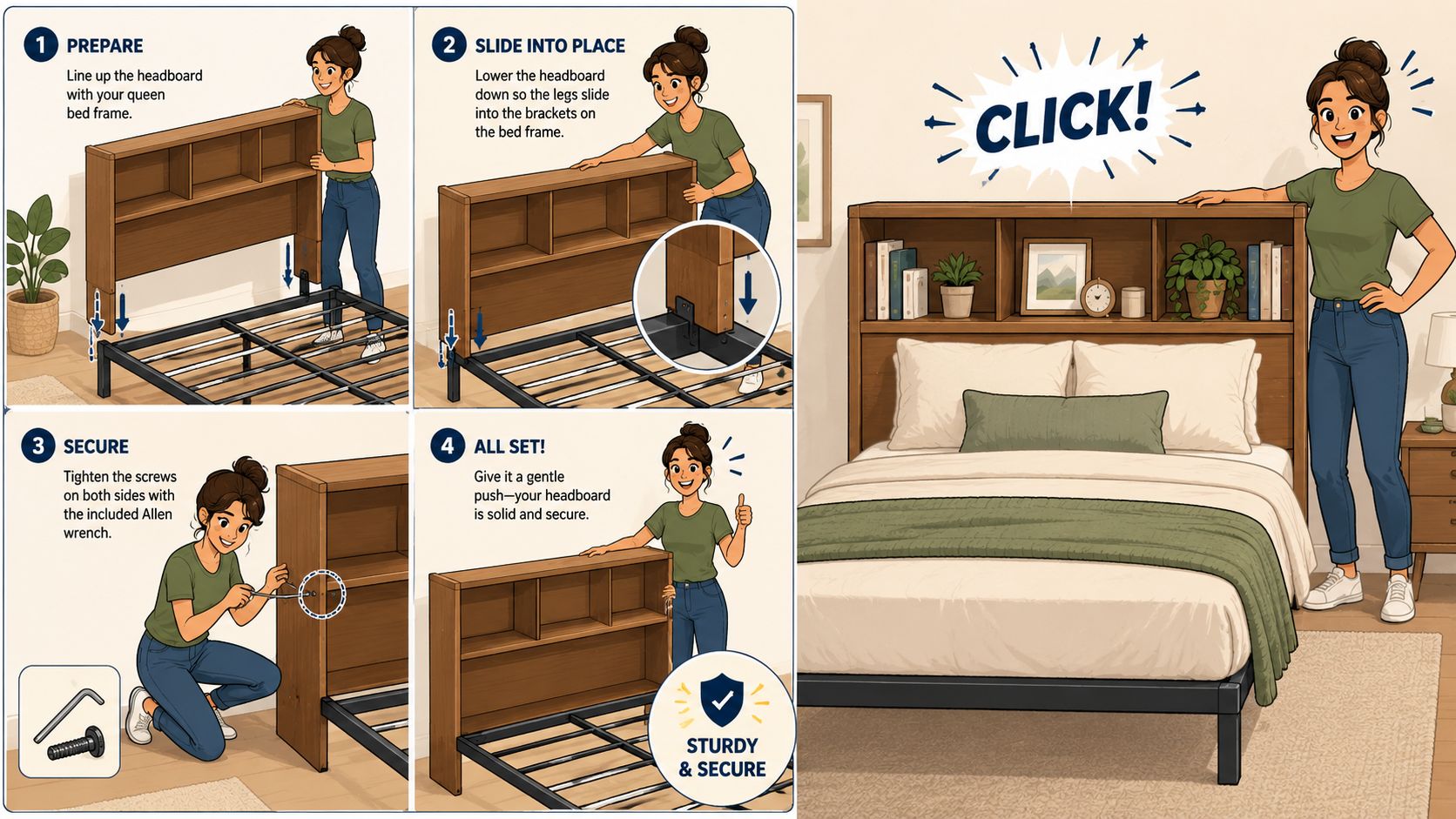
Cherrystone Furniture's compatibility notes make the issue plain. Headboard compatibility isn't universal. Some bookcase headboards are built for a platform-style setup, while others are meant for a traditional mattress-and-box-spring arrangement. Verifying the foundation type is especially important with adjustable bases.
The compatibility checks that matter
A headboard has to work with the full sleep system, not just the mattress label.
Before purchase, buyers should confirm:
- Attachment method: Does the headboard bolt to the frame, connect to bed rails, or need a coordinated bed?
- Foundation type: Platform, box spring, and adjustable bases don't all position the mattress at the same height or relationship to the headboard shelf.
- Usable shelf height: A thick mattress plus pillows can swallow lower shelving and make it awkward to reach.
- Wall relationship: Deeper headboards can affect cord routing, plugs, and how tightly the bed can sit against the wall.
Some of the most attractive designs become the least practical if the top shelf disappears behind stacked pillows.
Adjustable beds need extra attention
Adjustable bases introduce movement, and movement changes the question. The issue isn't only whether the headboard can attach. It's also whether the shelf remains usable and whether the motion of the base conflicts with the structure behind it.
For readers sorting through that specific setup, this article on luxury headboards for adjustable bases gives a useful outside reference point.
A practical way to think about it is simple:
- A platform bed may pair well with some integrated headboard systems.
- A traditional frame with box spring may suit bolt-on designs better.
- An adjustable base needs the closest review because comfort movement changes fit and clearance.
One label, many realities
“Full/queen” can be especially confusing because the label sounds flexible while the actual dimensions and hardware may vary. That's why shoppers should ask for the overall outside dimensions, mounting details, and any special setup requirements, not just the marketed bed size.
For households evaluating a full sleep-system update instead of only a headboard, these queen mattress and bed frame sets are a practical place to compare how the bed components work together.
A thoughtful compatibility check protects more than convenience. It protects comfort. A headboard shelf only helps if it's reachable, stable, and positioned correctly for the way the bed is used.
Simple Steps for Installation and Mounting
A queensize bookcase headboard can look complicated in the bedroom, but the basic installation path is usually straightforward when the measurements and compatibility checks have already been handled.

A calm installation sequence
Most setups follow the same general order:
Position the bed frame first
Leave enough room to work behind it and confirm where the headboard will sit against the wall.Align the mounting points
Hold the headboard at the correct height and line up the hardware with the bed frame or rail system.Secure the bolts evenly
Tighten gradually so the piece stays level rather than pulling to one side.Slide the bed into final position
Check shelf clearance, outlet access, and whether the headboard sits properly over baseboards or trim.
When wall anchoring makes sense
Some bookcase headboards are secure through the bed frame alone. Others benefit from wall anchoring, especially if the unit is tall, heavily loaded, or used in a home where extra stability matters.
Wall anchoring isn't about making a well-built piece look permanent. It's about reducing movement and adding peace of mind where the room calls for it.
For readers who want a simple visual on level placement and fastening technique, this step-by-step hanging guide is helpful for understanding the general principles of alignment and secure mounting.
White-glove delivery is often the right choice for a substantial solid wood headboard, but even then, it helps when the homeowner understands what good installation should look like. The final result should feel square, steady, and easy to live with from the first night onward.
Styling and Caring for Your Heirloom Headboard
A well-chosen queensize bookcase headboard should feel settled, not staged. Once it's in place, the task shifts from buying to living with it well.
The queen bed itself is a relatively modern standard. According to Ecosa's queen-bed overview, the format was introduced by Simmons in the 1950s and standardized the 60 by 80 inch dimensions associated with today's queen mattress. That standard helped create the consistent platform that made practical accessories like bookcase headboards such a natural fit in modern bedrooms.
How to style the shelves without clutter
A storage headboard works best when each shelf has a job. Problems usually start when every surface tries to do too much at once.
A balanced arrangement often includes:
- Daily-use essentials: A current book, reading glasses, charger, or bedside lamp.
- One or two personal touches: Framed art, a ceramic piece, or a small keepsake.
- Breathing room: Empty space matters. It keeps the headboard from feeling crowded around the pillows.
A simple rule helps. If an item doesn't belong near the bed at least a few nights each week, it probably doesn't need to live on the shelf.
For households that enjoy bringing in greenery, a nearby accent piece can sometimes carry the plants instead of overloading the headboard itself. A compact idea like elevating greenery with a 3-tier stand can keep the bed wall cleaner while still adding life to the room.
Caring for solid wood over time
Solid wood rewards steady, simple care. It doesn't need fuss, but it does benefit from consistency.
Good habits include:
- Dusting with a soft cloth: Open shelving and top rails collect fine dust faster than flat panel headboards.
- Wiping spills promptly: Water rings, lotion residue, and drink splashes are easier to prevent than reverse.
- Avoiding harsh cleaners: Strong chemicals can dull or damage a hand-finished surface.
- Watching sunlight exposure: If one side of the room gets strong light, rotating decorative objects occasionally can help the finish age more evenly.
This matters more with heirloom furniture because the goal isn't short-term appearance. The goal is graceful aging. Solid cherry deepens. Oak develops character. Maple remains refined when treated with care.
For more specific protection advice, this wood furniture care guide for scratches and stains is a useful reference to keep on hand.
The long-view value of a well-made piece
The strongest furniture decisions are rarely the flashiest. They're the ones that keep working through mattress changes, repainted walls, new bedding, and evolving routines.
A handcrafted bookcase headboard can become that kind of piece. It stores what matters, reduces the need for extra case goods, and gives the room a finished look without feeling disposable. For buyers thinking in terms of cost-per-year, that's where the full value appears.
Special Financing and a Low Price Promise can also make a higher-quality purchase more manageable, especially when the goal is to choose once and choose well rather than replace the piece after a short run. That approach fits the mindset of a local legacy business that has served Southeast Michigan since 1957.
For anyone ready to compare wood species, shelf layouts, and made-to-order options in person, Tyner Furniture offers a practical next step at the South State St. showroom in Ann Arbor. A visit makes it easier to evaluate scale, finish, and function up close, while the online Quick Specs can help narrow special-order details for a bedroom piece built to last.