Motion Sectional Sofa: Your Complete Buying Guide


A family gathers for movie night, someone wants to stretch out, another person needs lumbar support, and a child claims the best corner before the opening credits. A well-chosen motion sectional sofa can handle that evening beautifully. A poorly fitted one can block a walkway, strain an outlet, and turn a carefully designed living room into a maze of footrests.
That's why the purchase deserves more attention than a few minutes of showroom comfort. The right sectional combines ergonomic support, durable construction, thoughtful clearances, and repairable motion components. For homeowners in Ann Arbor and across Southeast Michigan, it should be evaluated as an investment in daily living, not a temporary lifestyle upgrade.
The Rise of the Motion Sectional Sofa
The modern living room has changed. Families use the same space for streaming, reading, remote work, naps, conversation, and entertaining. A fixed sofa may look refined, but it can't always give several people the position they want at the same time. A motion sectional sofa answers that practical problem with independent reclining, adjustable headrests, lumbar support, and seating that accommodates different body types.
The format has also moved well beyond the bulky look once associated with reclining furniture. Cleaner arms, custom upholstery, concealed controls, and modular layouts allow motion seating to sit comfortably within a refined interior design. A neutral performance fabric can feel calm and architectural, while top-grain leather brings the buttery feel and visual depth expected from a long-term piece.
A category with real market weight
Sectionals aren't a niche format. One industry model places sectional sofas at 27.3% of global sofa-market revenue in 2025, while another places them at 28.76% of the sofa market in the same year, as reported in the sofa market analysis. A separate U.S. outlook identifies sectionals as the largest revenue-generating sofa type in 2025, within a U.S. sofa market valued at USD 62,466.9 million and projected to reach USD 83,094.5 million by 2033, according to the same source.
Those figures matter because they validate what local households already experience. Open-plan rooms and larger family spaces often need seating that defines an area, supports several people, and adapts to changing routines. An L-shaped motion sectional can frame a television area, while a U-shaped configuration creates a more social arrangement for gatherings.
Practical rule: A sectional earns its floor space when several people regularly use it together. If only one person reclines, a dedicated ergonomic recliner may be the more sensible choice.
Before selecting a silhouette, shoppers should understand the basic principles covered in this sectionals buying guide. The key question isn't whether motion feels pleasant in a showroom. It's whether the sofa will support the household's actual routines while preserving circulation, proportion, and long-term value.
Motion furniture has become commercially important for the same reason it has become popular at home. Spending in the motion upholstery category rose 3.8% to $13.6 billion in 2022 from $13.1 billion in 2021, representing 11% of total industry sales, according to Furniture Today's category coverage. That source also reports that motion sofas and chairs increased 32.6% from 2020 to 2021, while motion sofas and chairs held a 30.4% share of upholstery sales in 2021.
The conclusion is straightforward. Adjustable seating has moved into the mainstream. The worthwhile purchase is the one engineered well enough to remain useful after the novelty fades.
Understanding Motion Mechanisms and Clearances
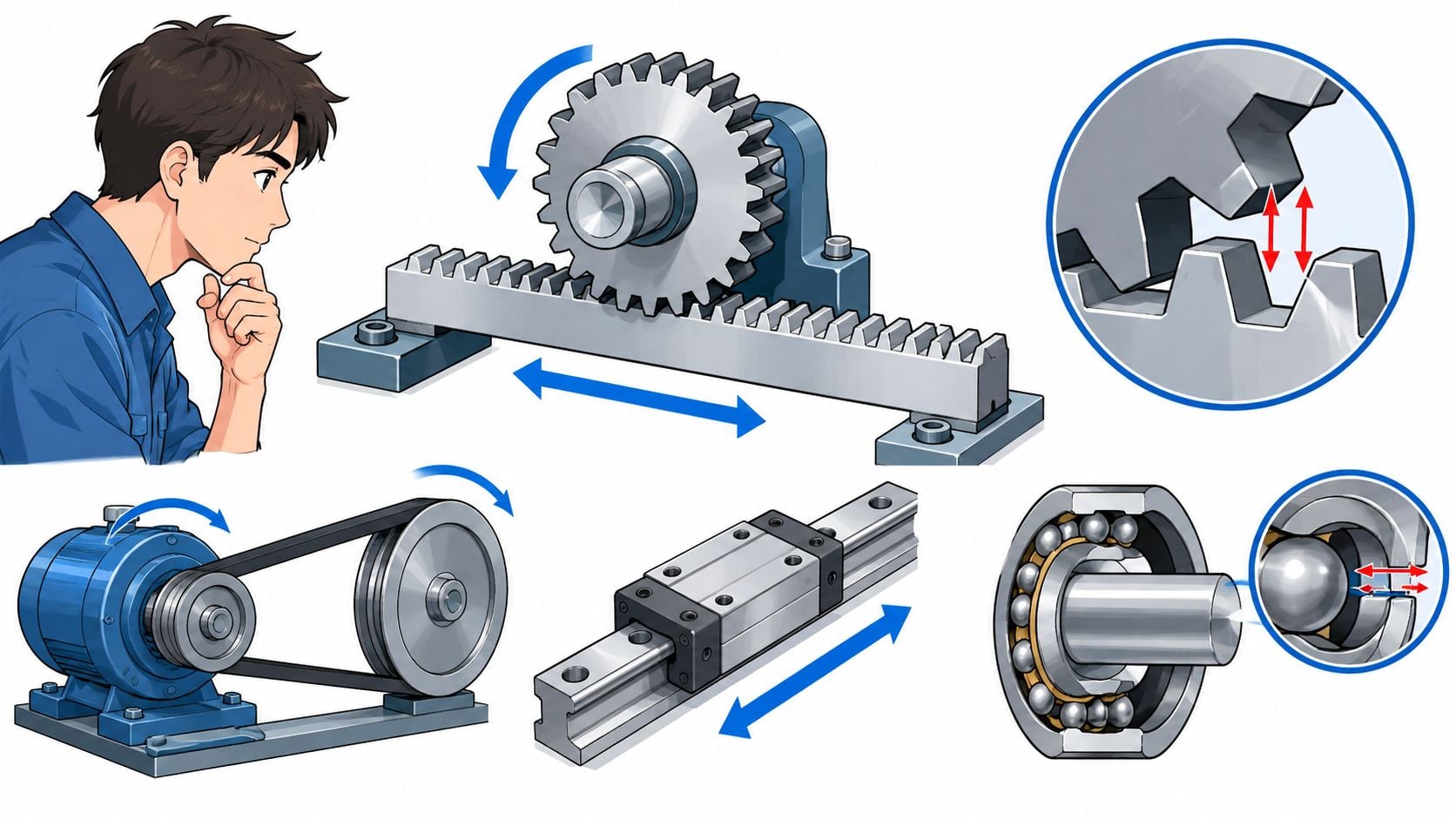
A motion sectional sofa is a small mechanical system disguised as upholstered furniture. The frame carries the load, the mechanism guides the seat and footrest, the motor or lever supplies movement, and the wiring connects the controls to the power source. Each part affects comfort, placement, serviceability, and room planning.
Manual, power, and zero-wall designs
Manual reclining usually uses a side lever or body-weight shift. It avoids electrical dependency and can suit buyers who prefer mechanical simplicity. The tradeoff is less positioning precision, and the recline path may require more effort from the user.
Power reclining uses a motor and control switch to move the footrest, back, headrest, or lumbar section. A smooth actuator should move without grinding, hesitation, or a hard jolt at the start and stop. Dual-motor designs can provide more independent adjustment, while simpler systems may move the seat through a fixed path.
Zero-wall or wall-hugger construction addresses a separate problem. In a conventional recliner, the back travels backward as the footrest rises. Zero-wall geometry shifts the pivot point forward, allowing the seat to extend with less rear clearance. That doesn't eliminate the need to measure the front extension, but it can determine whether a sectional fits against a wall in a smaller living room.
Tyner's guide to power reclining seating offers a useful starting point for comparing motion categories before a showroom visit.
The measurements that decide fit
A product example of a powered, zero-wall sectional measures 122.6 inches by 122.6 inches by 40.1 inches, according to its published product specifications. The closed footprint is only part of the calculation. Each reclining seat needs room for the seat-back and footrest to travel through its full arc, and several seats can compound the clearance requirement.
Measure these areas before ordering:
- Overall footprint: Mark the full length and return of the proposed configuration with painter's tape.
- Rear clearance: Check the wall, windows, vents, thermostats, and electrical outlets behind every powered seat.
- Front extension: Measure the space available when the footrest is fully open, not only when the sectional is upright.
- Traffic paths: Keep doorways, stairs, and daily walking routes clear of moving legs and protruding corners.
- Power access: Plan cable routing before delivery. Models may include USB ports, UL-listed cords, or zero-draw electronics that consume energy only when operating.
A sectional that fits on paper can still fail in daily use if a footrest crosses the main path to the kitchen.
During the sit test, every adult should operate each control, recline fully, return upright, and check whether knees, neck, and lower back remain supported. Controls should be reachable without twisting. Power cords should remain hidden without being pinched by the mechanism. These details are more important than a decorative arm profile because they affect every evening the sectional serves the household.
Evaluating Frame Construction and Room Layout
Upholstery creates the first impression, but the frame and mechanism determine whether a motion sectional sofa remains stable under repeated use. Reclining concentrates force at pivot points, seat rails, brackets, and joints. A beautiful cover can't compensate for weak reinforcement underneath.
Independent furniture guidance notes that reclining mechanisms are commonly benchmarked to 10,000 or more cycles, while ANSI/BIFMA-style testing evaluates load capacity, structural integrity, and wear resistance under repeated use, as summarized in this recliner construction guidance. Those benchmarks don't guarantee that every product will perform identically in every home. They do show why cycle testing and disclosed engineering specifications deserve more attention than broad comfort language.
What to inspect beneath the upholstery
A buyer doesn't need to dismantle a sofa to ask useful questions. A knowledgeable showroom should be able to explain the frame material, reinforcement, mechanism type, and testing approach.
Look for:
- Kiln-dried hardwood or a well-reinforced structural frame: Properly prepared wood resists movement caused by moisture changes and supports long-term joinery.
- Reinforced corners: Corner blocks and secure attachment points help distribute reclining loads rather than concentrating stress in a single joint.
- Heavy-duty metal mechanisms: Steel components should operate smoothly and remain aligned through repeated movement.
- Accessible replacement parts: Motors, switches, power supplies, and connectors should be identifiable and serviceable rather than treated as disposable assemblies.
- Clear warranty language: Coverage should distinguish frame, mechanism, electrical components, upholstery, and labor.
The government performance-testing material referenced in the verified furniture guidance treats the recliner mechanism as a core specification alongside frame dimensions, spring or support systems, leg attachment, and seat and back construction. That is the correct perspective. Motion isn't a decorative add-on. It's a load-bearing engineering system.
Mapping the configuration
Start with the room, not the showroom model. Mark the television or fireplace, then identify the primary entrance, secondary routes, windows, and heating elements. A long side can face the focal point, while a chaise return can close an open-plan zone without blocking the main path.
L-shaped layouts usually provide a strong balance of lounging and circulation. U-shaped arrangements maximize shared seating but require more room around the perimeter. A chaise can be comfortable for one person, yet it may reduce flexibility if the household frequently rearranges furniture.
A fixed piece with solid support may outperform a motion model in a compact room. For buyers who value traditional upholstery craftsmanship, Tyner's discussion of eight-way hand-tied sofas helps explain why suspension design matters, even though motion seating requires additional mechanism-specific evaluation.
Room-planning advice: Tape the upright footprint first, then mark every seat in its fully reclined position. The second outline is the one that determines whether the configuration works.
Selecting Upholstery for Moving Parts
A reclining seat creates stress that a fixed sofa never experiences. Fabric stretches across moving joints, leather folds along the footrest crease, and connectors can rub during delivery or future rearrangement. The best upholstery choice balances tactile pleasure with the household's cleaning habits, pets, children, and expected cost-per-year.
Top-grain leather
Top-grain leather offers a substantial hand and a surface that can develop character over time. The buttery feel of a good hide is immediately apparent in a showroom, but the label matters more than the photograph. Buyers should confirm whether the upholstery is top-grain, split, bonded, or a leather alternative, because those materials have different wear characteristics and maintenance requirements.
Leather can be a strong choice for homes that want a refined, wipeable surface and are willing to condition it according to the manufacturer's directions. Moving seats still need special attention. Creases should be checked for debris, and sharp pet claws can mark the surface even when the frame and mechanism remain sound.
Performance woven fabrics
A well-made performance fabric can feel warmer and less formal than leather. It may also provide a practical surface for households with young children, pets, or frequent entertaining. A tightly woven textile can disguise everyday texture and offer a broader palette for interior design, while a lighter fabric demands more disciplined maintenance.
Performance claims should be verified through the actual specification sheet. The useful questions concern cleanability, abrasion resistance, fiber content, seam construction, and whether the same fabric is suitable for high-movement seat areas.
The upholstery materials guide can help shoppers compare material behavior before selecting a finish.
Where moving upholstery wears first
The critical locations are predictable:
- Footrest creases: These collect crumbs and experience repeated folding.
- Seat-to-back transitions: The upholstery shifts as the user reclines and returns upright.
- Modular connectors: Sections can rub if connectors aren't aligned or tightened properly.
- Arm caps: Hands, pets, and repeated leaning create concentrated surface contact.
- Control areas: Cords and switches should never drag across fabric or become trapped beneath moving parts.
Sustainable selection means choosing a material that will remain useful, repairable, and attractive for the household's actual routine. A delicate fabric chosen for its showroom appearance may have a higher cost-per-year than a resilient textile that looks better after years of regular use.
The Customization Edge and Made-to-Order Options
“In-stock” is just the beginning. A motion sectional sofa should fit the room, the occupants, and the interior design plan, so the ability to specify configuration and upholstery can matter more than the exact model shown on the floor.
Made-to-order programs may include a wide range of materials and design decisions. Independent customization examples show options involving fabrics and leathers, along with arms, backs, seat depths, legs, and cushion fills, as demonstrated through made-to-order upholstery choices. That breadth changes the buying conversation from “Which color is available?” to “Which construction and comfort profile belongs in this room?”
Personalization that improves daily use
A deeper seat can suit taller adults but may leave shorter users unsupported. A firmer cushion can make standing easier, while a softer fill can create a more relaxed lounge. Arm height affects the visual scale and the way a user rests a shoulder or elbow.
Configuration choices also have practical consequences. A right-facing chaise may work in one Ann Arbor living room and block the only sensible walkway in another. Modular sections should be selected with future access in mind, particularly where stair turns, narrow entries, or elevator constraints affect delivery.
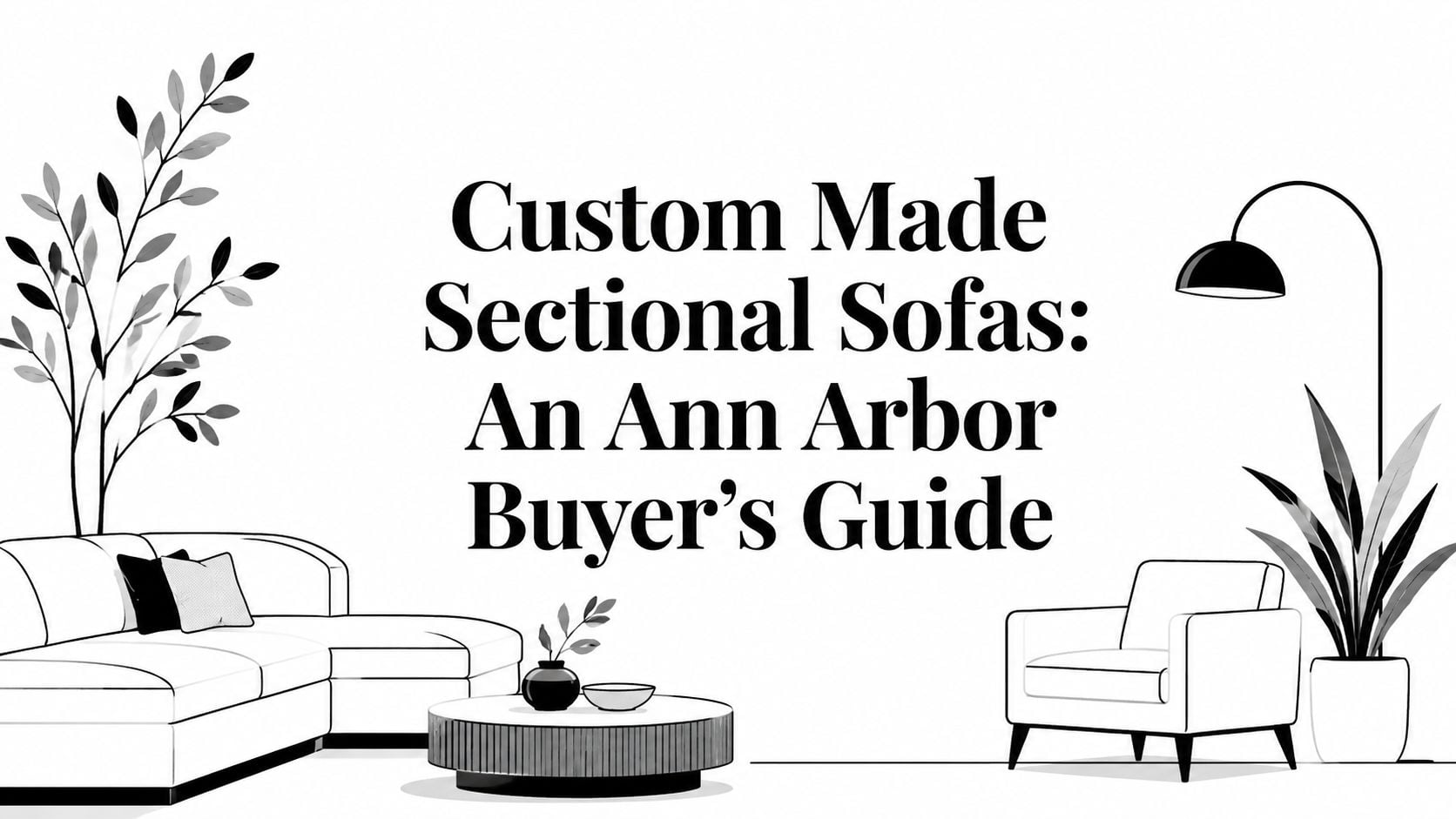
Tyner Furniture offers made-to-order sectional programs, and the custom sectional information provides a useful reference for shoppers comparing configuration and upholstery possibilities. Its broader selection also includes Canadel dining furniture and Stressless ergonomic seating, so a homeowner can coordinate living, dining, home office, and outdoor spaces through one design conversation.
Customization and structural integrity
Personalization isn't only cosmetic. A made-to-order process can align the frame, support, cushion specification, and upholstery with the intended use. For example, a high-traffic family room needs a different performance profile from a formal sitting area used occasionally.
The same principle applies beyond upholstery. Industry examples of custom furniture emphasize hardwood frames, fitted joinery, and kiln-dried hardwoods, with some makers stating that solid-frame construction is intended to outlast the fabric covering it, as shown in this custom upholstery construction overview.
When discussing dining or bedroom furniture, the solid wood standard deserves equal attention. Amish hand-crafted pieces with sound joinery, including dovetailing and mortise-and-tenon construction, offer a different material integrity from mass-produced alternatives. The weight of solid cherry wood, the feel of a properly fitted drawer, and a carefully chosen finish are tangible signs of heirloom craftsmanship.
Financing Your Investment and Delivery Logistics
A premium motion sectional sofa can look expensive when judged only by the receipt. The more useful calculation is cost per year of service. A durable frame, tested mechanism, repairable electrical components, and upholstery suited to the household can reduce the need to replace the entire seating arrangement when one surface or motor needs attention.
The comparison below is a planning framework, not a claim about specific retail prices or guaranteed service lives. Exact results depend on construction, use, maintenance, household conditions, and available repairs.
Cost-Per-Year Value Comparison
| Furniture Tier | Initial Investment | Expected Lifespan | Cost-Per-Year |
|---|---|---|---|
| Entry-level upholstered seating | Lower upfront commitment | Shorter service period | Higher if replacement is frequent |
| Mid-range fixed or motion seating | Moderate upfront commitment | Moderate service period | Depends on mechanism and frame quality |
| Heirloom-quality motion sectional | Higher upfront commitment | Longer service period when maintained | Can offer stronger long-term value |
This approach favors craftsmanship over the lowest ticket price. A sectional that remains comfortable, visually appropriate, and mechanically serviceable has more value than one that needs replacement after its first major failure.
Financing with clear terms
Special financing can make a well-built piece easier to plan for, but shoppers should read the agreement rather than focus only on the promotional headline. Retail financing examples advertise 0% interest for 60 months, while also requiring equal monthly payments, minimum purchase amounts, down-payment rules, or retroactive interest if the balance isn't paid in full within the promotional period, as explained in the financing terms.
Tyner's Special Financing and Low Price Promise can lower the barrier to a higher-quality purchase when the terms fit the household budget. The responsible approach is to confirm the required payment, promotional deadline, credit conditions, and what happens if the balance remains.
Delivery is part of the engineering plan
Heavy motorized furniture needs more than a delivery truck and a doorway. The crew must move through stairs and turns, connect modular sections, protect upholstery, position the mechanism correctly, and route power cables without creating a trip hazard.
A practical couch delivery service guide by Get n Go Removals Melbourne offers useful general considerations for measuring access routes and planning furniture movement. Southeast Michigan homes vary widely, from older Ann Arbor houses with tight stairways to newer open layouts with broader entries. Professional white-glove delivery is sensible when the sectional is heavy, powered, and made to order.
Care Maintenance and Your Next Steps
Maintenance protects both the visible finish and the hidden engineering. A motion sectional sofa doesn't need complicated care, but it does need consistent habits that prevent small problems from becoming expensive repairs.
A practical maintenance routine
- Vacuum moving seams regularly: Remove crumbs, pet hair, and small objects before they enter the mechanism.
- Inspect cords and connectors: Look for pinching, looseness, or fraying, and keep power cables away from footrest travel.
- Operate each seat periodically: A seldom-used motor can still benefit from occasional movement, while unusual noise should prompt service rather than repeated testing.
- Use approved cleaners only: Leather and performance fabrics require different products, and an unsuitable cleaner can damage the finish.
- Avoid unauthorized lubricants: Mechanisms should be lubricated only according to the manufacturer's instructions. Excess product can attract debris or reach upholstery.
- Keep weight centered: Sitting on raised footrests or leaning heavily on extended components can place stress on brackets and pivots.
For fabric care, the practical guide to cleaning a sectional couch offers additional guidance on removing soil without oversaturating cushions. Professional cleaning may be appropriate when stains reach deep into the textile or when household cleaning would risk the finish.
A serious buyer should also ask about replacement motors, control switches, power supplies, connectors, and warranty labor. The most useful longevity question isn't “How comfortable is it today?” It's “What happens when one component needs service later?”
Tyner Furniture has served Southeast Michigan since 1957, with a local legacy that extends beyond living rooms to the Home Office, bedroom, dining spaces, entertainment areas, and Outdoor Spaces. That breadth matters when a motion sectional needs to coordinate with an Amish hand-crafted dining set, a Canadel finish, or ergonomic Stressless seating.
Visit Tyner Furniture at the South State St. showroom in Ann Arbor for a proper sit test, where each recline position, headrest, cushion, and control can be evaluated in person. The team can also help compare made-to-order fabrics, finishes, configurations, Special Financing, and the Low Price Promise, or shoppers can begin with online Quick Specs for a carefully planned special order.