Your Timber Console Table Guide for Ann Arbor Homes

You know the spot. The front entry feels bare, the wall behind the sofa looks unfinished, or the dining room has that one long stretch that needs purpose but not bulk. It is common to start by searching for “something narrow,” then end up sorting through dozens of lookalike tables that don't explain how they will live in a home.
A timber console table solves more than a decorating problem. It adds a landing place for keys, lighting, books, serving pieces, or framed photos. Done well, it also brings weight, warmth, and the kind of visual calm that makes a room feel complete instead of improvised.
That matters in Ann Arbor and across Southeast Michigan, where many homeowners are furnishing for the long haul. A console isn't just filler. In the right wood, size, and finish, it becomes one of those quiet pieces you keep through moves, remodels, and changing tastes.
Table of Contents
- The Timeless Piece Your Home is Missing
- Finding the Perfect Fit Sizing and Placement
- A Guide to Solid North American Hardwoods
- The Art of the Finish Protecting Your Investment
- Styling Your Console Table Like a Designer
- The Tyner Advantage Bespoke and Made-to-Order
- Making Your Heirloom Piece a Reality
The Timeless Piece Your Home is Missing
A console table has lasted this long for a reason. Timber console tables trace roots to the Italian Renaissance and gained prominence in 17th-century France, where they shifted from decorative wall-mounted forms into furniture that blended display, structure, and everyday usefulness. Today, wood remains the dominant material in a market projected to grow from USD 5.44 billion in 2026 to USD 7.96 billion by 2033, according to this history of console table development.
That history matters because it explains why a timber console table never feels like a passing trend. It has already survived centuries of changing interiors. The long, narrow form works in old homes, new builds, condos, and open-plan spaces because it solves a basic design problem. You need function without visual heaviness.
Why this piece keeps earning its place
Some furniture asks a room to revolve around it. A console does the opposite. It supports the room.
- In an entryway, it catches the daily shuffle of keys, mail, and bags.
- Behind a sofa, it gives a floating seating plan a finished edge.
- Along a dining room wall, it works as a slim serving surface without crowding the walkway.
- In a hallway, it offers storage and light where deeper furniture would feel intrusive.
A good console table doesn't shout. It anchors.
That quiet usefulness is one reason many homeowners start with one and keep finding new places for it later. A solid wood piece can move from entry to dining room, from apartment to forever home, without looking out of place.
Why legacy matters
There's a parallel here with local businesses that stay rooted by focusing on quality instead of shortcuts. In Southeast Michigan, shoppers often tell us they're tired of replacing furniture that looked fine online but felt light, thin, or disposable once it arrived. That's where a stronger understanding of proportion and construction helps.
If you're still deciding whether a console is right for your space, this guide to the elements of the entry table is a useful place to start. It helps you think beyond “Do I need a table?” and toward “What role does this piece need to play in my home?”
Since 1957, trusted local furniture stores in this region have built their reputation on helping people buy fewer, better things. A timber console table fits that philosophy beautifully. It's practical on day one, and if you choose well, it's still useful years from now.
Finding the Perfect Fit Sizing and Placement
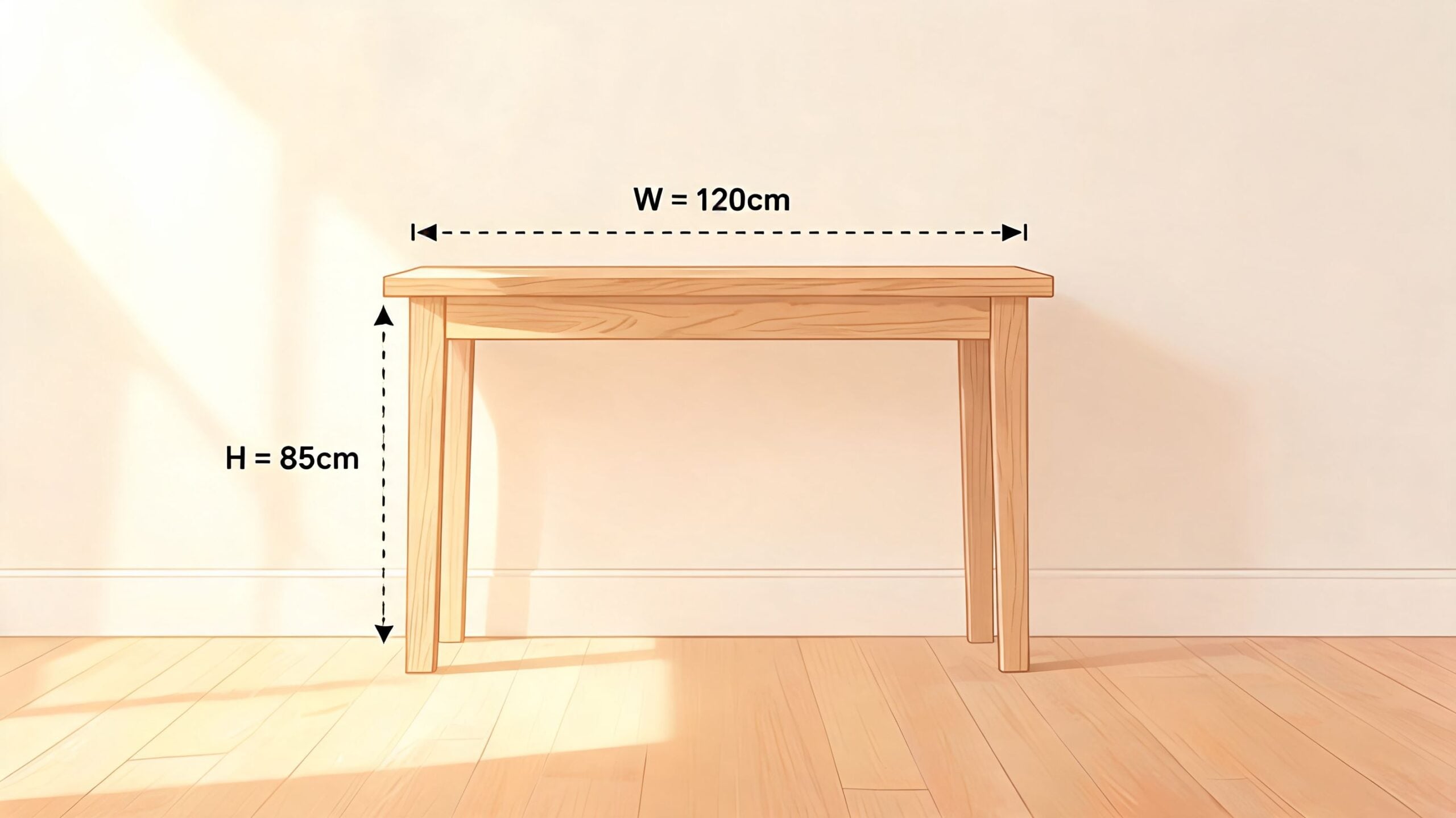
Buying the right timber console table starts with a tape measure, not a finish sample. Most sizing mistakes happen because people shop by photo first and space second. The table may look perfect on a screen, then arrive too deep for the hallway or too tall behind the sofa.
Functional console tables are typically 28 to 32 inches high and 14 to 18 inches deep, according to this guide on console table dimensions and load considerations. That same source notes that a console behind a sofa should sit 1 to 2 inches lower than the sofa back, and a well-designed solid wood piece with strong joinery can support 150 to 200 pounds.
Start with the room's pressure points
The best placement depends on what the room needs from the table.
| Location | What to check | Why it matters |
|---|---|---|
| Entryway | Door swing and walking clearance | You don't want the space to feel pinched the moment you walk in |
| Behind a sofa | Sofa-back height | A slightly lower console looks intentional and keeps sightlines clean |
| Dining room wall | Serving space and chair movement | The table should help the room work, not interrupt circulation |
| Hallway | Depth | A narrow profile keeps traffic safe and comfortable |
If your home has tighter circulation zones, especially in older Ann Arbor homes or compact condos, depth matters more than people expect. A slim table often feels better than a longer one that projects too far into the room.
A few rules that save headaches
Before you order anything, write down these basics:
- Measure height against nearby furniture: Behind a sofa, keep the console slightly lower than the sofa back.
- Check depth at the narrowest point: Hallways and entries need breathing room.
- Think about use, not just looks: A lamp, basket, or small TV changes what the table needs to carry.
- Confirm wall details: Baseboards, vents, and outlet placement can change your ideal dimensions.
Practical rule: The right console table should feel present, not protruding.
For readers who want a clean measurement routine before shopping, these tips for measuring furniture accurately are helpful and easy to follow.
Why construction affects placement too
Sizing isn't only about appearance. It's also about what the piece can do. If you plan to use a timber console table for heavy decor, stacked books, or electronics, solid wood construction matters. Joinery such as mortise-and-tenon helps a table stay stable under real household use, especially when the piece is long and narrow.
If you'd like a local checklist before visiting a showroom, this article on how to measure furniture is worth bookmarking. It helps translate room dimensions into actual buying decisions, which is where most uncertainty tends to disappear.
A Guide to Solid North American Hardwoods
Once the size is right, the next question is the one that shapes how the table will age. What wood is it made from?
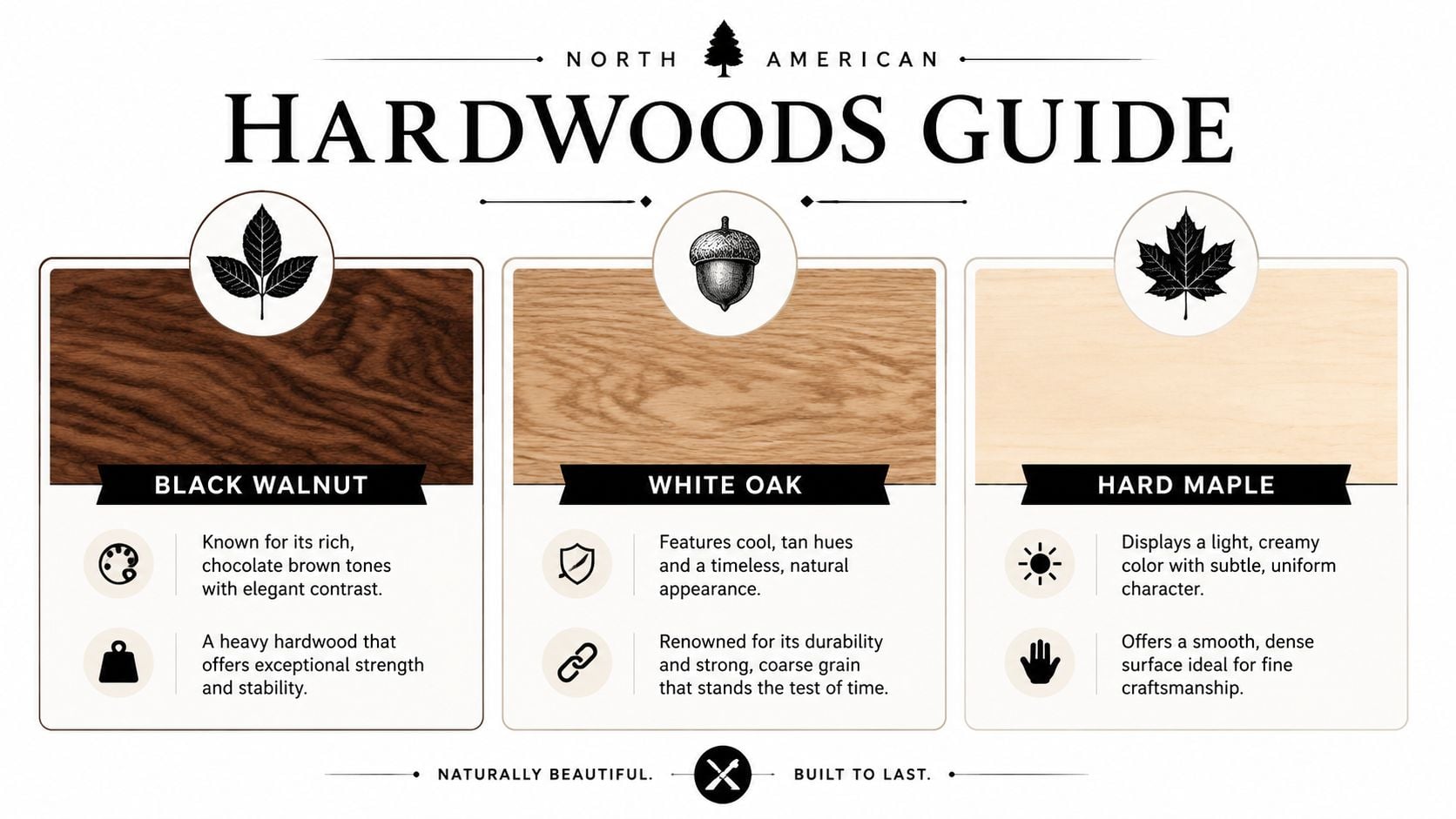
That isn't a fussy detail. In Southeast Michigan, seasonal moisture changes put real stress on wood furniture. A 2025 Woodworkers Institute study noted that in humid climates like this one, solid oak and maple tables can expand and contract up to 1/8 inch seasonally, and without proper construction and finishing that movement can risk cracks, as discussed in this overview of console tables and wood movement.
What solid hardwood feels like in person
You can hear the difference sometimes, but you almost always feel it.
White oak has a grounded, substantial presence. The grain gives it texture and character, and it pairs well with interiors that lean classic, modern organic, or quiet transitional.
Cherry carries a smoother, richer visual warmth. There's a satisfying weight to solid cherry wood, and many homeowners love it because it feels refined without feeling delicate.
Maple is cleaner and brighter. It works beautifully when you want a lighter palette and a dense, smooth surface that supports a more refined look.
The point isn't that one species is “best.” It's that each wood brings its own personality, and solid hardwood gives a console table more than surface appeal. It gives the piece structure all the way through.
Solid wood versus veneer
Many shoppers get tripped up at this stage. A veneer table can photograph well. Up close, and over time, it's a different story.
- Solid wood has depth: Minor wear can become part of the character, and in many cases the surface can be refreshed.
- Joinery matters: Hand-crafted construction using methods such as mortise-and-tenon or dovetail joinery supports long-term stability.
- Veneer relies more on surface perfection: Once the outer layer is compromised, repair options are often more limited.
- Climate exposure separates them fast: Seasonal expansion and contraction ask more of a table than a showroom floor ever will.
In Michigan, wood movement isn't a flaw. It's a fact. Good furniture plans for it.
That's why Amish hand-crafted furniture continues to attract homeowners who care about longevity. The craft tradition respects the material. It doesn't fight it.
Choosing with your home in mind
A timber console table should suit both your room and your habits.
If the table will sit in a sunny entry, white oak often makes practical sense. If it will hold decorative objects in a formal dining room, cherry may give you the richer tone you want. If your home office needs a narrow, hard-working surface that still feels polished, maple can be a smart fit.
For a deeper look at species, grain, and long-term wear, this guide to choosing the right hardwood for longevity and style helps connect wood selection to daily living, not just showroom appearance.
The Art of the Finish Protecting Your Investment
A timber console table can be beautifully built and still disappoint if the finish isn't right for your home. Finish is the working layer. It affects how the table feels under your hand, how it responds to scratches, and how stressful ownership becomes after the first spill, scuff, or winter dryness.
In Southeast Michigan, that choice matters even more because humidity swings ask a lot from both wood and finish. According to this product reference discussing wood surface care and performance, a hand-applied oil finish penetrates the wood and allows spot repairs, while polyurethane creates a film that typically requires complete resurfacing if scratched. The same source notes that on a species like white oak, a proper finish can extend the refinishing interval to 7 to 10 years when maintained well, as described on this white oak console product page.
Oil versus polyurethane in plain language
Most shoppers don't need finishing chemistry. They need practical consequences.
Oil or wax-style finishes sink into the wood fibers. They tend to keep the surface feeling more natural and are usually friendlier to touch-up care.
Polyurethane finishes sit more on top of the wood. They can offer stronger barrier protection in some situations, but if that film gets damaged, the repair is usually less local and more involved.
That difference shapes the cost-per-year of ownership. A piece you can maintain, refresh, and keep in service often delivers better long-term value than one that looks pristine for a while but becomes difficult to repair.
Questions worth asking before you buy
Bring these questions with you when you shop:
- How is the finish applied? Hand-applied finishes and factory film finishes behave differently over time.
- Can scratches be spot-repaired? This affects day-to-day livability.
- What care routine does the finish need? A beautiful table should come with realistic maintenance advice.
- How will this finish look as it ages? Some people want patina. Others want a more sealed appearance.
The smartest furniture investment isn't the one that avoids wear. It's the one that wears in a way you can live with.
For more practical care guidance, this article on protecting wood furniture from scratches and stains helps homeowners think clearly about daily use, finish expectations, and maintenance habits.
Styling Your Console Table Like a Designer
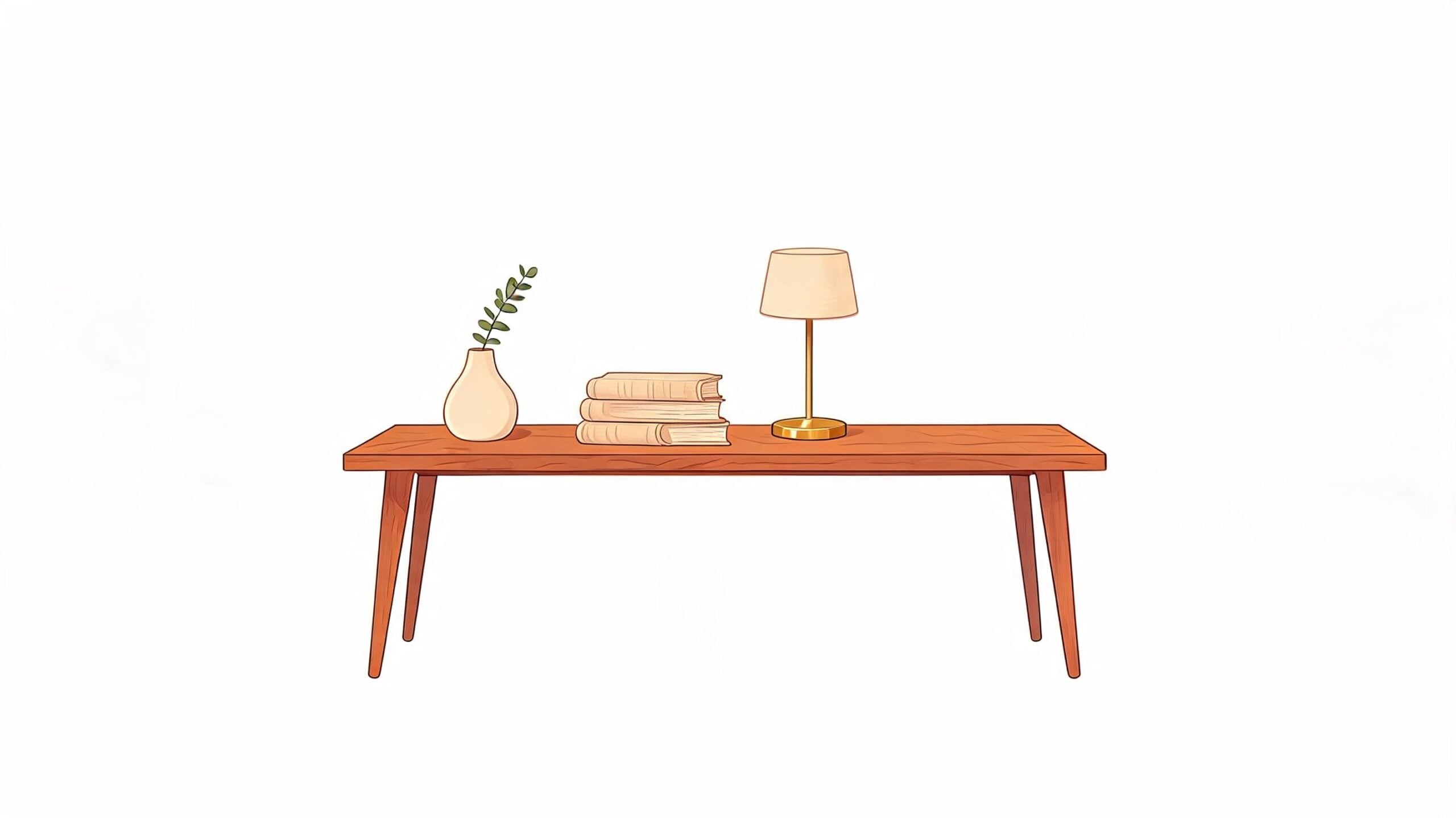
Once the table is in place, styling should feel enjoyable, not intimidating. A well-styled timber console table doesn't need a dozen accessories. It needs balance, breathing room, and a few objects with different shapes and visual weights.
A simple styling formula that works
Try building your arrangement in layers instead of shopping for “decor.”
- Start tall: A lamp, branch arrangement, or vertical artwork gives the display height.
- Add a medium shape: A vase, bowl, or framed photo bridges the gap between tall and low elements.
- Ground it with a low layer: Stacked books, a tray, or a shallow box keeps the composition from floating.
- Leave negative space: Empty surface is part of the design. It lets the wood show.
A narrow console especially benefits from restraint. If every inch is filled, the piece loses its elegance.
Match the styling to the room's job
A console in the front hall should work harder than one in a quiet sitting room.
Entryway look
A lamp, catchall tray, and one substantial piece of art often do the job. You want function first, beauty second.
Behind-the-sofa look
Use lower objects so the arrangement doesn't compete with sightlines. Books, a small plant, and a sculptural object usually feel right.
Dining room look
Candlesticks, serving bowls, or a pair of lamps can create a more dressed-up tone in this space.
Good styling gives the eye a place to rest, not just a lot to look at.
Texture matters more than quantity
The most inviting console displays mix hard and soft surfaces. Wood, ceramic, woven texture, paper, metal, and greenery keep the setup from feeling flat. If you're trying to make a room feel warmer overall, this article on creating a cozy home haven has some useful ideas for layering comfort without clutter.
For readers who enjoy step-by-step visual styling, this guide to the perfectly styled coffee table translates surprisingly well to console tables too. The same principles apply. Vary height, repeat tone, and give every object a reason to be there.
The Tyner Advantage Bespoke and Made-to-Order
You bring home a console table that looked right in the showroom, then January arrives in Southeast Michigan. The hallway feels tighter with boots and coats by the door, the heat kicks on, and a piece that was merely "close enough" starts to show why exact fit matters. A custom, hand-crafted timber console solves that problem at the start.
For many homeowners in Ann Arbor and the surrounding area, made-to-order is less about luxury and more about avoiding compromise. Older homes often have radiator covers, narrow passages, uneven plaster walls, or trim details that standard sizes never account for. Newer homes can be just as tricky. Open plans need furniture that defines space without blocking it. In both cases, a console built to the room usually performs better over time than one chosen from a short list of stock dimensions.
A good custom console also makes better financial sense than it first appears. If a solid wood piece is built well, finished properly, and sized for the house you live in, you may keep it for decades. Spread that cost over twenty or thirty years, and the cost per year often looks far better than replacing a cheaper table every time a room changes or a poor fit starts to bother you.

Where made-to-order earns its keep
The benefit shows up in practical details.
- Tight hallways: A shallower depth can keep traffic comfortable, especially in homes where winter gear piles up near the entry.
- Historic layouts: In Ann Arbor homes with radiators, older baseboards, or unusual wall lengths, a standard console can waste space or sit awkwardly.
- Behind a sofa: The right height matters if you want the table to feel connected to the seating instead of floating above or disappearing below it.
- Multi-use living: A console may need to hold lamps, mail, and keys one season, then serve as a quiet work perch during another.
- Wood and finish match: Choosing a species and finish that sit well with existing floors or millwork helps the room feel settled.
Climate matters here too. Southeast Michigan swings from dry, heated winters to humid summers, and solid wood responds to those changes the way a good leather shoe responds to weather. It moves a little, then settles back. A hand-crafted piece built with that reality in mind, using proper joinery and sensible construction, is better equipped for those seasonal shifts than a mass-produced table built to hit a price point.
Why local custom programs matter
Showroom pieces are still useful. They let you judge weight, surface feel, grain character, and construction with your own hands. But the floor model is often the sample, not the answer.
Made-to-order programs let shoppers choose dimensions, wood species, and finish options based on the room, the traffic pattern, and the way the house behaves through the year. That is a different approach from buying whatever happens to be available in one standard depth. It works more like having a suit adjusted by a good tailor, except the benefit lasts much longer and affects how your home functions every day.
Tyner Furniture offers that kind of custom-order approach in its Ann Arbor showroom, alongside other whole-home categories. For homeowners trying to coordinate a console with nearby dining furniture, living room pieces, or home office storage, that kind of in-person guidance can prevent expensive mistakes and lead to a piece that earns its keep year after year.
Making Your Heirloom Piece a Reality
The last step is to judge the purchase the way a homeowner does, not the way a showroom tag does. Price matters, but cost per year tells the fuller story. A hand-crafted timber console that serves your home for decades, can be repaired, and still looks right after a move or remodel often costs less over time than a cheaper table replaced every few years.
That math becomes even more useful in Southeast Michigan. Dry winter heat, damp summer air, muddy entry seasons, and everyday family traffic all test furniture in real ways. A well-built solid wood console is made to handle those cycles with more grace, which protects both its appearance and its working life. Over fifteen, twenty, or thirty years, durability is not a nice extra. It is where value comes from.
A simple way to sort your options is to ask four practical questions:
- How many years do I expect this table to serve my home? A lower upfront price can look less appealing once you spread replacements across the same timeline.
- Can it be repaired or refinished? A scratched solid wood top often has a future. A damaged veneer or low-grade surface often does not.
- Will the size still work if the room changes? The best console tables adapt from entry to hallway to behind a sofa without feeling temporary.
- Was it built for real household conditions? Joinery, wood movement, and finish quality matter more in Michigan than a trendy profile.
That decision process usually changes the conversation. Shoppers often start with style and budget, then realize they are really choosing lifespan, maintenance, and flexibility. It works like buying a good winter coat. The one that fits, wears well, and can handle the weather usually earns its keep long after the cheaper option has been discarded.
Seeing wood furniture in person still helps clarify that value. Weight, grain, surface feel, and finish are hard to judge on a screen, especially if you are trying to compare what will age gracefully and what will merely look good on delivery day.
Tyner Furniture in Ann Arbor gives local homeowners a place to make those comparisons with their hands and eyes, then order a piece that suits the house they live in. For anyone trying to turn a timber console table into an heirloom purchase, that is the primary goal. Buy once, buy thoughtfully, and let the cost per year work in your favor.