Dining Benches Upholstered: Your 2026 Style Guide


You’re probably here because your dining room almost works.
Maybe the table is right, but the chairs make the room feel crowded. Maybe the space looks a little stiff, or family dinners stretch longer than the seating comfortably allows. Or maybe you’ve seen dining benches upholstered in photos and wondered whether they’re practical in real homes with weeknight pasta, homework, and guests who stay for coffee.
That’s a fair question. A good upholstered dining bench can soften a room, save space, and make everyday meals feel more inviting. A poor one can look nice online and disappoint within a few years. Around Ann Arbor and across Southeast Michigan, that difference matters, especially when you’re furnishing a forever home and want comfort that lasts.
At a local store with roots going back to 1957, we’ve watched shoppers move away from “good enough” purchases and toward pieces that feel intentional. Dining seating is part of that shift. It isn’t only about style. It’s about how a bench fits your table, how it supports your back, how the fabric wears, and whether the frame still feels solid years from now.
Table of Contents
- Reimagining Your Dining Room with Upholstered Benches
- The Pros and Cons of Upholstered Dining Seating
- A Guide to Upholstered Bench Styles and Materials
- The Hallmarks of Heirloom-Quality Craftsmanship
- How to Measure for a Perfect and Ergonomic Fit
- The Customization Edge Your Bespoke Dining Bench
- Long-Term Care and Local Buying in Southeast Michigan
- Frequently Asked Questions
Reimagining Your Dining Room with Upholstered Benches
A dining bench changes the mood of a room faster than anticipated. Swap two end chairs for a single upholstered bench, and suddenly the space feels less formal, more gathered, and often a bit roomier. The hard lines of wood and tabletops get balanced by fabric, cushioning, and a silhouette that looks welcoming rather than rigid.
That’s especially useful in homes where the dining room has to do more than one job. In many Southeast Michigan homes, the dining area handles breakfast, laptop time, school projects, and holiday meals. A bench works well in that kind of real life because it’s flexible. You can slide in children more easily, pull up a side chair when needed, and keep the room from feeling crowded with too many chair backs.
If you’ve been collecting ideas, a broad primer on upholstered ottomans and benches can help you see how upholstered seating adds warmth beyond the dining room too.
A bench often solves two problems at once. It softens the room visually and makes the seating more adaptable.
Some shoppers worry that a bench will feel casual in the wrong way. In practice, that depends on the details. A backless bench in a clean fabric feels modern. A high-back bench in textured upholstery feels polished and substantial. A corner nook can make a compact space feel custom built.
If you’re still sorting out the room as a whole, this guide on where to start when designing a dining room is a smart first step before you commit to specific seating.
The Pros and Cons of Upholstered Dining Seating
Upholstered benches have been part of the comfort story in dining furniture for a long time. The Victorian era saw advancements in spring technology and mass-produced fabrics, which made comfortable upholstered benches a popular option for middle-class dining rooms. That history still shows up in what people want now. They want dining seating that looks refined, but they also want to stay comfortable through a long meal.
Where upholstered seating shines
The biggest advantage is comfort. A cushioned seat changes the feel of dinner right away, especially if your current chairs are all wood or metal. People tend to linger longer when their seat has some give and back support.
There’s also a visual benefit. Upholstery breaks up a room full of hard surfaces, which matters in spaces with wood floors, a wood table, and a cabinet or sideboard nearby. Fabric adds softness and depth.
A bench can also be efficient in a way individual chairs aren’t.
- Tighter footprint: A single bench often tucks under the table more neatly than several chairs.
- Flexible seating: Children and mixed-size groups tend to fit more naturally on a bench.
- Cleaner sight lines: Fewer separate pieces can make the room feel less busy.
The trade-offs buyers should think through
The main concern is maintenance. Dining seating sees crumbs, spills, and constant use. That doesn’t mean upholstered benches are a poor choice. It means the material selection matters more than it would on an accent bench in a quiet corner.
Another issue is support. Not every upholstered bench is comfortable just because it’s padded. If the seat is too deep, too low, or too soft, people slide forward and lose posture during meals.
A final consideration is formality. Some homeowners love the relaxed look of a bench paired with chairs. Others prefer a more symmetrical dining set. Neither is wrong. It depends on the room and on how you use it.
Practical rule: If your dining room hosts long meals, game nights, or work-from-home overflow, upholstery usually earns its place.
The honest answer is this. Dining benches upholstered can be a smart long-term choice, but only if you buy with durability, proportions, and fabric performance in mind.
A Guide to Upholstered Bench Styles and Materials
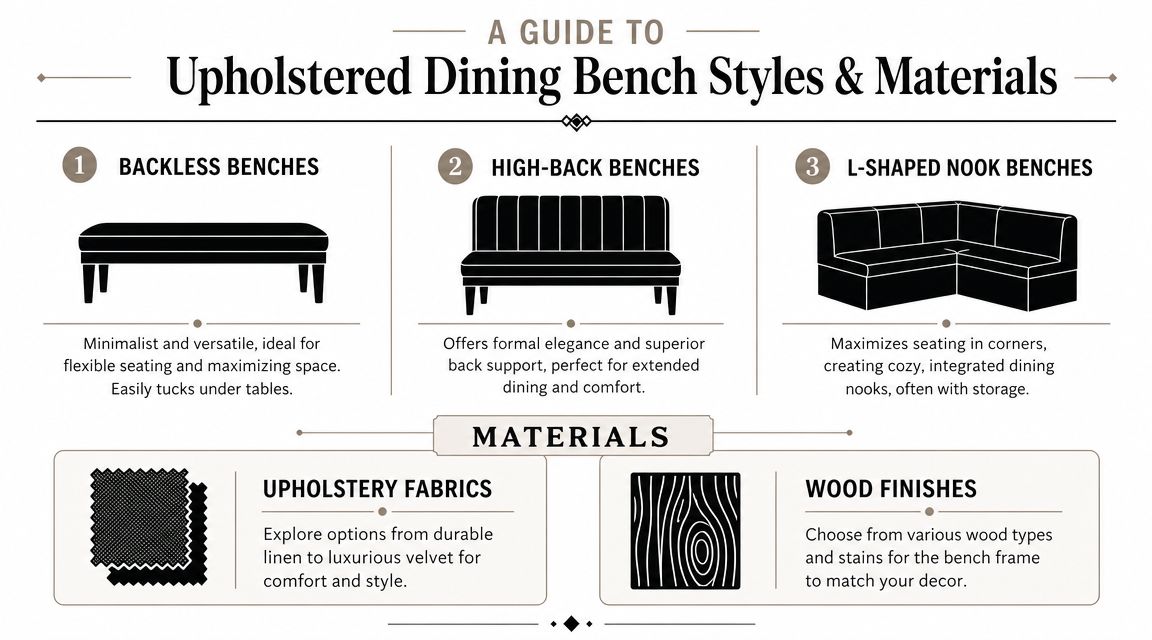
Style is often the starting point. That makes sense. You notice the shape first. But the best bench style is the one that matches both the room and the way you live in it.
For a deeper look at fabric behavior, texture, and wear, this article on everything you need to know about upholstery materials is worth reading before you narrow your options.
Choosing the right bench shape
Backless benches suit smaller dining rooms and open-concept layouts. They tuck under the table easily and keep the room feeling airy. If you like a minimalist look, this is often the cleanest choice.
High-back benches bring more structure. They feel more like a banquette and usually provide stronger support for longer sitting. In a formal dining room, they can look elegant and substantial rather than casual.
L-shaped nook benches are ideal for corners and breakfast areas. They create a built-in feel and often make underused square footage more functional. In family homes, they can become the most-used seat in the house.
How materials change the experience
A bench doesn’t just look a certain way. It feels a certain way every day.
- Leather: Top-grain leather has a buttery hand and a refined appearance. It often works beautifully in homes that lean classic, transitional, or mid-century.
- Velvet: Performance velvet brings softness and a richer light-catching surface. It can make a simple bench feel dressier.
- Linen-look fabrics: These offer an easy, relaxed finish. They’re popular in lighter interiors but should be chosen carefully for dining use.
- Textured weaves: These add dimension and help hide everyday visual wear.
Then there’s the wood itself. The frame tone matters as much as the upholstery. A dark stain adds weight and contrast. Natural oak or maple feels brighter and more casual. Solid wood has a different presence than lighter engineered alternatives. You can feel it when you sit down and when you move the piece.
A bench should make sense from across the room and at arm’s length. You want the eye to enjoy the shape, and you want your hand to notice quality when it brushes the fabric or the finished wood edge.
The Hallmarks of Heirloom-Quality Craftsmanship
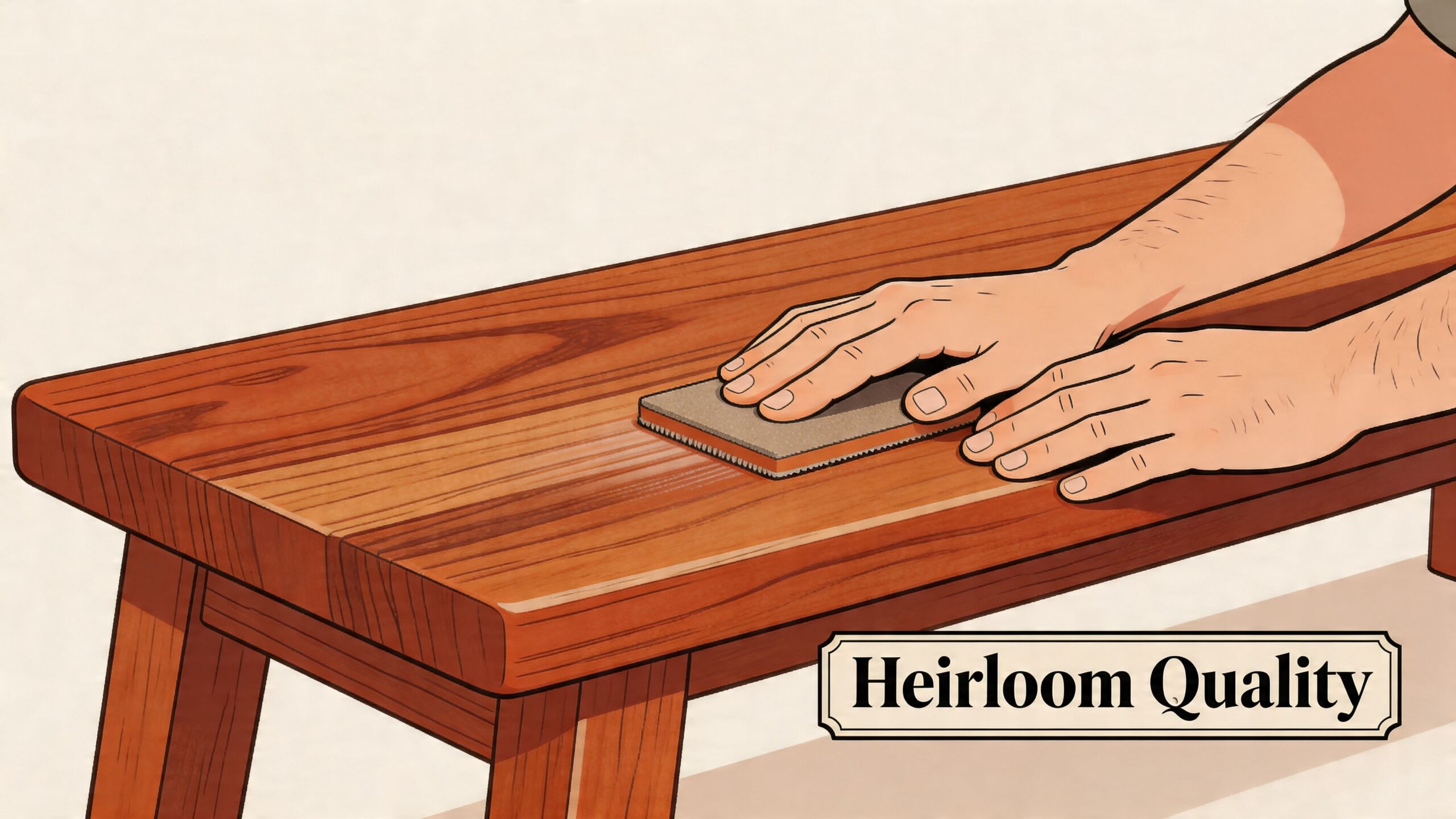
A dining bench can photograph beautifully, arrive at your door, and still disappoint within a year. The fabric may look fine, but the seat starts to sag, the frame begins to loosen, and the whole piece feels tired long before it should. That is the difference between furniture made for a catalog photo and furniture made for a home.
If you want an upholstered bench that stays comfortable through holidays, homework, and weeknight dinners, start underneath the fabric. The hidden structure does the essential work. Attention to craftsmanship is also why American-made solid wood furniture deserves consideration when you are comparing a bench built to last with one built to hit a price point.
A well-made bench works like a house with a good foundation. You may not see the framing once the walls are finished, but you feel the result every day.
What to look for inside the bench
Frame construction is the first checkpoint. A stronger frame keeps the seat steady, helps joints stay tight, and gives the upholstery a dependable base. According to a Tribesigns upholstered bench product reference, premium upholstered benches often pair kiln-dried hardwood frames with high-density foam for greater weight capacity and longer service life than budget models.
That matters in real homes. Dining benches get dragged, scooted, leaned on, and used by more than one person at a time. In family homes across Southeast Michigan, they often serve double duty as extra seating, a landing spot for bags, or the place where kids perch during a quick snack.
Here are the details I tell shoppers to check closely:
- Kiln-dried hardwood frame: Drying the wood properly reduces later movement, which helps prevent loosening and wobble.
- High-density foam: Better foam keeps its shape longer, so the bench feels supportive instead of hollow or compressed.
- Clean upholstery lines: Seams should be straight, welting should look even, and corners should feel sharp rather than rushed.
- Dependable joinery: The bench should feel planted when someone shifts their weight, not shaky at the joints.
Good furniture has a quiet confidence. It sits solidly, supports you evenly, and does not ask you to overlook obvious shortcuts.
Why solid wood still matters
Solid wood earns its reputation over time. Oak, maple, and cherry age with character, not just wear. Small marks can become part of the story, and a quality finish can often be refreshed years later instead of forcing you to replace the whole piece.
That is one of the clearest differences between heirloom furniture and fast furniture. Lower-cost benches made with MDF, thin veneers, or lighter internal components can serve a short-term need, but they rarely improve with age. Once the structure weakens or the surface breaks down, repair is often impractical.
Joinery matters here too. Mortise-and-tenon construction, corner blocking, and careful fastening give a bench the kind of staying power that families notice after ten or fifteen years, not just on delivery day. If you need a practical reference for proportions while judging build quality, The Sofa Cover Crafter explains bench height in a clear, homeowner-friendly way.
An heirloom bench is not about showing off. It is about buying once, buying thoughtfully, and bringing home a piece that still feels dependable after moves, milestones, and daily use. In a good furniture store, that is the standard worth paying attention to.
How to Measure for a Perfect and Ergonomic Fit
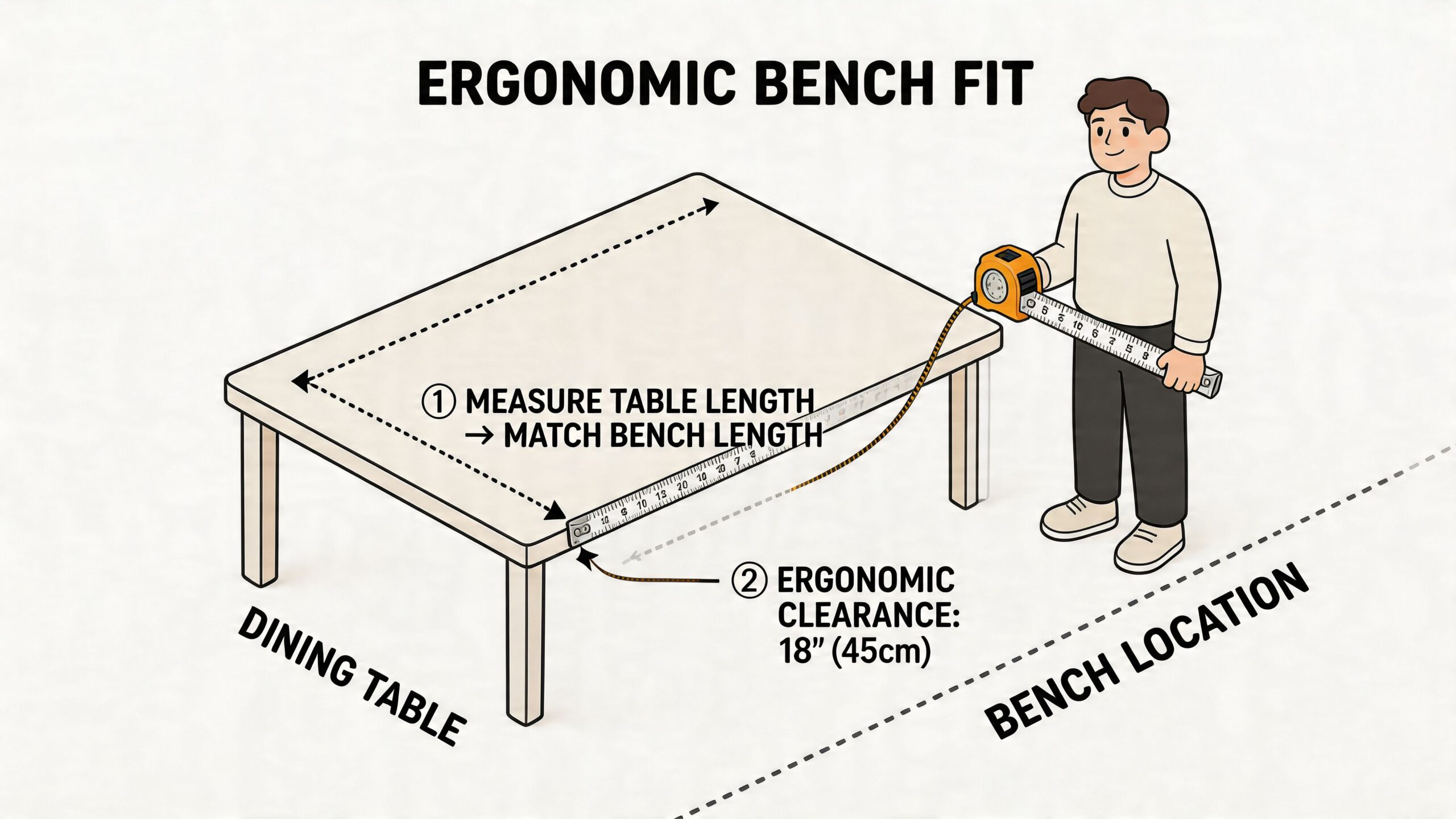
You get the bench home, slide it under the table, and something feels off. The fabric is right. The finish suits the room. Yet dinner feels cramped, or guests perch instead of settling in. That usually comes down to fit, not style.
Measuring well is how you avoid buying a piece that looks custom but lives like a compromise. For Southeast Michigan homeowners who want lasting value, this step matters because an heirloom bench should serve the room comfortably for years, through weeknight meals, holidays, and the occasional grandchild who scoots in sideways.
If you want a second reference point while measuring, The Sofa Cover Crafter explains bench height in a straightforward way that many homeowners find helpful.
The three measurements that matter most
The core ergonomic guideline, according to a dining bench size guide from James & James Furniture, is that a dining bench seat should be 18 to 20 inches from the floor, leave about 12 inches of space below the tabletop, and have a seat depth around 18 inches.
Those numbers are your starting line, not a rule carved in stone. Upholstery adds softness, table aprons vary, and people do not all sit the same way. Still, these proportions give you a reliable baseline.
Start with the table height. That is the anchor for everything else. If the bench sits too high, knees press into the apron and shoulders creep upward during a meal. If it sits too low, diners end up reaching for the plate instead of relaxing into the seat.
Next, check seat depth. This is the measurement people skip, and they feel it later. A bench that is too deep can look generous on the showroom floor, but at the table it often forces shorter diners to sit forward with no support behind them. Around 18 inches usually keeps the posture natural.
Then look at length. A bench should not run edge to edge with the tabletop. Leaving a little room at each end makes the piece look better and gives people space to slide in and out without bumping table legs. It works like hemming a good pair of trousers. The fit is cleaner because there is breathing room.
For room planning beyond the bench itself, this guide on how to measure furniture before you buy helps prevent the classic problem of a piece fitting on paper but crowding the room in real life.
Common fit mistakes to avoid
One common mistake is measuring only the top of the table and ignoring the apron underneath. The apron steals legroom, so it needs to be part of the calculation.
Another is forgetting who will use the bench most often. A backless bench for occasional guests can work beautifully. A family that lingers over meals may want more support and a little more padding.
Back height deserves attention too. In an open dining room, a taller upholstered bench can define the space nicely. In a smaller room, that same height may interrupt sight lines and make the area feel heavier than it is.
Use this quick reference when you shop:
| Dimension | What to aim for | Why it matters |
|---|---|---|
| Seat height | 18-20 inches | Keeps dining posture comfortable |
| Table clearance | About 12 inches | Helps with legroom |
| Seat depth | Around 18 inches | Balances support and reach |
Good measuring protects more than comfort. It protects your investment. When the proportions are right from the start, a well-made upholstered bench has a better chance of becoming the piece you keep, recover, and pass along, rather than one more fast-furniture regret.
The Customization Edge Your Bespoke Dining Bench
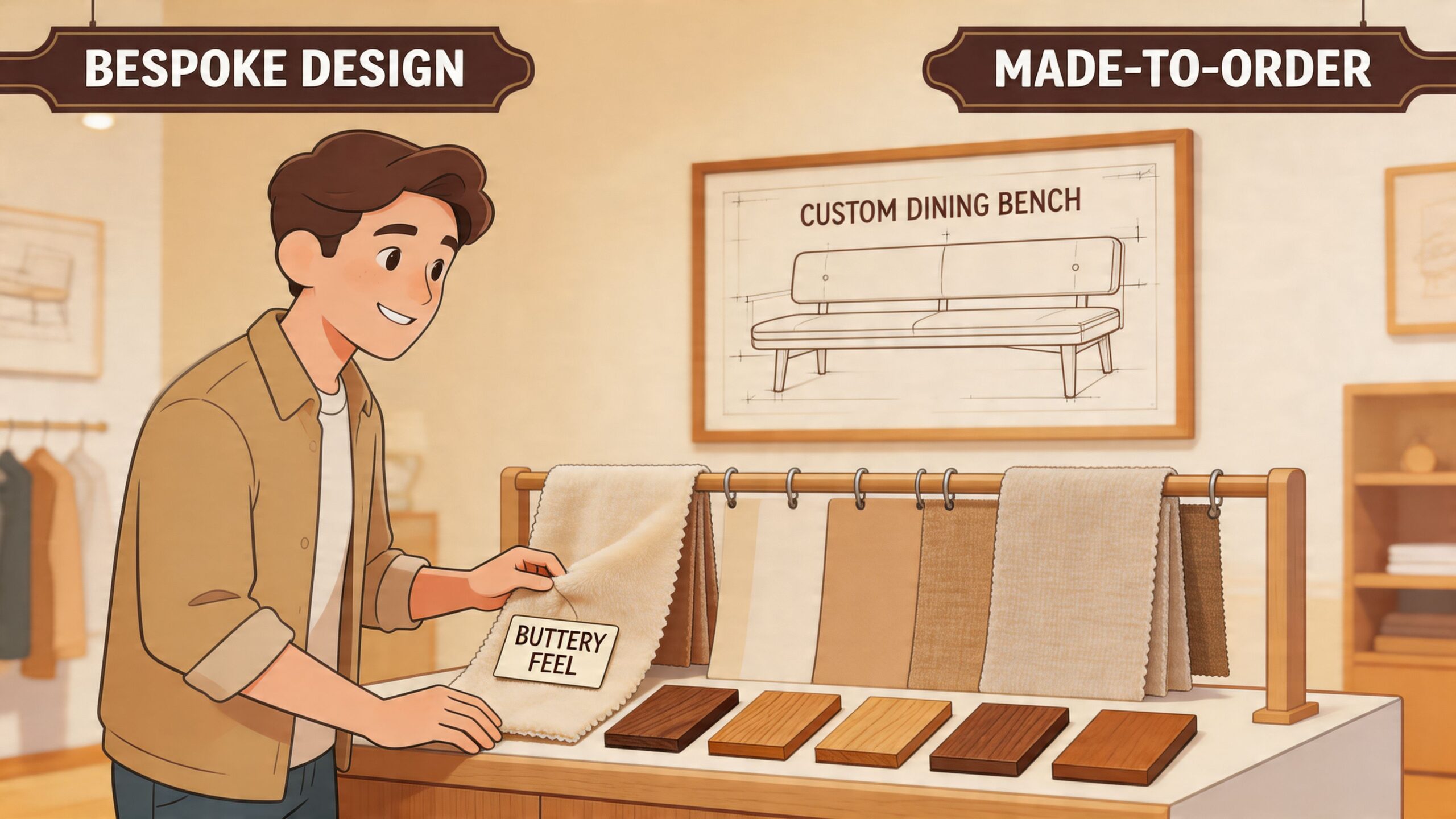
A Southeast Michigan family often starts in the same place. They find a bench that looks right online, bring it home, and then notice the details that were never quite right. The seat feels too shallow for long dinners. The fabric fights with the room’s light. The length leaves one side of the table looking pinched. Custom work solves that problem by fitting the bench to the way your home lives.
That difference matters if you want a bench you can keep for years, reupholster later, and still be proud to pass down. Analysts at Blu Dot’s dining bench collection page point to growing interest in dining benches and flexible dining furniture, and that lines up with what many furniture stores have seen firsthand. Homeowners want pieces that work harder and last longer. A bespoke upholstered bench answers that need better than a quick, one-size-fits-all purchase.
What you can actually customize
Good customization starts with the bones of the piece, then works outward. It is a lot like tailoring a sport coat. The fabric matters, but the fit matters first.
Here are the choices that shape how the bench will look, feel, and wear over time:
- Wood species and finish: Oak brings grain and character. Maple feels cleaner and more refined. Cherry deepens beautifully with age.
- Bench form: Backless benches keep a room open. High-back benches add support and a stronger visual presence. Banquette and nook styles can solve awkward corners.
- Seat comfort: Cushion density, seat pitch, and back support change whether the bench works for a quick breakfast or a two-hour holiday meal.
- Fabric or leather: A busy family usually needs a forgiving textile with easy cleanup. A quieter dining room may leave more room for linen blends or softer leathers.
- Details: Tufting, channel backs, welt trim, leg shape, and base style all influence whether the bench reads casual, formal, rustic, or clean-lined.
For shoppers who have never ordered made-to-order furniture before, this guide to custom furniture made simple explains the process in plain language.
Some homeowners also feel more confident once they can see how an idea moves from rough concept to finished build. This overview of the sketch to 3D workflow for furniture gives helpful context for how custom details are planned before production begins.
Why bespoke feels clearer in person
Customization becomes easier once you can compare choices side by side.
A showroom lets you test the difference between a firmer seat and a softer one. You can hold two fabrics under the same light and see which one hides everyday wear better. You can study stain colors on real wood instead of on a screen, where warm brown and gray-brown often blur together. That hands-on step keeps expensive surprises to a minimum.
Tyner Furniture is one local place where shoppers can review made-to-order dining options, including Canadel programs, and sort through practical decisions with guidance from staff who do this every day.
The best custom bench is not the one with the most options. It is the one with the right options for your table, your routine, and your time horizon.
That is the customization advantage. You are choosing more than color and trim. You are choosing how the bench will serve your household now, how well it will age, and whether it deserves a place in your home long after fast furniture would have been replaced.
Long-Term Care and Local Buying in Southeast Michigan
A dining bench usually shows its true character six months after delivery, on an ordinary Tuesday night. Someone slides in wearing jeans, a child drops pasta sauce, and a backpack corner bumps the seat on the way past. That is the true test. Long-term value comes from choosing upholstery and construction that can live through daily use without looking tired too soon.
As noted in a Wayfair upholstered dining bench category reference, shoppers will find a wide range of bench styles and upholstery types on the market. That variety is helpful, but it also explains why some pieces age gracefully while others become short-term purchases. An heirloom-minded bench is built for repeated use, repairability, and fabric choices that make sense for a dining room, not just for a photo.
Simple care habits that protect your investment
Good care starts with realistic expectations. A dining bench is working furniture. It handles friction, crumbs, spills, and constant movement, so the goal is not perfection. The goal is slow, even aging.
A few habits make a noticeable difference over time:
- Start with practical upholstery: Performance fabric, treated textiles, and easy-care leather usually hold up better in dining spaces than delicate decorative weaves.
- Blot spills right away: Press with a clean cloth. Rubbing spreads moisture and can rough up the fabric surface.
- Vacuum seams and corners: Crumbs act like fine grit. Left in place, they wear fabric faster where people slide in and out.
- Share the wear: If the same family member always sits in the same spot, that cushion and fabric panel will age first.
- Follow the maker's cleaning code: A quick check now prevents the kind of over-cleaning that shortens fabric life.
Wood furniture owners understand this instinctively. You would not scrub a solid maple tabletop with the wrong cleaner and expect it to improve with age. Upholstery works the same way. Consistent, gentle care protects the materials that give a bench its comfort and structured look.
Why local shopping changes the decision
Local buying helps you judge the parts of quality that a product page cannot show clearly. Seat firmness is a good example. On a screen, two benches may look nearly identical. In person, one feels supportive for a full meal, while the other compresses too easily and may lose shape sooner.
That matters in Southeast Michigan, where many households want furniture that can stay through moves, remodels, and changing family routines. Older Ann Arbor homes, updated colonials, and newer open-plan spaces all ask for slightly different proportions and finishes. A local showroom visit lets you compare fabric texture, cushion feel, and wood tone under real light, which is far more useful than guessing from small digital swatches.
It also gives you a chance to ask better long-term questions. Can the fabric be reordered later if a panel is damaged? Is the seat built to be reupholstered after years of use? Are replacement parts or touch-up materials available? Those are heirloom questions. Fast furniture rarely answers them well.
Tyner Furniture is one local option where Southeast Michigan shoppers can test dining pieces in person and compare custom-order possibilities with help from staff who work with these decisions every day. That kind of face-to-face guidance often prevents the expensive mistake of buying a bench that photographs well but does not wear well.
Frequently Asked Questions
Can I mix a dining bench with chairs
Yes, and it often looks better than a full matching set. A bench on one side with chairs opposite creates balance without making the room feel overly formal.
Are upholstered benches good for round tables
Usually not. Straight benches pair more naturally with rectangular or oval tables. Round tables tend to work better with individual chairs because the seating angle changes all the way around.
How many people can a bench seat
It depends on the length. As a practical rule, shorter benches suit compact dining areas, while longer benches work better for families or frequent guests. The key is leaving enough personal space for people to sit and slide in comfortably.
Are dining benches upholstered hard to maintain
Not necessarily. They just need smarter material choices than occasional seating. In a busy home, performance-minded fabrics or easy-care leather usually make more sense than delicate decorative textiles.
If you’re weighing dining benches upholstered for your home, visit Tyner Furniture for a sit test at the Ann Arbor showroom on South State St., or browse the online Quick Specs for special orders. Since 1957, the store has helped Southeast Michigan shoppers compare comfort, craftsmanship, and customization across the home, from dining and home office pieces to bedroom, living room, and outdoor spaces.