Best Fabric for Sofa Upholstery: A 2026 Homeowner’s Guide

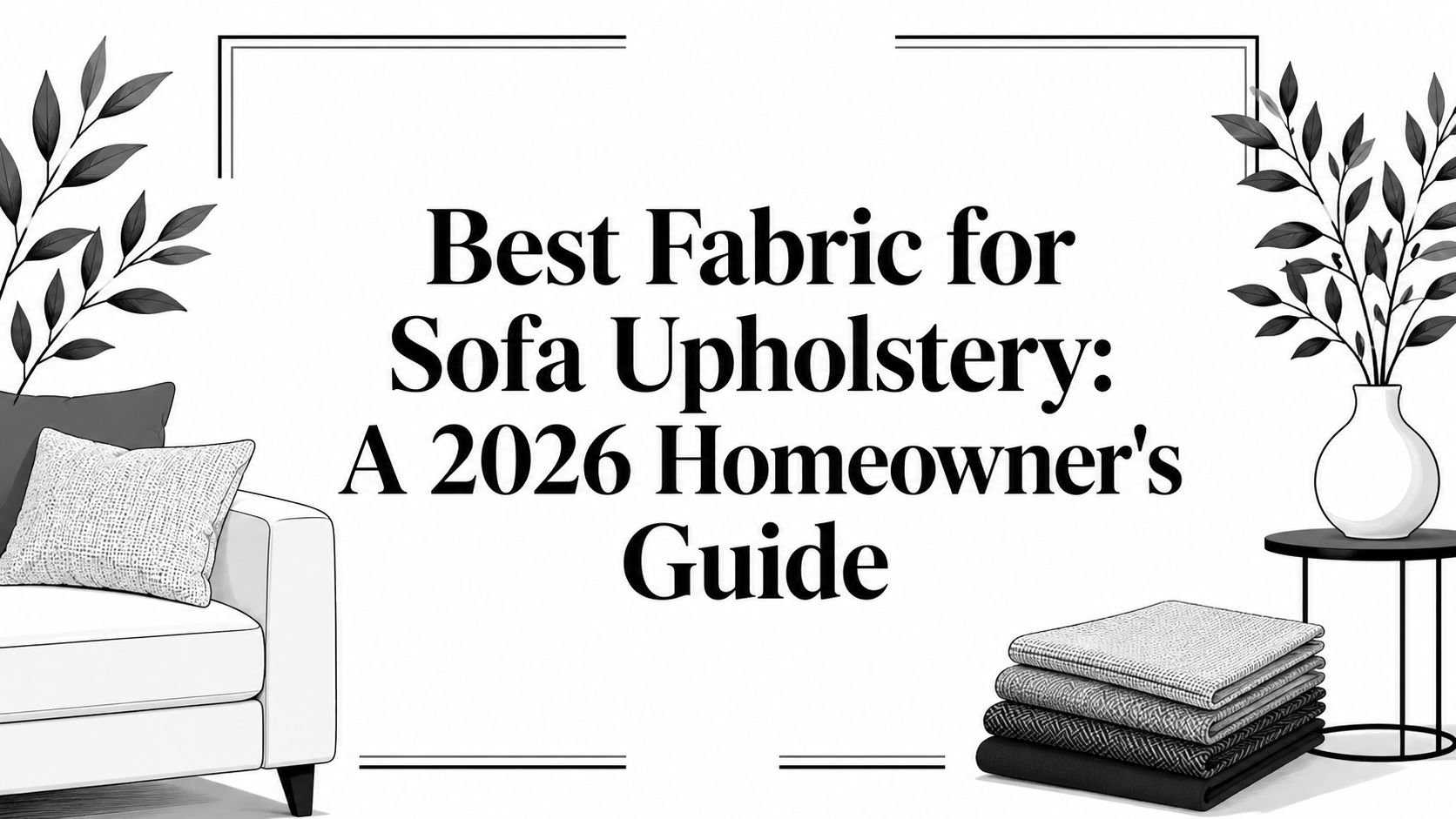
The search often starts the same way. A homeowner in Ann Arbor walks into a showroom, sees a wall of swatches, runs a hand across velvet, linen, and textured weaves, and then realizes that a sofa fabric has to do much more than look good under bright lights. It has to survive movie nights, coffee spills, pets cutting across the cushions, afternoon sun, and years of regular use.
That's where the decision gets tricky. The best fabric for sofa upholstery isn't the one with the prettiest color card. It's the one that fits the way a home lives.
Since 1957, Tyner Furniture has served Southeast Michigan as a local legacy business built around long-term value, craftsmanship, and practical design guidance. That matters because sofa shopping can feel overwhelming, especially when the goal isn't a quick purchase. The goal is a comfortable, durable, bespoke piece that earns its place in the home year after year.
Table of Contents
- Your Journey to the Perfect Sofa Starts Here
- Decoding Upholstery Durability Like an Expert
- The Classic Appeal of Natural Fibers
- The Unbeatable Practicality of Performance Fabrics
- Investing in an Heirloom The Case for Leather
- Matching Your Sofa Fabric to Your Real Life
- The Tyner Advantage Your Bespoke Sofa Awaits
Your Journey to the Perfect Sofa Starts Here
A sofa usually becomes the center of the room without asking permission. It's where guests land first, where families unwind, and where the house starts to feel settled. That's why fabric choice matters so much. One wrong decision can leave a beautiful frame covered in material that doesn't suit the life around it.
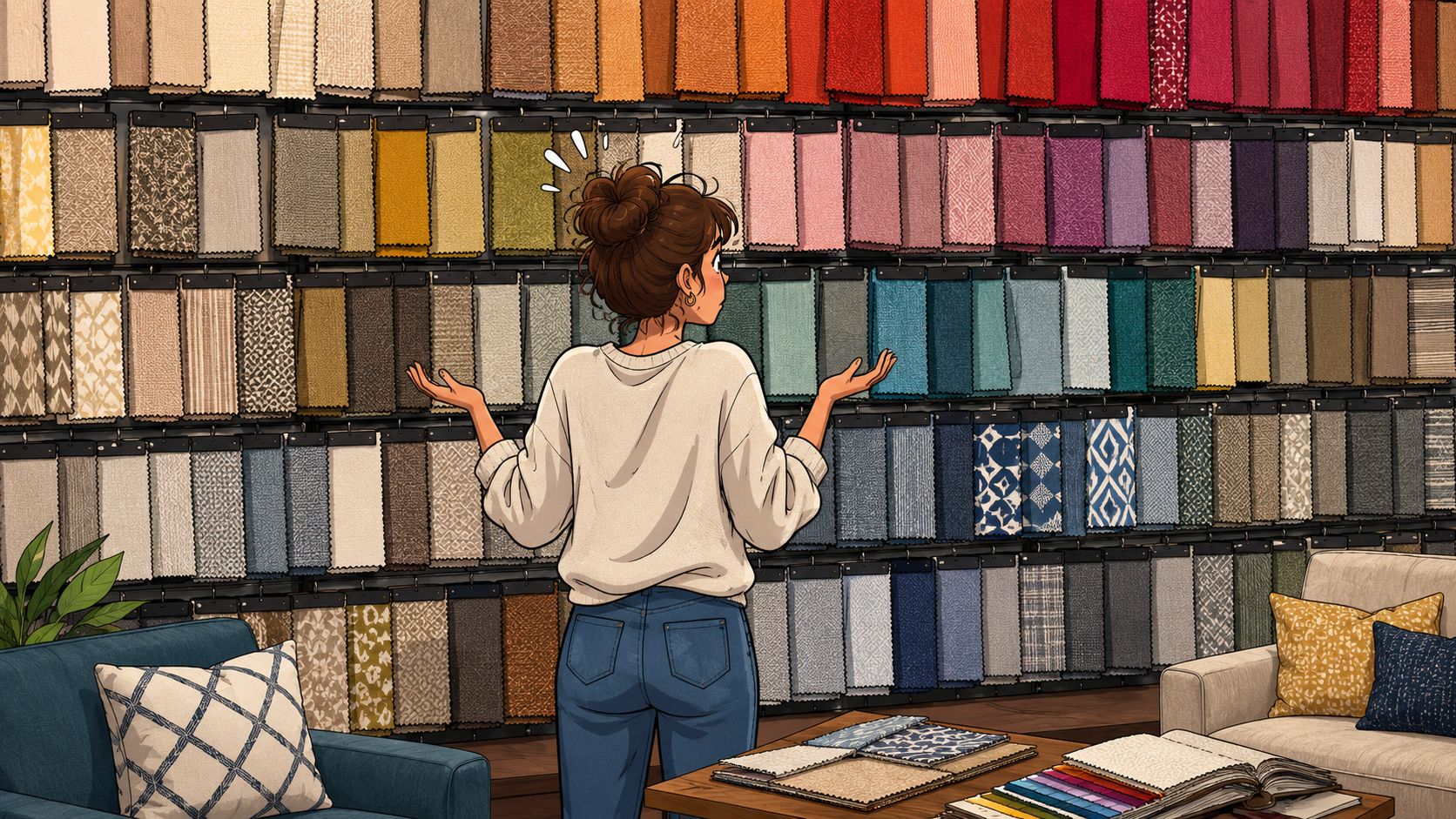
In Southeast Michigan, that choice often comes with extra layers. Muddy spring shoes, dry winter air, bright summer windows, and year-round entertaining all put a sofa through real use. A fabric that seems perfect in a photo may feel too delicate in a busy family room, while a practical fabric may surprise shoppers with how soft and tailored it can look in person.
A forever sofa should be chosen by lifestyle first, then by color and pattern.
That's the mindset that helps narrow the options. Instead of asking only, “Which fabric looks best?” it helps to ask a better question: “Which fabric will still feel like a smart investment years from now?” That's where cost-per-year starts to matter more than sticker price.
A good sofa isn't only about upholstery, either. Many households furnishing an entire home want continuity across spaces, from the living room to the home office and even outdoor spaces. In-stock pieces can be a starting point, but made-to-order options open the door to something more personal, especially for shoppers who want a bespoke look that feels perfectly suited to their room instead of borrowed from a catalog.
Decoding Upholstery Durability Like an Expert
A lot of shoppers assume durability is something they can judge by touch. Thick must mean strong. Soft must mean delicate. In upholstery, that guesswork doesn't always hold up.
Why durability matters more than first impressions
The most useful term to know is the double-rub count. It's one of the common ways upholstery durability gets screened before a sofa ever reaches a living room. Industry guidance says 15,000+ double rubs is ideal for heavily used furniture such as family-room sofas, while 9,000–15,000 is generally durable enough for less busy households.
That sounds technical, but its meaning is simple. It's a wear benchmark. The higher the number, the better the fabric is expected to tolerate repeated friction from people sitting down, shifting around, getting back up, and using the same spots day after day.
In practical terms, a retired couple furnishing a formal sitting room may be comfortable with a fabric in the lower durable range. A household with kids, pets, frequent guests, and one main sofa used every evening usually needs a tougher spec.
A simple way to read the spec sheet
When buyers start comparing swatches, this short checklist helps:
- Use first: Ask where the sofa will live. A formal room and a television room don't need the same upholstery.
- Traffic second: Homes with constant use often lean toward performance fabrics, leather, or polyester blends because they handle frequent friction and wear more gracefully.
- Looks third: A delicate weave may be attractive, but beauty doesn't erase maintenance.
For readers who want a broader foundation before comparing fibers, Tyner's own upholstery materials guide is a helpful place to continue.
Practical rule: The fabric on a sofa should be chosen the way flooring is chosen. It has to match how hard the room works.
Another point trips people up. Durability isn't just fiber content. Construction matters too. Two fabrics made from similar materials can behave very differently depending on weave, finish, and how tightly the surface is built. That's why experienced furniture shoppers don't stop at color. They ask what the fabric is made to do.
The Classic Appeal of Natural Fibers
Natural fibers have a pull that synthetic materials often spend years trying to imitate. They bring texture, softness, breathability, and a kind of visual ease that works beautifully in many interiors, especially homes aiming for warmth rather than polish.
Why natural fabrics still draw people in
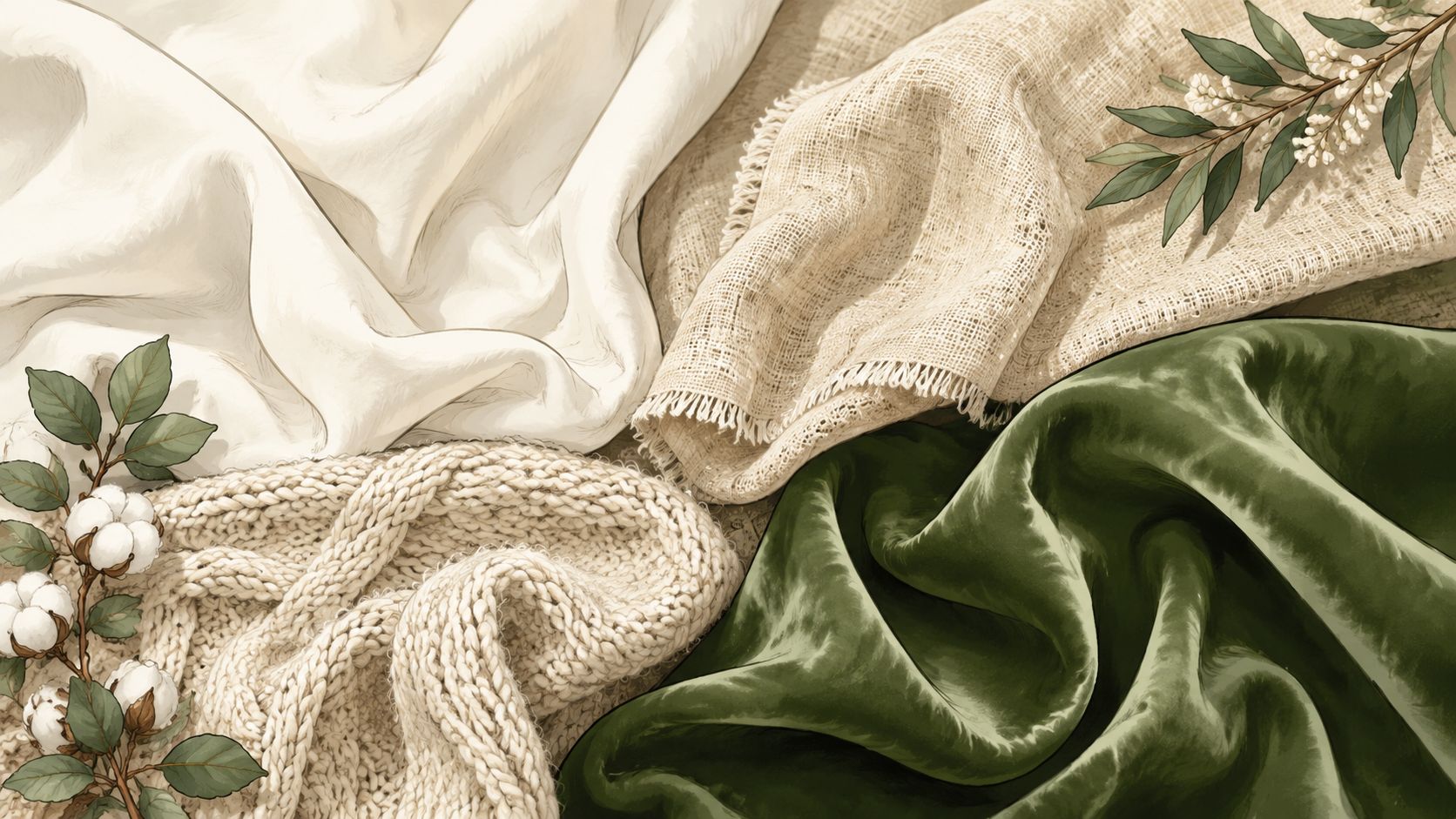
Linen has that cool, crisp hand that suits airy rooms and relaxed design. Cotton feels familiar and easy, which is part of its appeal. Velvet adds depth and a plush, almost cocooning softness that can make a sofa feel more formal or more dramatic depending on the color. Chenille leans cozy. Wool can feel grounded and substantial.
These fabrics often win on mood. They create the lived-in elegance many homeowners want when they're building a room that feels personal instead of generic.
A shopper trying to make sense of cotton-linen blends may find this guide to durable cotton linen labels useful for understanding what blend language can suggest about feel and use.
Where natural fibers ask for more care
Natural fibers also come with tradeoffs. Verified upholstery guidance notes that polyester and olefin are often favored as budget-friendly, durable, stain-resistant options, while natural fibers like cotton and linen tend to prioritize airflow and hand-feel over maximum resilience. That distinction matters because the best fabric for sofa upholstery isn't always the one that feels nicest for ten seconds in a showroom.
Here's where many households get caught off guard:
- Cotton: Soft and breathable, but often less forgiving when spills and daily abrasion become routine.
- Linen: Beautiful texture and a neat appearance, but it usually isn't the first choice for rough treatment.
- Velvet and chenille: Comfortable and rich in appearance, yet they generally benefit from more thoughtful use and maintenance.
- Wool: Warm and substantial, though still a material shoppers should match carefully to room use.
Natural fibers often shine in lower-stress rooms where touch, drape, and visual character matter more than spill defense.
For some homes, that's exactly the right choice. A formal sitting area, a reading nook, or a room where the sofa is used gently can be the perfect setting for these materials. In those spaces, comfort and aesthetic depth may outweigh the need for rugged practicality.
The Unbeatable Practicality of Performance Fabrics
There's a reason performance fabrics have become such a common recommendation for long-term upholstery. They solve everyday problems. They're built for friction, easier cleanup, and repeated use in a way many traditional fabrics are not.
Why synthetics often win in daily life
For active homes, one recommendation stands out clearly. A cleaning-focused upholstery guide says 100% polyester is the best long-term choice for most couches, especially where a sofa is used every day, because it tends to wear well, clean up better, and keep looking nice longer. The same guidance also places performance acrylic and polyester blends among the strongest mainstream choices for lasting upholstery.
That matters for cost-per-year. A fabric that resists staining, keeps its shape, and still looks neat after years of regular use often delivers stronger value than a fabric that needs extra care from day one.
Now, synthetic categories deserve a fair hearing. They aren't all stiff or overly slick. Many newer options have a hand that feels far more inviting than shoppers expect.
A household comparing options for pets or children may also find Tyner's kid-friendly and pet-friendly furniture guide useful when narrowing down upholstery priorities.
Performance and Synthetic Fabric Comparison
| Fabric Type | Best For | Durability | Stain Resistance | Feel |
|---|---|---|---|---|
| Polyester | Daily-use sofas, family rooms, rentals | Strong for regular household wear | Often a practical choice for cleanup | Can range from smooth to soft and textured |
| Acrylic blend | Bright rooms, active seating areas | Strong mainstream performance option | Commonly chosen for easy living | Often softer than expected |
| Olefin | Budget-conscious, casual use spaces | Durable for practical households | Known as a budget-friendly stain-resistant option | Usually more utility-focused |
| Nylon blend | Busy homes needing shape retention | Commonly chosen for resistance to wrinkling and crushing | Practical in active use | Often smooth and resilient |
| Performance polyester blend | Homes balancing comfort and hard use | Often built for abrasion resistance | Strong everyday choice | Available in many tailored finishes |
A few decision cues make this easier:
- For one main family sofa: Polyester is often the sensible front-runner.
- For sun exposure: Acrylic blends can make sense where color retention matters.
- For value-minded shoppers: Olefin can offer practical durability without chasing luxury texture.
- For mixed-use rooms: Blends often strike the best balance between softness and resilience.
The biggest misconception is that “synthetic” automatically means lesser quality. In upholstery, engineered fibers often provide the very qualities a long-term sofa needs most: consistency, cleanability, and resistance to common forms of wear.
Investing in an Heirloom The Case for Leather
Leather belongs in a category of its own. It isn't chosen only for utility, though it can be highly practical. It's chosen because it ages with the home.
Leather tells a different story over time
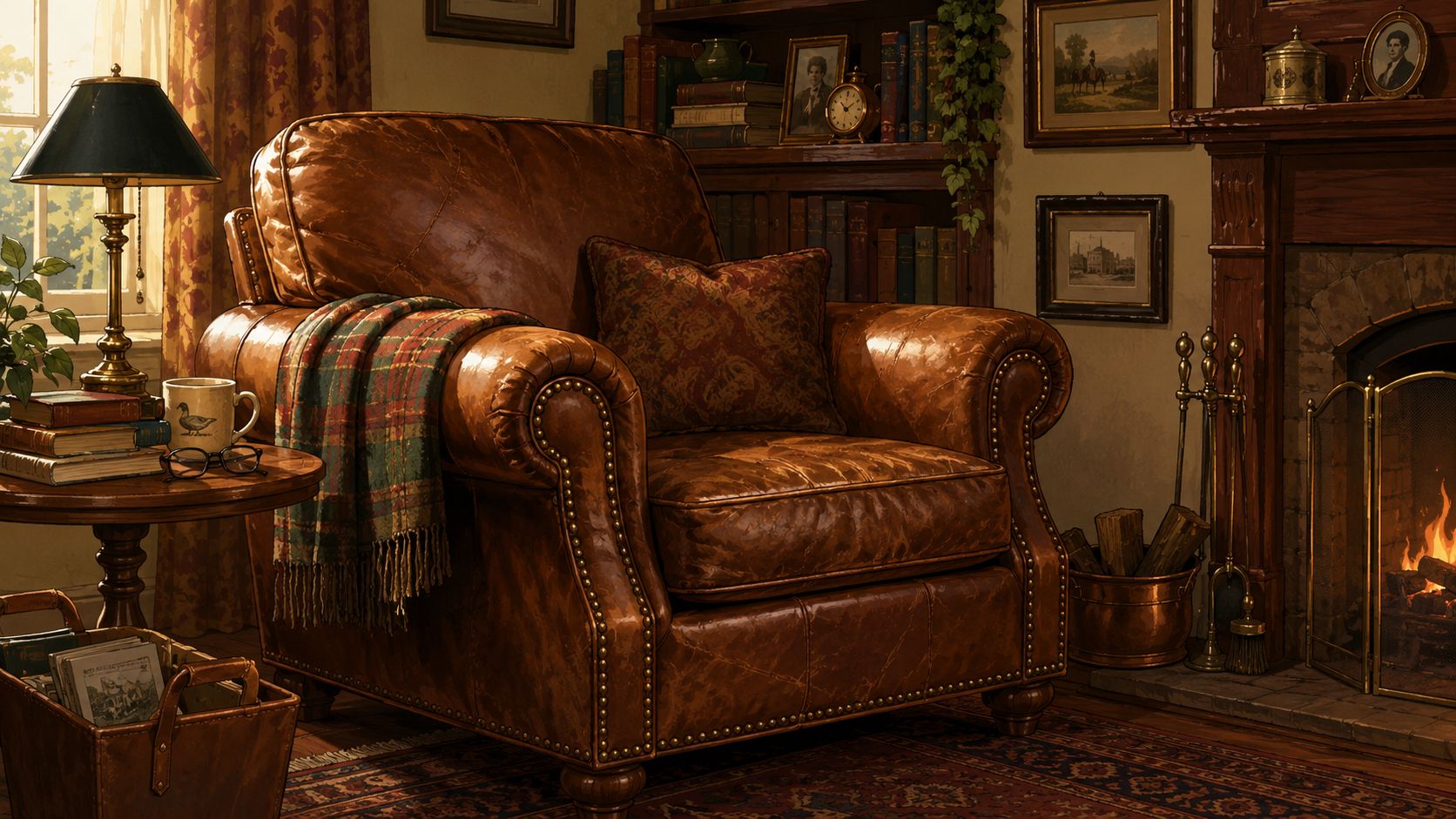
A well-made leather sofa changes gradually. The surface softens. The color deepens. The seat develops a rich patina that fabric can't quite replicate. For many homeowners, especially those furnishing a forever home, that evolution is part of the appeal.
There's also the tactile side. The buttery feel of top-grain leather, the slight pull as someone settles into the cushion, the warmth it adds to a room with wood, stone, or woven textures. It can make a space feel grounded and established.
Still, leather isn't automatically the right answer for every home. Upholstery guidance notes that performance polyester and acrylic blends are often the strongest technical choice in high-wear homes because synthetic fibers can be engineered for abrasion resistance, stain resistance, and UV stability better than many untreated natural fabrics. That's an important distinction. Leather is an heirloom choice. It isn't always the most forgiving technical spec for every room condition.
Understanding leather grades and finishes
Shoppers often hear leather terms without getting a clear explanation. A simple breakdown helps:
- Full-grain leather: Keeps more of the hide's natural character. Often chosen by buyers who want authenticity and visible variation.
- Top-grain leather: Refined for a smoother, more sleek appearance while still offering quality and comfort.
- Corrected leather: Surface-adjusted for a more uniform look, often appealing to shoppers who prefer consistency.
Finishes matter too. Aniline leather tends to show more natural beauty and variation. Pigmented leather usually offers a more protected finish and can be easier for some households to live with.
Anyone weighing these distinctions can continue with Tyner's top-grain leather vs bonded leather guide, which helps clarify what buyers are paying for.
Leather makes the most sense when a household wants longevity with character, not just a surface that looks exactly the same forever.
Matching Your Sofa Fabric to Your Real Life
The decision usually becomes clear. Most shoppers don't need the single “perfect” fabric in the abstract. They need the right fabric for one room, one household, and one pattern of use.
The high-traffic family room
A busy family room has one main job. It has to be easy to live with.
If the sofa handles after-school snacks, weekend naps, pets circling for a spot, and regular evening use, practical upholstery usually wins. Expert upholstery guidance emphasizes choosing fabrics by use case, and notes that soft options like chenille and velvet are prioritized for comfort, while polyester and nylon blends are recommended for resistance to wrinkling, crushing, and fading.
That points many active households toward:
- Performance polyester
- Polyester blends
- Nylon blends
- Some leather options, if the household likes the look and maintenance routine
These choices often offer the strongest cost-per-year value because they're designed to keep working without constant worry.
The formal room with strong sunlight
Some rooms don't get heavy body traffic, but they do get intense light. In those spaces, fading becomes the main concern.
A pale linen sofa can be beautiful in a sun-drenched space, but sunlight asks a lot of any upholstery. This is also where window treatments can affect fabric longevity. Homeowners planning a bright room may benefit from looking at practical light-control options such as solar shade ideas from Blinds Hut London Ontario when they're trying to protect upholstery from harsh daily exposure.
Color matching matters here too. A swatch that looks calm and warm in a showroom may turn much cooler beside a large south-facing window. Tyner's guide on avoiding color mismatch when ordering online can help buyers think through that part before a special order is placed.
The cozy den built for comfort
A den, media room, or conversation area sometimes calls for a different priority. Comfort leads. The room may benefit from a softer hand, deeper texture, or a cocooning feel that encourages long evenings on the sofa.
That doesn't automatically rule out performance fabrics. It means the shortlist can widen. In a lower-stress room, a household may choose:
- Chenille for softness
- Velvet for depth and atmosphere
- Textured polyester blends for comfort with easier upkeep
- Leather for a structured, library-like mood
The right answer usually comes from the room's hardest demand. Spills, sunlight, pets, or formality. One of those will lead the decision.
That lifestyle-first approach is what keeps a sofa from becoming a compromise. It also explains why there isn't one universal answer to the best fabric for sofa upholstery. There is only the best match for the way a room is used.
The Tyner Advantage Your Bespoke Sofa Awaits
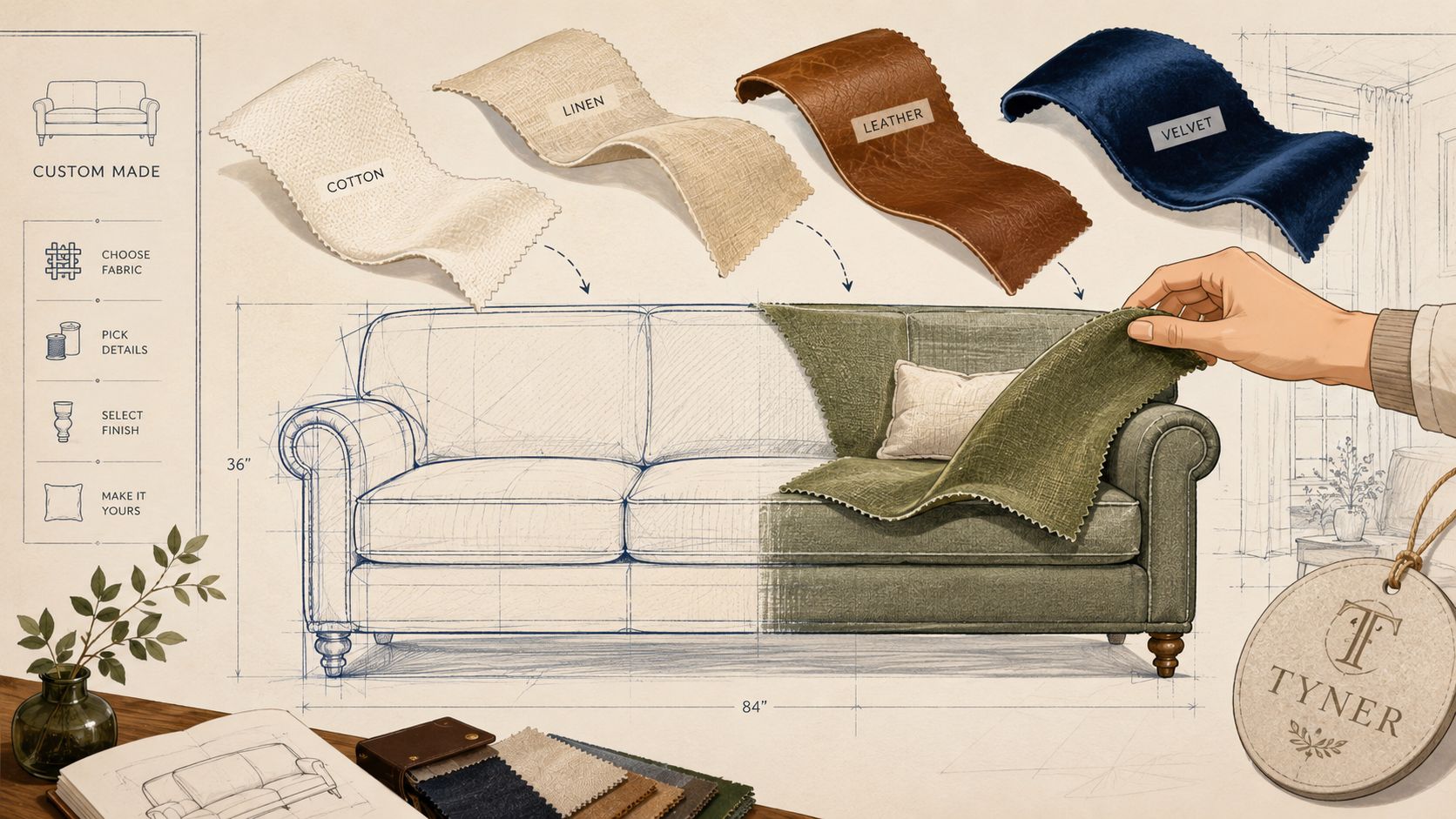
A swatch book doesn't feel overwhelming once the priorities are clear. At that point, fabric shopping becomes a process of confirmation. Which texture feels right. Which color settles into the room. Which upholstery earns its place for the long haul.
Why swatches matter before the order is placed
One upholstery spec stands out for practical maintenance. A solution-dyed performance fabric has color built into the fiber itself, which makes it more resistant to fading and compatible with stronger cleaning agents without color loss. That same guidance emphasizes that testing swatches at home is a critical step before purchase.
That advice matters because fabric doesn't live under showroom lighting. It lives under lamp light, daylight, cloudy-day Michigan light, and evening shadows. It sits beside flooring, paint, rugs, and wood finishes.
A local showroom still solves problems the internet cannot
For shoppers who want more than an in-stock starting point, custom upholstered sofas make it possible to tailor fabric, silhouette, and comfort to the room instead of settling for a close-enough option. Tyner Furniture offers that path alongside other made-to-order categories, including Canadel dining and Stressless ergonomic seating.
A visit to the South State St. showroom in Ann Arbor also gives buyers something a screen cannot. The sit test. The chance to compare a smooth performance weave against a soft chenille. The chance to feel the difference between a crisp structured seat and a deeper lounge cushion. The chance to check swatches in person before making an investment meant to last.
For many households, that's where confidence replaces guesswork. Special Financing can make a higher-quality piece easier to plan for over time, and the Low Price Promise helps keep long-term value part of the conversation.
A sofa should fit the home it lives in, not just the photo that sold it. To compare fabrics in person, test comfort, and explore bespoke upholstery options for a long-term investment, visit Tyner Furniture in Ann Arbor or browse the online Quick Specs for special orders before stopping by the South State St. showroom.